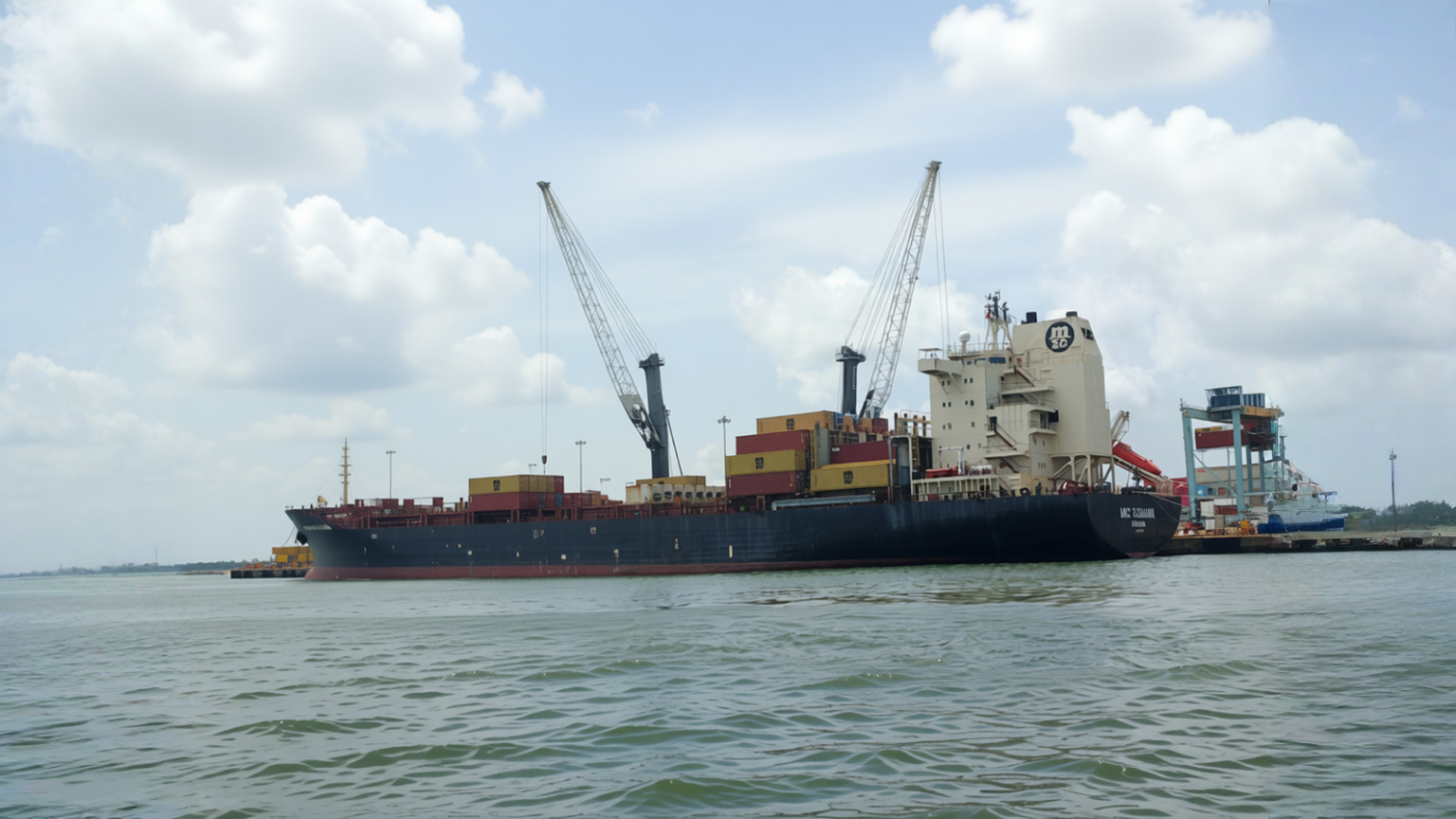
Iran has warned that it will not allow “a single litre of oil” to pass through the Strait of Hormuz for the benefit of the United States, Israel and their allies, escalating tensions in the Middle East and raising fears of a sharp spike in global oil prices.
Spokesperson for Tehran’s Khatam al-Anbiya military command headquarters, Ebrahim Zolfaqari, made the declaration yesterday, cautioning that crude oil prices could surge to as high as $200 per barrel.
The warning came a day after the United States threatened severe retaliation if Iran interfered with oil shipments through the strategic waterway.
“Let us firmly reiterate that we will never allow even a single litre of oil to pass through the Strait of Hormuz for the benefit of the U.S., the Zionists and their partners,” Zolfaqari said. “Any vessel or oil shipment intended for America, the Zionist regime or their hostile allies will be considered a legitimate target.”
He also accused the U.S. and Israel of attempting to manipulate global energy prices, insisting that rising tensions in the region would inevitably push oil prices higher.
“With the expansion of war in the region, you should prepare for $200 per barrel because oil prices depend on security in the region, and you are the source of insecurity,” he added.
Earlier, U.S. President Donald Trump had warned that “death, fire and fury” would be unleashed on Iran if it blocked oil shipments through the Strait of Hormuz.
Meanwhile, the African Democratic Congress (ADC) has urged the Federal Government to introduce a temporary cap on petrol prices to shield Nigerians from the impact of rising global oil costs.
In a statement by its National Publicity Secretary, Bolaji Abdullahi, the party noted that volatility in the international oil market, partly driven by the Middle East crisis, could worsen Nigeria’s cost-of-living challenges if urgent measures are not taken.
ADC also called for targeted relief measures for low-income Nigerians and criticised the Federal Government’s plan to distribute 100,000 Compressed Natural Gas (CNG) conversion kits. The party argued that the number represents less than one per cent of Nigeria’s more than 11 million vehicles and questioned the limited availability of CNG refuelling stations nationwide.
To cushion the impact of the crisis, the International Energy Agency (IEA) announced that its member countries would release 400 million barrels of oil from emergency reserves — the largest coordinated release in the agency’s history.
IEA Executive Director Fatih Birol said the move was aimed at stabilising the market and easing immediate supply disruptions.
“IEA countries have unanimously decided to launch the largest-ever release of emergency oil stocks in our agency’s history. A total of 400 million barrels will be made available,” Birol said.
The agency noted that the restoration of safe transit through the Strait of Hormuz remains critical for stabilising global oil and gas supplies.
The planned release surpasses the 182 million barrels of oil released by IEA members in 2022 following Russia’s invasion of Ukraine. The 32-member body said the emergency reserves would be released based on each country’s national circumstances and supported by additional emergency measures where necessary.

Featured
 News MasterUpdated 2 hours Ago2 Mins read
Iran Threatens to Block Hormuz Oil Flow, Warns Prices Could Hit $200 per Barrel
News MasterUpdated 2 hours Ago2 Mins read
Share


Related Articles
Featured
Boko Haram, ISWAP Set Up New Hideouts in Borno
Boko Haram and the Islamic State West Africa Province (ISWAP) have reportedly...

Featured
“Nigeria on Alert as Extreme Heat Threatens Multiple States”
Meteorological authorities in Nigeria have raised the alarm over soaring temperatures across...
Featured
Warri Journalists Challenge Delta NUJ Leadership, Demand Chairman’s Exit
A fresh dispute has erupted within the Delta State chapter of the...

Featured
Massive Aba Rally Demands Freedom for Nnamdi Kanu
Thousands of residents and activists gathered in Aba, Abia State, on Tuesday...




Leave a comment