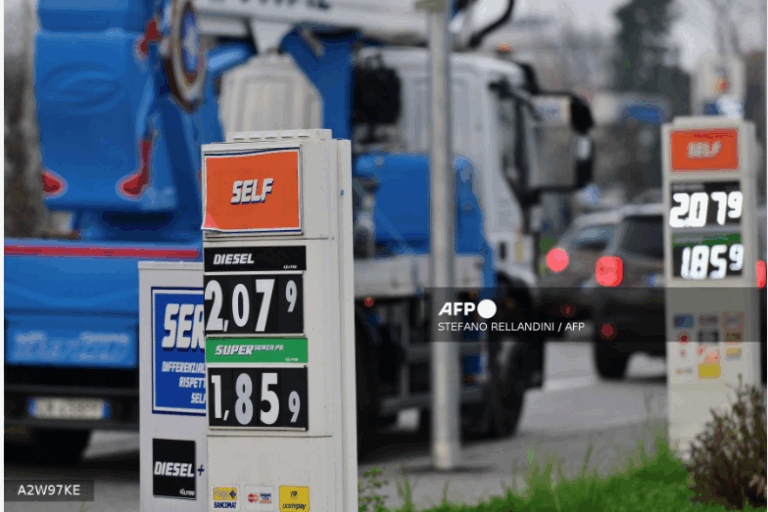
Oil markets took another sharp turn this week as crude prices climbed past $100 per barrel, marking renewed market volatility that investors and governments are watching closely. The climb comes amid a surge in geopolitical tensions across the Middle East, with regional attacks on shipping and energy infrastructure heightening fears of long‑term supply disruptions.
Despite a coordinated effort by major energy‑producing nations to release a record volume of oil from emergency stockpiles, traders remain wary. Analysts say that while the release — the largest ever organised by the International Energy Agency — was intended to calm markets, it has so far done little to ease concerns about ongoing disruptions to oil flows.
The unrest in and around the Strait of Hormuz, a critical shipping route through which a significant portion of the world’s crude passes, has led to several reported attacks on vessels and oil‑related facilities. These incidents are squeezing global supply and outweighing efforts to stabilise the market.
Investors are also watching broader economic indicators, as the oil surge has put upward pressure on inflation expectations. Major stock indexes in Asia and Europe have reacted negatively, with markets feeling the ripple effects of rising energy costs and uncertainty over how long the tensions might persist.
Economists warn that if the geopolitical strain continues without a clear de‑escalation, oil could remain at elevated levels for an extended period — potentially adding to inflationary pressures and complicating monetary policy decisions for central banks around the world.

Business
 News MasterUpdated 2 hours Ago1 Mins read
Market Jitters Grow as Oil Tops $100 Amid Shipping Disruptions
News MasterUpdated 2 hours Ago1 Mins read
Share




Related Articles

Business
Nigeria Customs Embarks on Tech‑Driven Overhaul to Eliminate Manual Cargo Inspections
The Nigeria Customs Service has announced a major shift toward digital cargo...

Business
Nigeria’s 2025 Debt Payments Leave Limited Funds for Trade and Imports
In a sign of mounting pressure on the nation’s finances, Nigeria directed...
Business
Wale Edun: FG to Expand CNG Programme Instead of Controlling Petrol Prices
The Federal Government has stated that it will not impose controls on...
Business
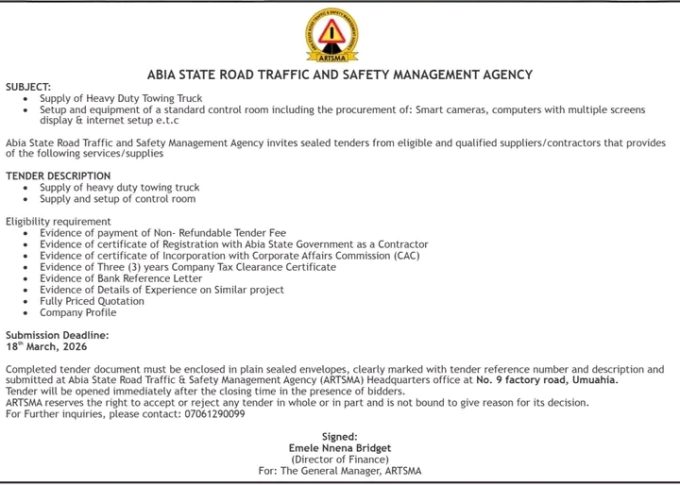
Abia Traffic Agency Seeks Contractors for Towing Truck, High-Tech Control Centre
The Abia State Road Traffic and Safety Management Agency has announced plans...




Leave a comment