In a sign of mounting pressure on the nation’s finances, Nigeria directed about $5.2 billion of its foreign exchange resources to servicing external loans in 2025 — a move that consumed more than 70 per cent of total international payments for the year.
The figures reveal that while total international outflows slightly declined from 2024 levels to roughly $7.22 billion, the proportion spent on external debt service climbed sharply. This shift means that nearly three‑quarters of Nigeria’s available foreign exchange for international transactions was used to meet debt obligations rather than fund trade or imports.
The pressure was most acute in months with larger loan repayments, especially in November 2025, when about $1.31 billion of the $1.49 billion in total foreign payments went to service loans. Other months saw variation, with significantly smaller sums paid out at certain times of the year.
Although early 2026 figures show a slight reduction in external debt service as a share of total payments compared with 2025, debt obligations continue to dominate Nigeria’s use of its foreign exchange reserves.
Analysts say this trend underscores deeper fiscal constraints, coming at a time when the government is also working to stabilise the naira, boost revenues, and expand productive sectors of the economy.

Business
 News MasterUpdated 2 hours Ago1 Mins read
Nigeria’s 2025 Debt Payments Leave Limited Funds for Trade and Imports
News MasterUpdated 2 hours Ago1 Mins read

Share





Related Articles

Business
Nigeria Customs Embarks on Tech‑Driven Overhaul to Eliminate Manual Cargo Inspections
The Nigeria Customs Service has announced a major shift toward digital cargo...
Business
Market Jitters Grow as Oil Tops $100 Amid Shipping Disruptions
Oil markets took another sharp turn this week as crude prices climbed...
Business
Wale Edun: FG to Expand CNG Programme Instead of Controlling Petrol Prices
The Federal Government has stated that it will not impose controls on...
Business
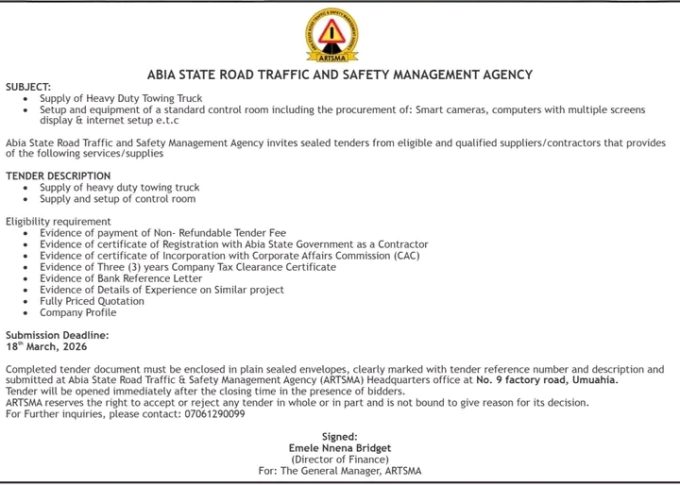
Abia Traffic Agency Seeks Contractors for Towing Truck, High-Tech Control Centre
The Abia State Road Traffic and Safety Management Agency has announced plans...




Leave a comment