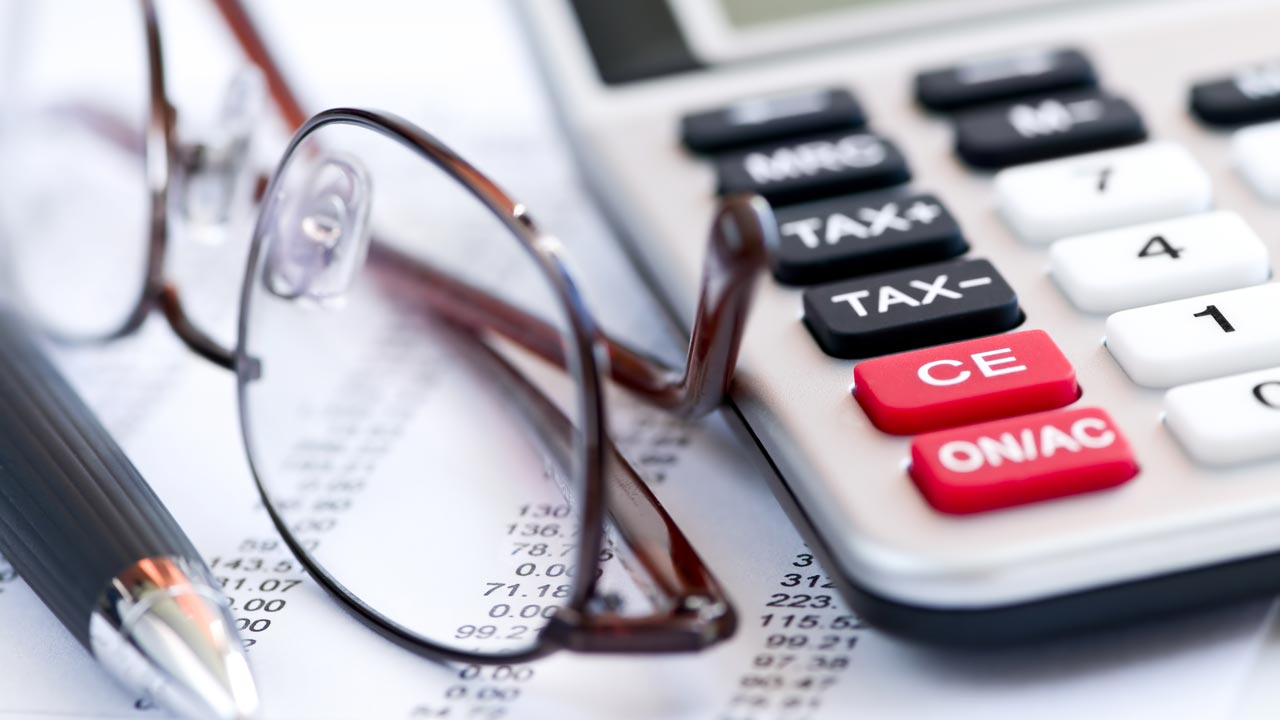
The Federal Government could generate up to ₦1 trillion annually from the proposed 30 per cent Capital Gains Tax (CGT) on share disposals, according to market projections obtained by The Guardian.
Based on 2024 trading data from the Nigerian Exchange (NGX), total share transactions valued at ₦2.8 trillion yielded an estimated capital gain of ₦956.2 billion, which would have generated ₦286.8 billion in tax revenue under the proposed rate. With trading volumes already hitting ₦4.19 trillion in the first half of 2025, experts predict the figure could double by year-end, potentially pushing annual tax earnings close to ₦1 trillion.
However, analysts and market operators have warned that the move could trigger short-term share dumping, slow market growth, and discourage long-term investment. The 30 per cent rate, they argue, makes Nigeria’s capital market the most heavily taxed in Africa, compared to Ghana’s 15 per cent, Morocco’s 10 per cent, and Kenya’s zero per cent.
President of the New Dimension Shareholders Association, Patrick Ajudua, cautioned that the policy could erode investor confidence and reduce market competitiveness. He described the lack of clarity on what qualifies as reinvestment under the law as a major flaw, noting it could lead to “unintended tax liabilities” for investors.
Independent investor Amaechi Egbo also faulted the potential retroactive application of the tax, saying it violates fairness and could penalise investors for gains made before the law takes effect.
Similarly, David Adonri, Vice President of Highcap Securities, described the 30 per cent CGT as a “market-unfriendly policy” that may undermine investor sentiment and dampen capital inflows. He stressed that sudden fiscal changes could cause capital flight and disrupt Nigeria’s fragile equities market.
Adonri urged the Federal Government to review the proposal, warning that while the tax could boost short-term revenue, it risks weakening Nigeria’s financial market, deterring both local and foreign investors, and stalling economic growth.
> “Sudden or harsh tax policies can unsettle markets,” he said. “Nigeria should be creating incentives for investment, not barriers.”

Business
 News MasterUpdated 5 months Ago1 Mins read
Government May Earn N1 Trillion Annually from New 30% Capital Gains Tax
News MasterUpdated 5 months Ago1 Mins read
Share






Related Articles
Business
Otti Woos Investors as Abia Hosts High-Level Business Roundtable to Drive Economic Growth
The Abia State Government on Thursday hosted the Abia Business Roundtable 2026,...

Business
Abia Authorities Shut Down Hotels and Water Factory Over Environmental Violations
The Abia State Environmental Protection Agency (ASEPA) has sealed several hotels and...

Business
Lagos to Host Police Applicant Screening Exercise from March 9
The Nigeria Police Force has announced that the next phase of its...

Business
Nigeria Customs Service to Sell Seized 14,375 Litres of Smuggled Fuel in Cross River
The Nigeria Customs Service (NCS) is set to auction 14,375 litres of...




Leave a comment