The World Bank has emphasized that expanding access to affordable and dependable electricity could be the game changer Africa needs to drive job creation, boost productivity, and lift millions out of poverty.
In a new blog post titled “Switching on Opportunity: How Electricity Can Transform Jobs in Africa,” the Bank observed that while energy innovation has powered global economic growth for over a century, Africa continues to lag behind—with nearly 600 million people still living without electricity.
According to the Bank, reliable and cost-effective power is essential for firms to scale operations efficiently. It noted that high electricity costs often hinder competitiveness, forcing many businesses to rely on manual labor instead of adopting energy-dependent technologies that improve productivity. The institution also warned that frequent blackouts have significantly slowed economic growth, reducing employment rates by an estimated 5 to 14 percentage points across the continent.
To bridge this gap, the World Bank announced it is channeling $30 billion through its International Development Association (IDA) over the next five years to support Mission 300—an ambitious initiative aimed at connecting 300 million Africans to electricity by 2030. The Bank added that African governments are complementing this effort by reforming their energy policies, expanding infrastructure, integrating regional power markets, and attracting private investments through National Energy Compacts.
Highlighting success stories, the Bank cited projects in Ethiopia, Tanzania, Senegal, and Sierra Leone that have already begun transforming lives and creating jobs. For instance, Ethiopia’s electrification project has connected over eight million people and thousands of schools and clinics, while Tanzania’s rural program has powered more than 16,000 small businesses. Similarly, Senegal’s Energy Access and Scale-Up Project targets thousands of enterprises, schools, and health facilities, while mini-grids in Sierra Leone are demonstrating the commercial viability of rural electrification.
“These efforts go beyond merely lighting homes—they’re energizing industries, empowering small businesses, and creating jobs at scale,” the World Bank stated. It added that powering Africa’s industries, health centers, and enterprises is crucial to developing a skilled workforce and achieving sustainable, inclusive growth across the continent.

Business
 News MasterUpdated 5 months Ago1 Mins read
World Bank: Reliable Electricity Key to Unlocking Africa’s Job Creation and Economic Transformation
News MasterUpdated 5 months Ago1 Mins read

Share





Related Articles

Business
Nigeria Customs Embarks on Tech‑Driven Overhaul to Eliminate Manual Cargo Inspections
The Nigeria Customs Service has announced a major shift toward digital cargo...

Business
Nigeria’s 2025 Debt Payments Leave Limited Funds for Trade and Imports
In a sign of mounting pressure on the nation’s finances, Nigeria directed...
Business
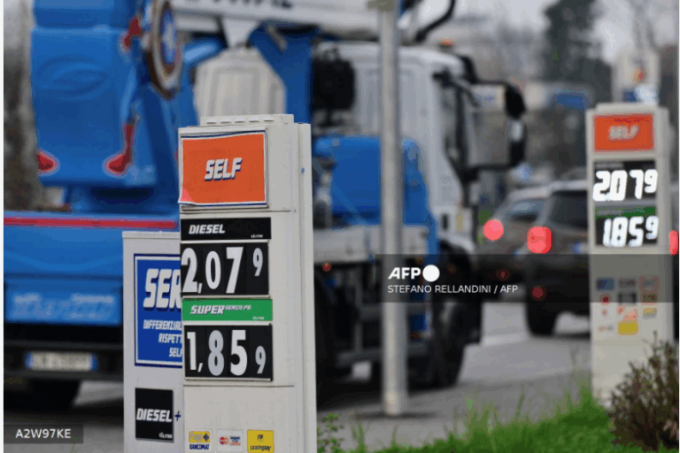
Market Jitters Grow as Oil Tops $100 Amid Shipping Disruptions
Oil markets took another sharp turn this week as crude prices climbed...
Business
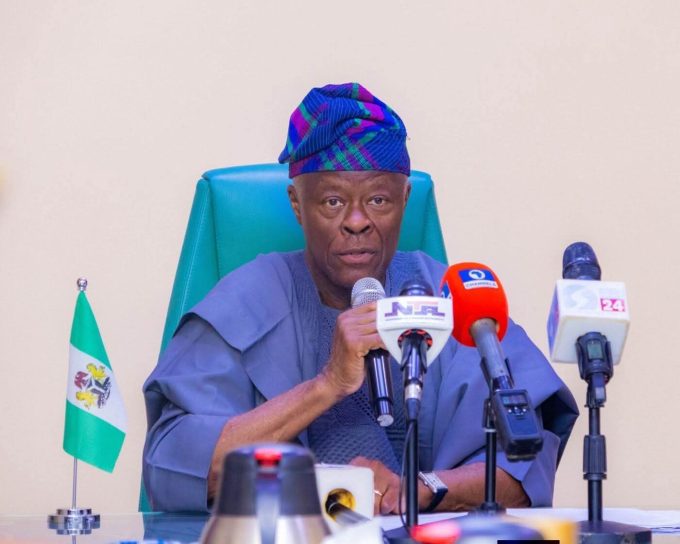
Wale Edun: FG to Expand CNG Programme Instead of Controlling Petrol Prices
The Federal Government has stated that it will not impose controls on...




Leave a comment