U.S. lawmakers have raised fresh concerns over Nigeria’s escalating insecurity, questioning the Federal Government’s commitment and capability to protect Christian communities and other victims of extremist attacks.
At a tense congressional hearing in Washington, legislators demanded stronger accountability, deeper U.S. engagement and urgent action to prevent further mass killings. The session comes as the U.S. House reviews Nigeria’s redesignation as a Country of Particular Concern (CPC) over religious freedom violations.
Huizenga Accuses Tinubu Government of Inaction
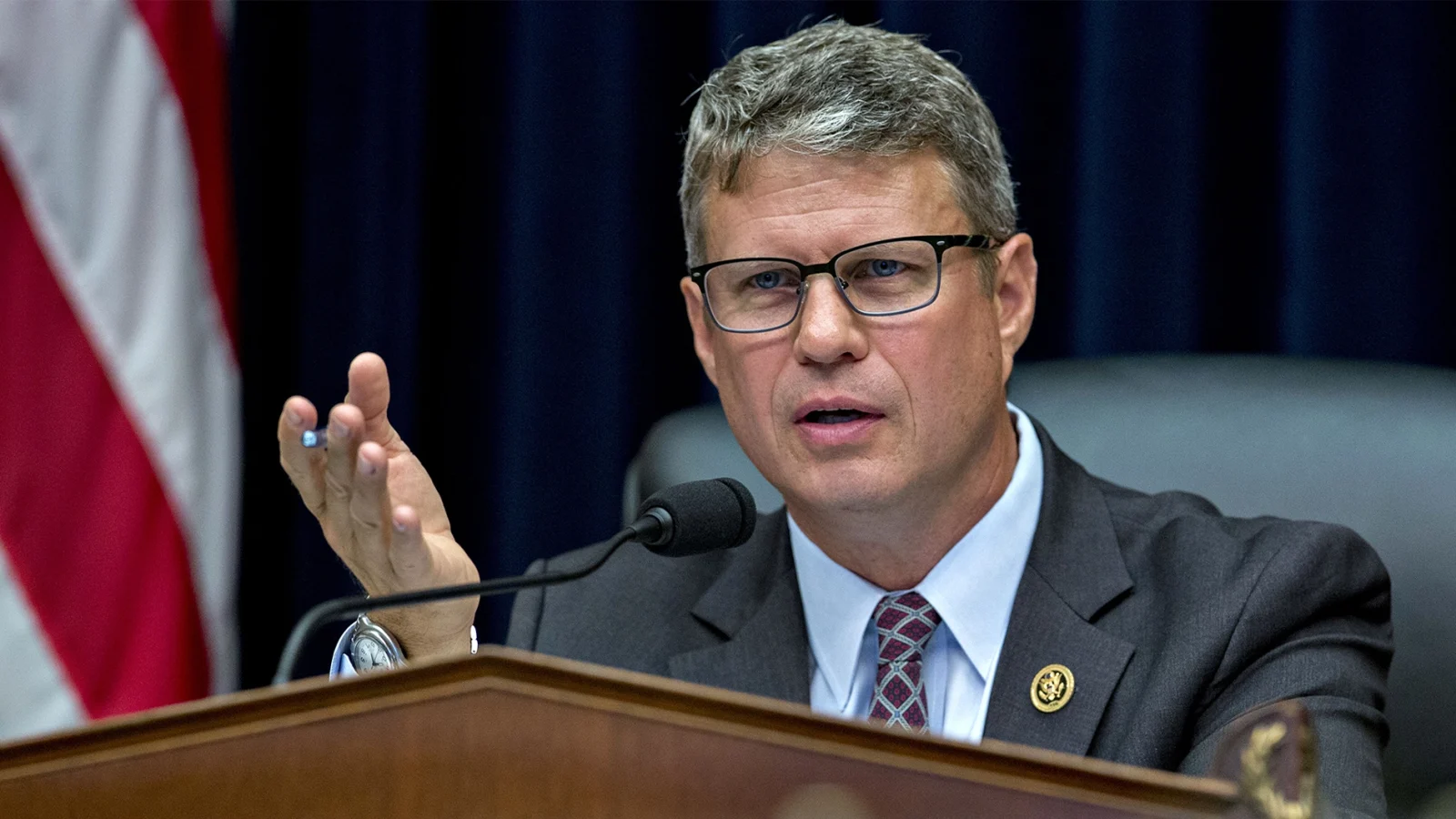
Congressman Bill Huizenga criticised President Bola Ahmed Tinubu’s administration for “sitting back” while violence persists, accusing Nigerian officials of downplaying the crisis during meetings in Washington.
“It should be outrageous that Christians, moderate Muslims and others are being terrorised while the Tinubu government does not do enough,” he said, recalling a 2023 Christmas Eve attack that left more than 200 people dead.
Calls for Rethink of U.S. Aid Strategy
Representative Andy Olszewski urged a deeper assessment of Nigeria’s ability to protect Christian communities, arguing that even if capacity is limited, leaders must still be held accountable.
He pressed U.S. officials to review America’s strategy in Nigeria, urging long-term institutional support instead of threats of sanctions or military options.
Responding, U.S. Ambassador Jonathan Pratt described Nigeria’s security crisis as “very serious”, noting that Washington wants stronger Nigerian focus and commitment, not just assistance.
Olszewski also raised concerns over the suspension of a State Department-funded youth peacebuilding programme in the Northeast, questioning why it was not granted an extension.
Moore Warns of Rising Targeted Killings
Representative Barry Moore said testimonies from religious leaders and local communities show a clear pattern of targeted attacks against Christians. He criticised Abuja for not disarming heavily armed militant groups, including some linked to Fulani networks, despite Nigeria’s ban on civilian firearms.
Moore urged authorities to review the case of Sunday Jackson, who faces the death penalty after allegedly killing an armed militant in self-defence.
Lawmakers Warn Against Oversimplification
Congresswoman Pramila Jayapal cautioned against framing Nigeria’s violence solely as Christian persecution, noting that multiple groups are affected. Another lawmaker, Riley Moore, said many Nigerians have lost trust in government due to inadequate response to repeated attacks.
The Nigerian government has rejected the claims. President Tinubu insisted that Nigeria remains a democracy committed to religious freedom and argued that portrayals of systematic persecution are inaccurate.
Coalitions Urge National Assembly to Address Violations
Meanwhile, the Global Coalition for Freedom of Religion in Nigeria (GCFRN) urged the National Assembly to suspend plans to send a delegation to the U.S., saying lawmakers should “fix the problems at home first”.
The group, alongside diaspora and Christian organisations, called for thorough investigations into alleged religious freedom violations, citing systemic discrimination, unresolved mass abductions, destruction of churches and targeted killings in northern states.
Advocacy groups also urged the UN and International Criminal Court (ICC) to launch independent investigations into alleged genocidal attacks in the Middle Belt.
Congresswoman Condemns Trump’s Military Threat
Congresswoman Sara Jacobs criticised former President Donald Trump’s reported threat of military action against Nigeria, describing it as “reckless” and illegal.
She warned against reducing Nigeria’s complex security crisis to a purely religious conflict, explaining that both Christians and Muslims are victims.

National
 News MasterUpdated 3 months Ago2 Mins read
U.S. Lawmakers Question Nigeria’s Will and Capacity to Tackle Worsening Violence
News MasterUpdated 3 months Ago2 Mins read
Share



Related Articles
National
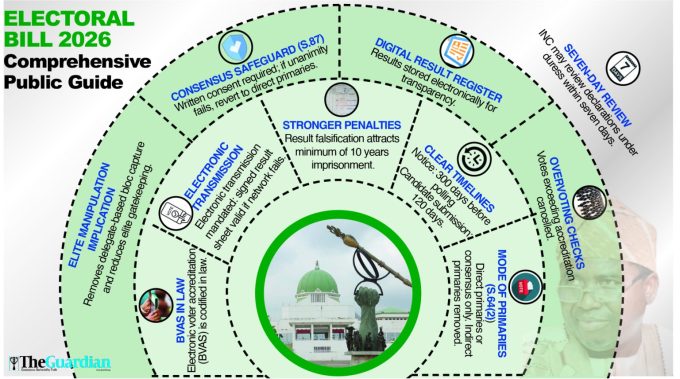
2027 Electoral Battle Shifts to INEC as Tinubu Signs Amended Electoral Act
Abuja – President Bola Tinubu’s signing of the Electoral Act (Amendment) Bill...
National
NBA Denies Alleged $2,000 Payments to SANs in Maiduguri
The Nigerian Bar Association (NBA) has refuted claims that $2,000 was given...
National
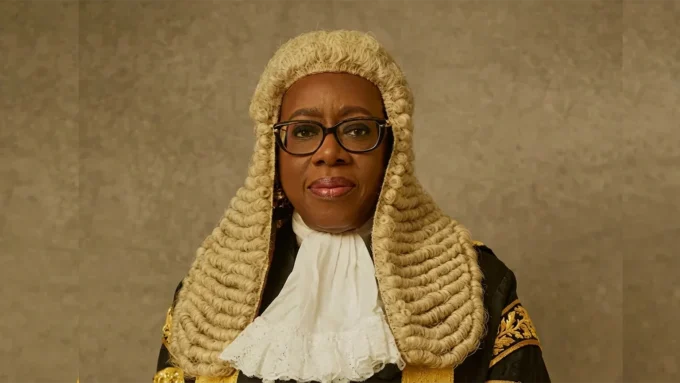
CJN Warns New Judges on Economic and Governance Implications of Their Decisions
Abuja – Chief Justice of Nigeria (CJN), Justice Kudirat Olatokunbo Kekere-Ekun, has...
National
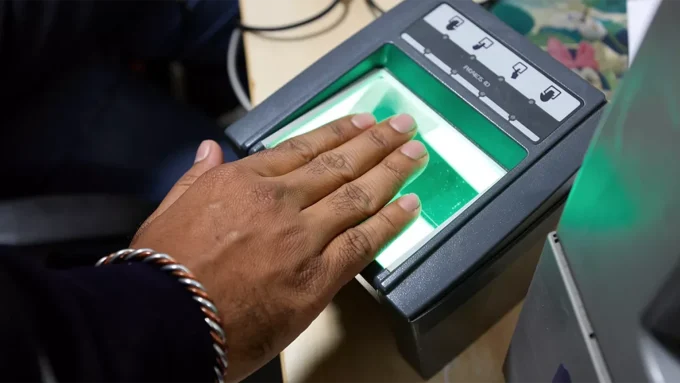
Telcos Reject Claims Nigeria Can’t Handle E-Transmission of Election Results
As debates continue over the electronic transmission of election results ahead of...



Leave a comment