
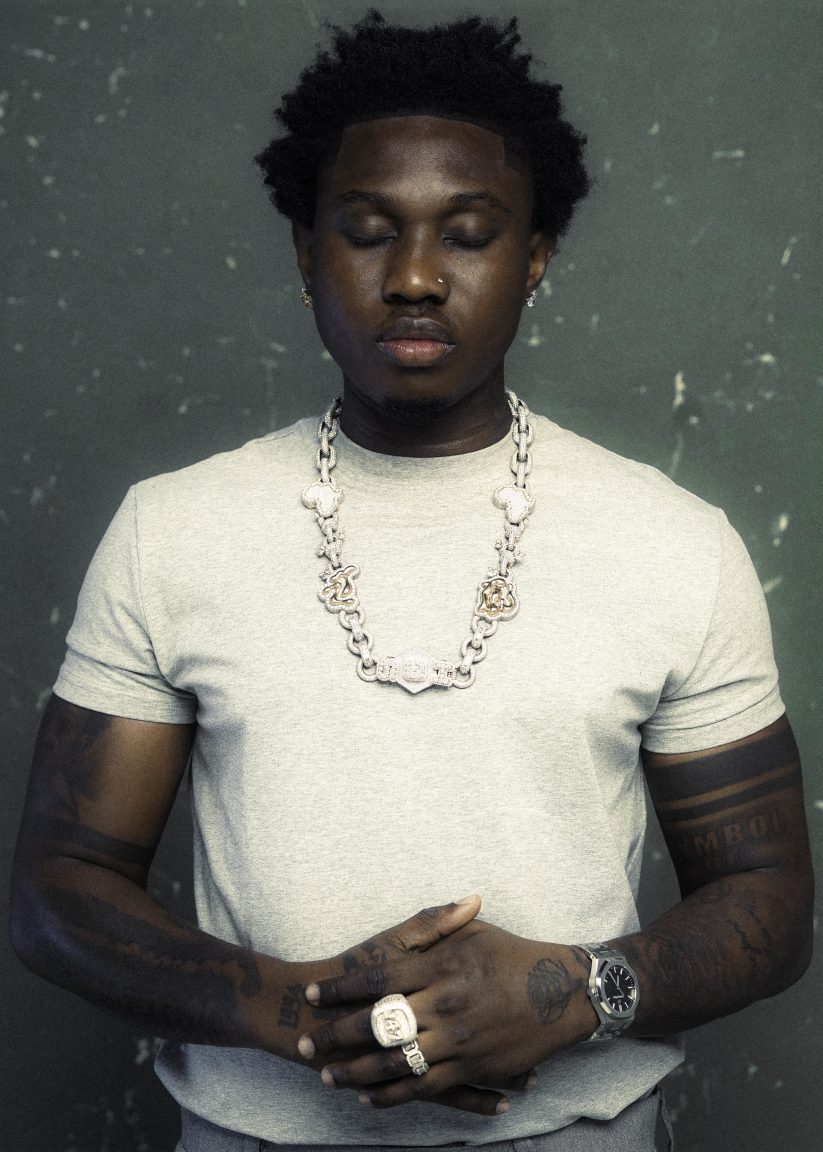
After a decade marked by grit, viral dance trends, hit records and cultural reinvention, Zlatan Ibile has transformed from a little-known campus talent into one of Afrobeats’ most powerful symbols of resilience. Now, with his new album Symbol of Hope, the rapper confronts his scars, celebrates his wins and reaffirms the legacy he is building for the streets that raised him.
Zlatan’s journey began 11 years ago at Moshood Abiola Polytechnic in Ogun State, where a young, unsure Temidayo Israel almost skipped a campus talent show due to anxiety and self-doubt. He eventually took the stage, blending freestyle dance with rapid-fire bars, and walked away as the winner of the 2014 Airtel One Mic competition, emerging from a pool of 140 contestants and driving home a brand-new car.
Raised between Lagos and Ogun, Zlatan’s ascent was shaped by street-hop culture, fierce flows and vivid storytelling. Initially aspiring to be a professional footballer, his victory at the talent show redirected his destiny entirely, setting him on the path to mainstream recognition.
His breakout moment came in 2017 with My Body, a collaboration with Olamide, followed by the viral sensation Able God in 2018. But it was his 2019 debut album Zanku that catapulted him to national fame. The project delivered anthems like Gbeku featuring Burna Boy, Yeye Boyfriend, and, most notably, “Zanku,” the record that introduced the globally popular legwork dance, inspired by the phrase “Zlatan Abeg No Kill Us.” His feature on Burna Boy’s Killing Dem cemented his place as one of the defining forces of modern Afrobeats.
After releasing his 2021 album Resan and 2023 EP Omo Ologo, the 30-year-old rapper and label boss returns with Symbol of Hope, a 15-track project that pays homage to his early struggles and celebrates his longevity.
The album mirrors Zlatan’s evolution, his growth as an artist, father and entrepreneur. Since 2020, fatherhood has mellowed him. His label, Zanku Records, continues to grow, and his streetwear brand ZTTW has expanded from a 2017 online pop-up to a thriving fashion business. At its core, Symbol of Hope is dedicated to anyone striving to rise above hardship.
Speaking in his Lekki studio, Zlatan discusses his rise, his cultural influence, the inspiration behind the album, and the personal battles many fans never knew he fought.
On the meaning of Symbol of Hope, he explains:
“It means I can grow and do better. Where I grew up, life was tough, people struggled to eat three times a day. I want everyone listening to my music to feel hopeful. Even though my life is better now, I still want more, and someone out there wants to be like me. That spirit inspired this album.”
Zlatan has publicly addressed his struggles with anxiety, revealing that staying relevant in the industry is often harder than achieving the first hit.
“When My Body dropped, everything changed. But the pressure was real. People said street artists never last. That pressure brought anxiety, panic attacks, overworking, even drinking. I had no structure, no label, just Olamide and later Davido supporting me.”
Davido’s support was pivotal.
“He paid for my first professional video. That period was crazy. I recorded Killing Dem, my life was moving too fast. When I took a three-month break, people tweeted that my time was over. Then Cash App dropped and everything balanced.”
Zlatan also shared the story behind his famous catchphrase Kapaichumaruchupako (a joke he says only people from the imaginary “Casablanca de Katamatofia” would understand).
He also explained how he created dance trends like Zanku and Gbeku, revealing that his earlier dance, Kuzu, even inspired Olamide’s Shakiti Bobo, a moment he says motivated rather than discouraged him.
Known for giving emerging artists their big break, Zlatan says collaboration is a principle he lives by:
“People helped me. From someone buying the SIM card for the Airtel competition form to others taking me to studios. I’ll always support rising artists doing something good.”
On why he ventured into fashion, he recalls difficult early years:
“Clothes showed me shege. Even after I won my car, I had only one shirt. I used the car as a taxi at night from Abeokuta to Sagamu. Eventually, I sold it, but thank God it wasn’t my last car.”
Fatherhood, he says, completely transformed him:
“I was 25, still wild. But once my son came, everything changed. I wanted him to have someone he could look up to.”
In a rare revelation, Zlatan shared one thing he says fans do not know:
“I actually stopped smoking four years ago. People think I still do because my friends smoke in videos, but I quit and never went back.”
When asked what he would be doing without music, he answers without hesitation:
“I’d be thinking of ways to make more money.”
Looking ahead, Zlatan says his mission is simple:
“I want to keep inspiring people, make money, don’t give up, keep pushing. I’m not where I want to be yet, but I’m grateful. Now I make music with peace of mind, no pressure.”

Share

Related Articles
Celebrations
Tinubu Celebrates Florence Ita Giwa at 80, Anyim Pius Anyim at 65
President Bola Tinubu has congratulated former Senator Florence Ita Giwa on her...
Celebrations
Osinbajo Applauds Otti’s Transformational Leadership, Says He Has Made Public Service Worthwhile
Former Vice President of Nigeria, Prof. Yemi Osinbajo, has commended Abia State...
Celebrations
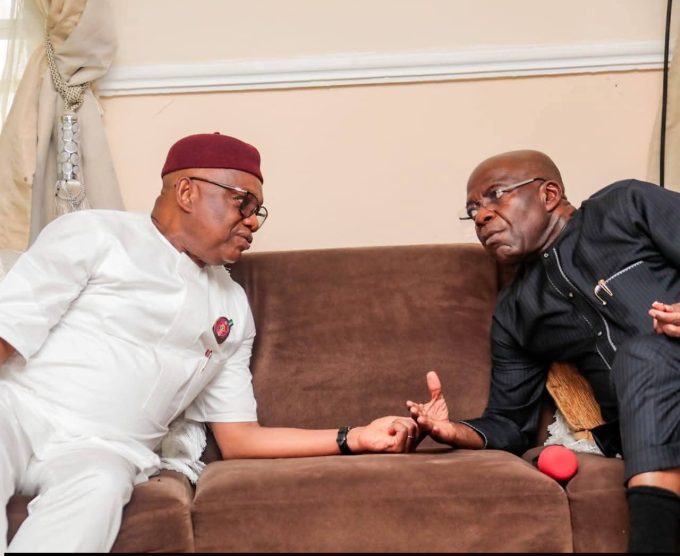
Orji Uzor Kalu Sends Warm Wishes, Special Prayers to Gov. Alex Otti at 61
The senator representing Abia North has congratulated the Abia State governor on...
Celebrations
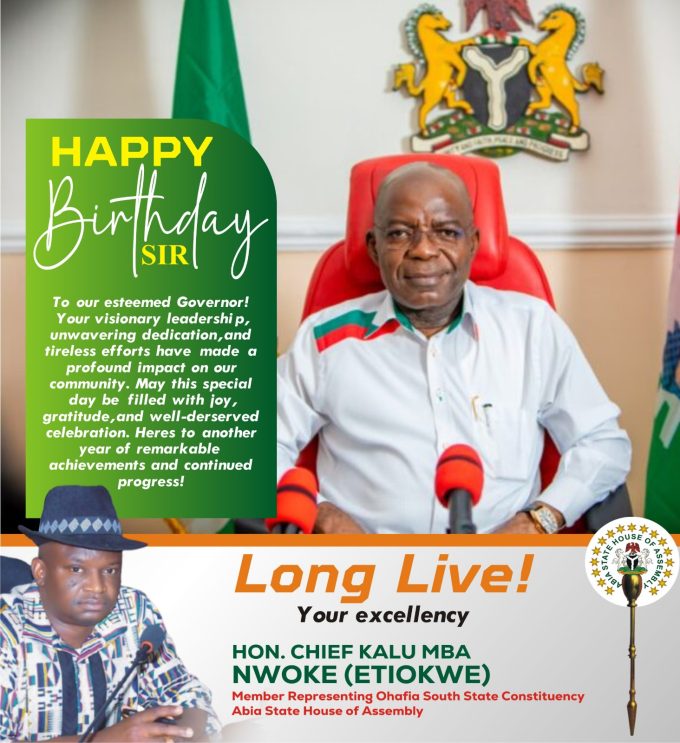
Hon. Kalu Mba Felicitates Gov. Otti on Birthday, Praises Leadership
The Member representing Ohafia South State Constituency in the Abia State House...


Leave a comment