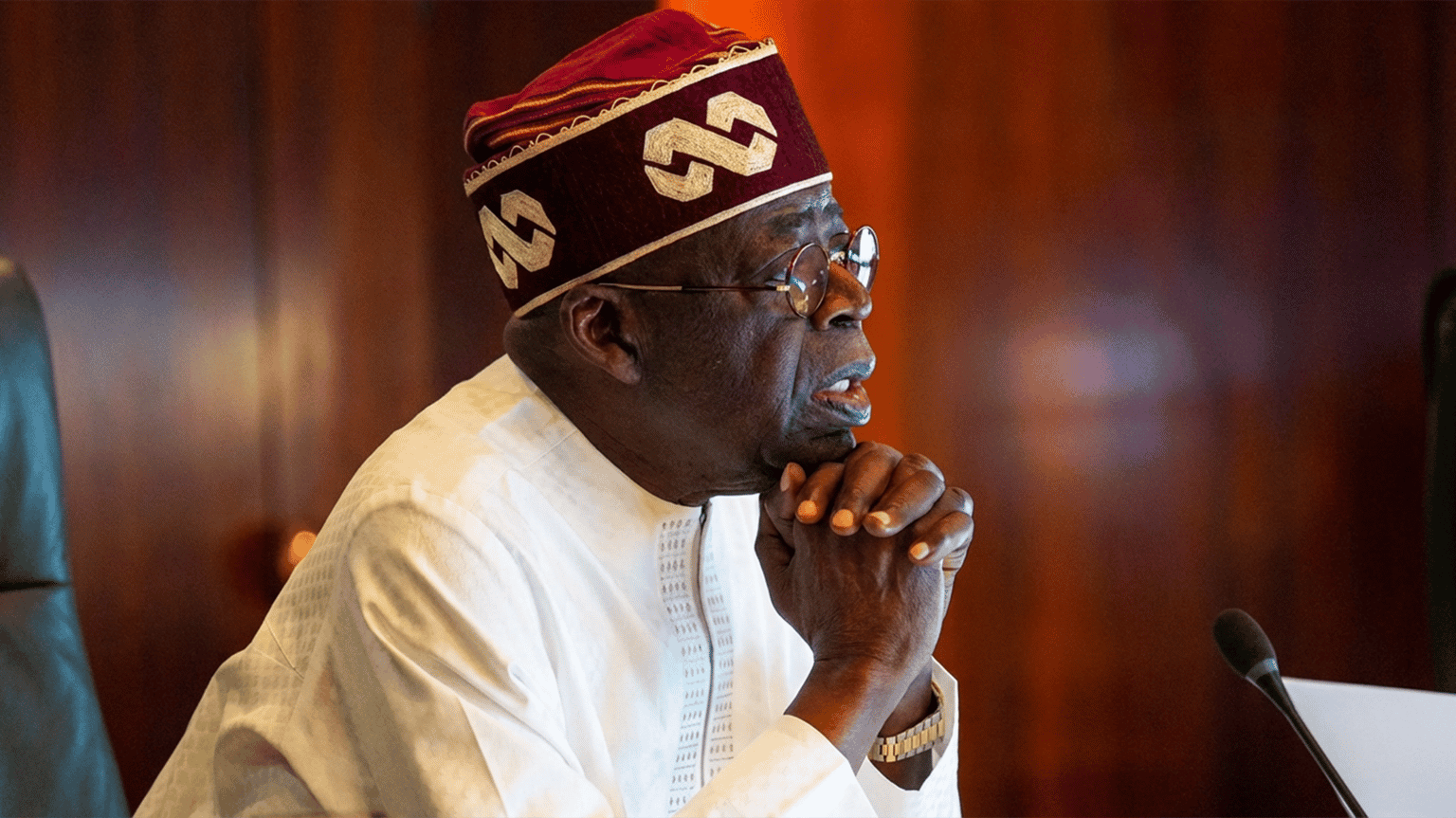
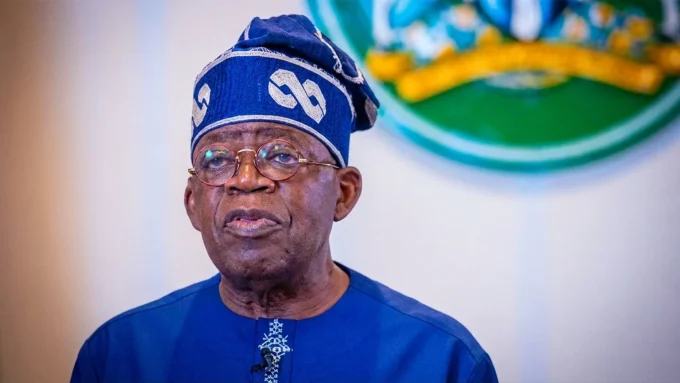
President Bola Ahmed Tinubu has forwarded the Appropriation (Repeal and Re-enactment) Bill II, 2024–2025, to the House of Representatives, seeking legislative approval for a ₦43.56 trillion budget to cover the 2024–2025 fiscal period.
The bill, transmitted on Wednesday in line with constitutional and legislative appropriation procedures, authorises the withdrawal of ₦43,561,041,744,507 from the Consolidated Revenue Fund of the Federation for the year ending December 31, 2025.
Reading the President’s letter during plenary, Deputy Speaker Benjamin Kalu outlined the proposed allocation: ₦1.74 trillion for statutory transfers, ₦8.27 trillion for debt servicing, ₦8.11 trillion for recurrent (non-debt) expenditure, and ₦22.28 trillion for capital expenditure and development fund contributions.
Nigeria’s long-standing practice of implementing multiple budgets simultaneously, largely due to repeated extensions of capital components of previous budgets, has remained a major fiscal concern. Successive governments, often with National Assembly backing, have justified the extensions as necessary to complete ongoing projects.
Under the current administration, the National Assembly has approved overlapping budgets. In 2024 alone, Nigeria operated three budgets: the ₦21.8 trillion 2023 budget, the ₦2.17 trillion 2023 supplementary budget, and the ₦28.7 trillion 2024 appropriation. Although the first two were passed under the administration of late President Muhammadu Buhari, President Tinubu extended their capital components first to June and later to December 2024, even as the 2024 budget was already being implemented.
The trend continued in 2025, when the capital component of the 2024 budget, originally expected to expire in December 2024, was extended twice—first to June 2025 and then to December 2025. As a result, the country is currently running two budgets concurrently: the extended 2024 budget and the 2025 budget of about ₦54.2 trillion, which lawmakers increased by ₦7 billion above the President’s initial proposal.
In his letter, President Tinubu said the proposed legislation is intended to end the practice of operating multiple budgets at the same time, a situation he noted has complicated fiscal planning and slowed capital project delivery. He said the bill is designed to drive significantly higher performance levels in the implementation of the 2024 and 2025 capital budgets, signalling a shift towards a more capital-intensive spending framework.
The President also explained that the bill provides a transparent and constitutionally grounded mechanism for consolidating and appropriating critical, time-sensitive expenditures undertaken in response to emergency situations. These include spending related to national security, public welfare and other urgent needs, while ensuring such expenditures receive proper legislative approval and adhere to fiscal discipline.
According to Tinubu, the bill strengthens accountability by mandating that appropriated funds are released and applied strictly for the purposes specified, and that any alteration to approved expenditures through virement must receive prior approval from the National Assembly.
He added that the legislation sets clear conditions for corrigenda to correct genuine errors, requires separate recording of excess revenue, limits its expenditure to legislative approval, and mandates periodic reporting on fund releases and revenue generation by government agencies.
The President urged the House of Representatives to consider and pass the bill expeditiously.

National
 News MasterUpdated 2 months Ago2 Mins read
Tinubu moves to end multiple budgets, seeks NASS approval for ₦43.56trn spending plan
News MasterUpdated 2 months Ago2 Mins read
Share



Related Articles

National
FG Launches “Nigeria Beyond Oil and Gas” Alliance to Drive Economic Diversification
The Federal Government has unveiled the Nigeria Beyond Oil and Gas Alliance...
National
Tinubu Commissions Projects in Adamawa, Urges Governors to Prioritize Citizens’ Welfare
President Bola Tinubu on Monday urged state governors to prioritize the welfare...
National
Real-Time Result Transmission Non-Negotiable for Credible 2027 Polls – Ezekwesili
Former Minister of Education and founder of the FixPolitics Initiative, Obiageli Ezekwesili,...
National
NASS Approves N1.504tr 2026 Budget for Nigerian Army
A joint committee of the National Assembly has expressed satisfaction with the...



Leave a comment