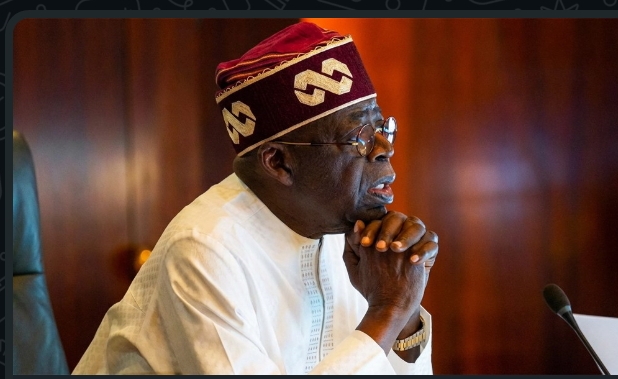
President Bola Ahmed Tinubu has formally requested the National Assembly’s approval to extend the 2025 budget to March 31, 2026, in a bid to ensure the full release of the 30 per cent capital allocation to all ministries, departments, and agencies (MDAs).
In a letter dated December 18, 2025, read by Speaker of the House of Representatives, Tajudeen Abbas, the President transmitted the Appropriation (Repeal and Re-Enactment) Bills for both 2024 and 2025. The Bills propose repealing the existing Appropriation Acts and re-enacting revised expenditure plans that reflect current fiscal realities and government execution capacities.
Under the revised framework, the 2024 budget of N35.06 trillion would be replaced with N43.56 trillion, while the 2025 budget of N54.99 trillion would be re-enacted at N48.32 trillion. The revised figures cover statutory transfers, debt service, recurrent expenditures, and capital development contributions.
The President explained that the move is part of broader fiscal reforms aimed at eliminating overlaps from multiple concurrently running budgets, strengthening planning, execution, and accountability across government expenditure cycles. He noted that the current submission supersedes an earlier transmission dated December 16, 2025.
“The Bills seek to repeal the 2024 Appropriation Act of N35.06 trillion and re-enact by authorising the issuance of N43.56 trillion from the Consolidated Revenue Fund, covering statutory transfers, debt service, recurrent expenditure, and capital development,” the President stated.
Similarly, the 2025 Appropriation Act of N54.99 trillion would be repealed and re-enacted at N48.32 trillion, with allocations for statutory transfers, debt service, recurrent expenditure, and capital development extending to March 31, 2026.
According to Tinubu, the revisions ensure that all items not previously recognised are catered for, while reflecting a revised capital implementation target of 30 per cent. He added that the adjustments align with fiscal realities and execution capacity, providing a transparent and constitutionally grounded appropriation mechanism.
The Bills also aim to strengthen discipline and accountability in budget implementation, including provisions requiring funds to be used strictly for their intended purposes, prior National Assembly approval for virements, separate recording of excess revenue, and mandatory reporting on agency releases and revenues.
The President said the reform measures will enhance planning, execution, and oversight, ensuring credibility and transparency in Nigeria’s public financial management.

National
 News MasterUpdated 2 months Ago1 Mins read
Tinubu Seeks National Assembly Approval to Extend 2025 Budget to March 2026
News MasterUpdated 2 months Ago1 Mins read
Share




Related Articles
National
FG Warns Against Misuse of Veterinary Drugs
The Federal Government has raised alarm over the growing misuse of veterinary...
National
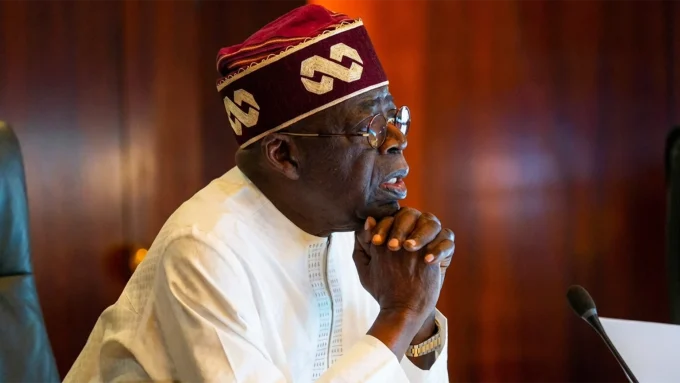
Electoral Act 2026: How Tinubu’s Swift Assent Could Influence 2027 Polls
President Bola Ahmed Tinubu’s prompt signing of the amended Electoral Bill into...
National
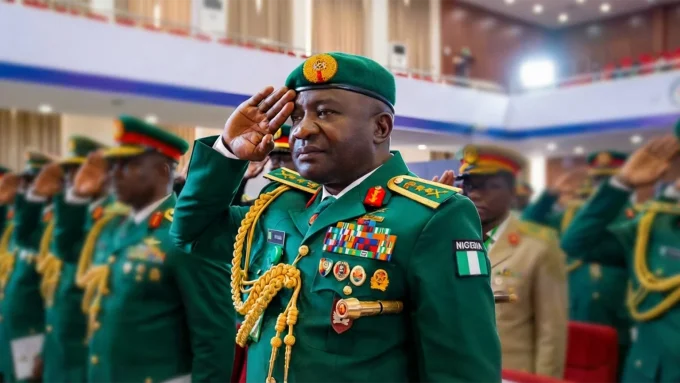
Defence Minister Calls for Careful Consideration of Mandatory Military Service
The Minister of Defence, General Christopher Musa, has advocated a measured and...
National
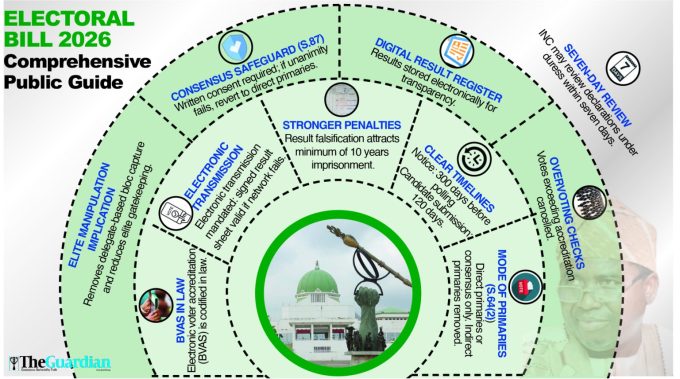
2027 Electoral Battle Shifts to INEC as Tinubu Signs Amended Electoral Act
Abuja – President Bola Tinubu’s signing of the Electoral Act (Amendment) Bill...




Leave a comment