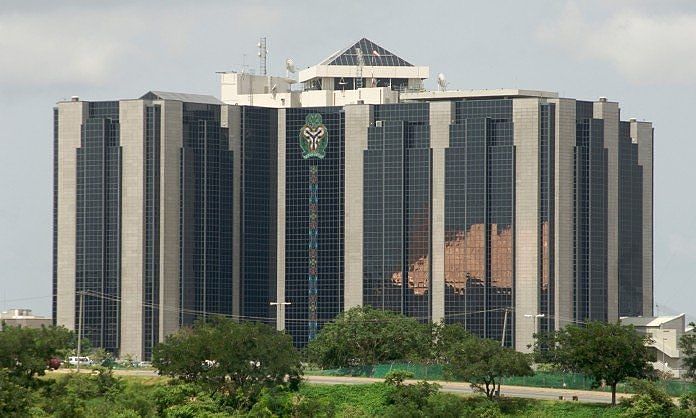
Nigeria’s foreign exchange reserves increased by $4.39 billion over the past year, reaching $45.24 billion. This marks an approximate 10.8% year‑on‑year gain in the country’s external reserves.
The reserves experienced a dip early in 2025, falling from about $40.87 billion at the end of 2024 to roughly $37.93 billion by April, largely due to foreign debt‑servicing and foreign exchange market interventions by the Central Bank of Nigeria. Over the first half of the year, the reserves shed around $3.67 billion.
However, in the second half of the year, the reserves regained momentum, rising steadily and crossing the $40 billion mark in August. They continued to strengthen through November and mid‑December, before settling at $45.24 billion in late December.
The Central Bank attributed the improvement to efforts in clearing the FX backlog, enhancing market transparency, and restoring investor confidence. Credibility and increased transparency have helped attract long‑term investment into the Nigerian economy.
Analysts have also pointed to stronger investor confidence, improved oil receipts, and increased remittances as contributing factors to the rise in reserves, though some caution that reliance on sources like Eurobond issuances and remittances carries its own risks.

Business
 News MasterUpdated 2 months Ago1 Mins read
Nigeria’s Foreign Exchange Reserves Climb by $4.39bn Over 12 Months
News MasterUpdated 2 months Ago1 Mins read
Share






Related Articles
Business
Otti Woos Investors as Abia Hosts High-Level Business Roundtable to Drive Economic Growth
The Abia State Government on Thursday hosted the Abia Business Roundtable 2026,...

Business
Abia Authorities Shut Down Hotels and Water Factory Over Environmental Violations
The Abia State Environmental Protection Agency (ASEPA) has sealed several hotels and...

Business
Lagos to Host Police Applicant Screening Exercise from March 9
The Nigeria Police Force has announced that the next phase of its...
Business
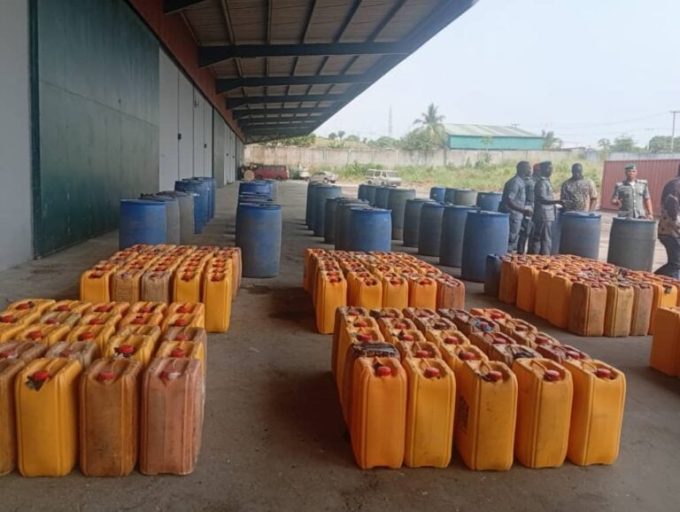
Nigeria Customs Service to Sell Seized 14,375 Litres of Smuggled Fuel in Cross River
The Nigeria Customs Service (NCS) is set to auction 14,375 litres of...




Leave a comment