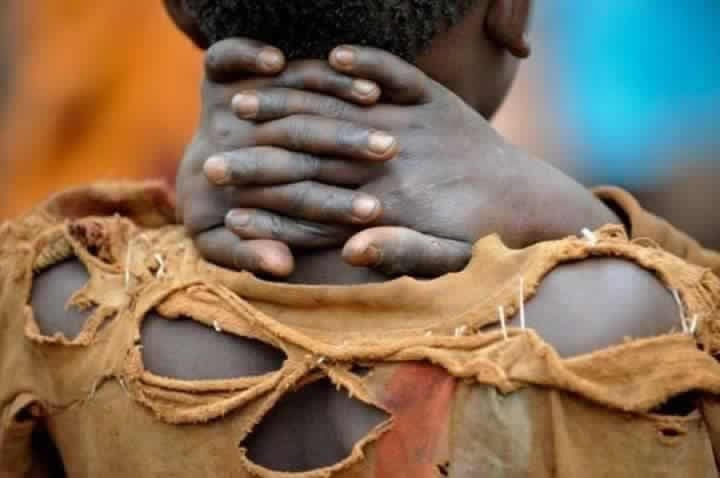
Nigeria’s Federal Government has proposed a N58.47 trillion budget for 2026, but only about N206.5 billion—less than one per cent of the total—is earmarked specifically for poverty‑alleviation programmes. This small share has raised questions about the government’s commitment to tackling widespread hardship and economic inequality in the country.
Most of the poverty‑related funding is included in broad central government spending under the National Poverty Reduction with Growth Strategy, with only a tiny portion directly allocated to specific ministries and agencies for interventions. Without the large central provisions, individual ministries would receive only a minimal slice of the overall funding for poverty projects.
Critics argue that with millions of Nigerians facing high living costs and economic insecurity, a more substantial and targeted investment is needed to make meaningful progress in reducing poverty. They say the current allocation may be insufficient to support sustainable economic improvements for the most vulnerable.
The 2026 budget figures reflect broader fiscal priorities, with significant portions of the spending plan dedicated to areas such as security, infrastructure, education, and health, while direct poverty‑reduction efforts continue to receive a relatively small slice of the pie.

Business
 News MasterUpdated 2 months Ago1 Mins read
Nigeria’s 2026 Budget Sets Aside Less Than 1 % for Poverty Reduction
News MasterUpdated 2 months Ago1 Mins read
Share




Related Articles
Business
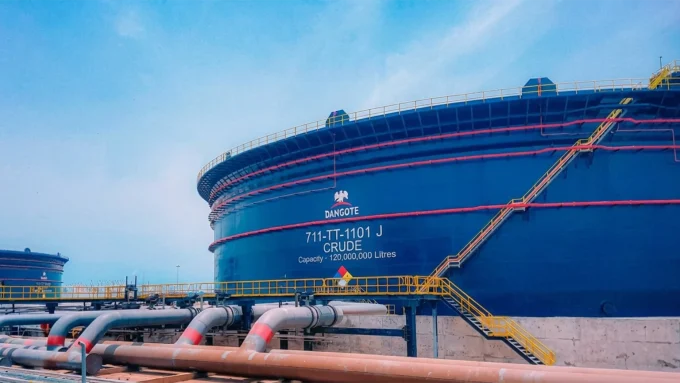
Dangote refinery raises petrol ex-depot price to ₦1,175 per litre
The Dangote Petroleum Refinery has increased the ex-depot price of Premium Motor...

Business
Opay Rejects Office Shutdown Claims, Says Tax Notice Affects All Payment Firms
Fintech firm Opay Digital Services Limited has stepped out to correct misinformation...
Business
Tax Compliance Key to Demanding Accountability, Says NOA
The National Orientation Agency (NOA) has emphasised that Nigerians must pay their...
Business
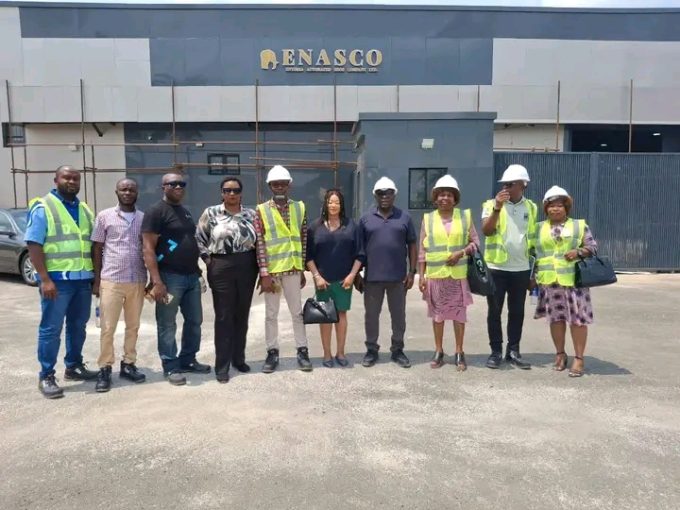
State Government Revamps Enyimba Garment Factory, ENASCO to Boost Local Production
The Abia State Government has stepped up efforts to revive key manufacturing...




Leave a comment