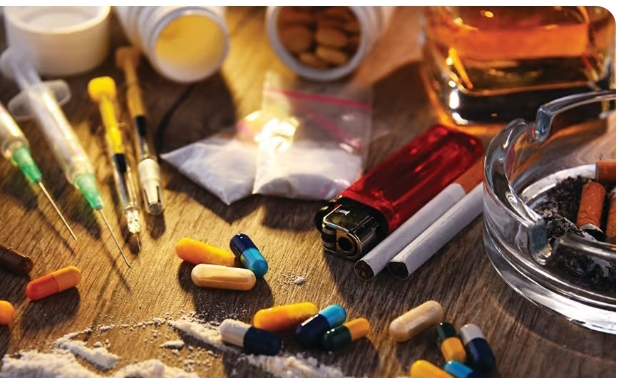
Nigeria is grappling with a growing substance abuse crisis, with an estimated 14.3 million people using illicit drugs and fewer than 200 treatment centres nationwide. Even more troubling is that only a fraction of these facilities offer specialised addiction treatment, as most focus primarily on general psychiatric care. Combined with the high cost of treatment and the easy availability of drugs, efforts to help addicts rebuild drug-free lives remain severely constrained.
Unemployment, rising poverty and weak social safety nets continue to push many Nigerians, particularly young people, towards substance use disorders (SUDs), making effective intervention increasingly difficult.
For 17-year-old Hajara Musa, the journey into drug use began after she was forced out of her home following repeated domestic conflicts. Isolated and vulnerable, she found companionship among strangers who soon introduced her to substance use. What began as a search for belonging quickly spiralled into addiction, leaving her emotionally distressed and socially displaced.
Now a single mother, Hajara traces her struggle to the breakdown of her family and her estrangement from her father. Despite multiple attempts to quit drugs over the years, she found the pull difficult to resist. Seeking help from relatives only deepened her pain, as judgment and rejection pushed her further into isolation.
Abuja resident Oluchi Chinedu shares a different, yet equally painful story. Orphaned at a young age, she became the sole caregiver for her siblings. With no financial support and her education cut short, substance use became a coping mechanism to numb emotional trauma and survive daily pressures.
Though aware of the consequences, Chinedu insists that addiction is rarely a deliberate choice. “Most times, people are driven into it by circumstances beyond their control,” she said, noting the long-term social and health implications that continue to haunt her.
In contrast, Ibrahim Yusuf-Gombe’s story offers a glimmer of hope. A former drug user, he is now a mental health trainer and convener of the Drug-Free Arewa Movement, advocating recovery and prevention. He warned that the situation may be worse than official estimates suggest, particularly amid Nigeria’s economic hardship.
“More than 80 per cent of young people using drugs do not have access to treatment,” he said, citing the prohibitive cost of rehabilitation and limited facilities. “The health consequences are enormous, and pulling people out of addiction requires serious commitment.”
Research published in the International Journal of Medical Research identifies peer pressure, the desire to belong, emotional distress and social trends as key drivers of substance abuse among young Nigerians. Many turn to drugs to cope with anxiety, sadness or exclusion.
Despite significant enforcement efforts by the National Drug Law Enforcement Agency (NDLEA), including tens of thousands of arrests, convictions and large drug seizures, new consumption patterns are emerging. Drug-themed parties, the use of courier services for trafficking and a rise in synthetic opioids have complicated enforcement.
A particularly worrying trend is the growing number of women involved in drug abuse. According to the United Nations Office on Drugs and Crime (UNODC), one in four drug users in Nigeria is female, yet women account for only one in 20 people receiving treatment. Factors such as domestic violence, emotional trauma, poverty, stigma and relationships with drug-using partners have been identified as major contributors.
Experts warn that stigma against women drug users, especially mothers, forces many into secrecy, reducing their chances of accessing help and deepening family and social breakdown.
At the heart of the crisis lies Nigeria’s fragile rehabilitation system. The country currently relies on a limited number of federal neuro-psychiatric hospitals, NDLEA-run centres, state facilities and private rehabilitation homes, many of which are overcrowded, under-resourced or unaffordable. Private centres offering evidence-based care often charge far beyond the reach of average Nigerians.
While NDLEA officials argue that treatment at their facilities is largely subsidised, advocates counter that even minimal costs remain prohibitive for most families amid soaring living expenses.
Mental health professionals warn that without expanded, affordable and well-staffed rehabilitation services, enforcement alone cannot curb the crisis. They stress the need to address root causes such as unemployment, poverty and social instability, alongside full implementation of Nigeria’s drug control policies.
With projections indicating a sharp rise in drug use across Africa by 2030, experts fear that failure to act decisively could push Nigeria into a deeper public health and social emergency, one that threatens families, communities and national development.

Health
 News MasterUpdated 2 months Ago3 Mins read
How poor services, high costs and easy drug access fuel Nigeria’s addiction crisis
News MasterUpdated 2 months Ago3 Mins read
Share





Related Articles
Health
Governor Okpebholo Covers Medical Expenses for Fire Victim and Other Patients
The Governor of Edo State, Senator Monday Okpebholo, has stepped in to...
Health
Taraba Hospital Under Strain as Lassa Fever Fatalities Climb
Medical authorities in Taraba State are reporting increasing pressure on healthcare facilities...
Health
Epidemic Alert: Lassa Fever Claims More Lives in Jalingo
The Federal Medical Center (FMC) Jalingo is battling a severe Lassa Fever...

Health
FEC Approves Demolition, Reconstruction of Carter Bridge in Lagos
The Federal Executive Council (FEC) has approved the demolition and reconstruction of...



Leave a comment