The continued failure of Nigeria’s electricity distribution companies (DisCos) to provide prepaid meters to consumers under a fully funded World Bank programme reflects more than administrative lapses, it suggests deep institutional resistance.
Despite clear government policy and financial backing, hundreds of thousands of prepaid meters meant for free distribution remain locked up in warehouses. Meanwhile, consumers are subjected to estimated billing, often paying for electricity they neither use nor receive. This situation is unacceptable.
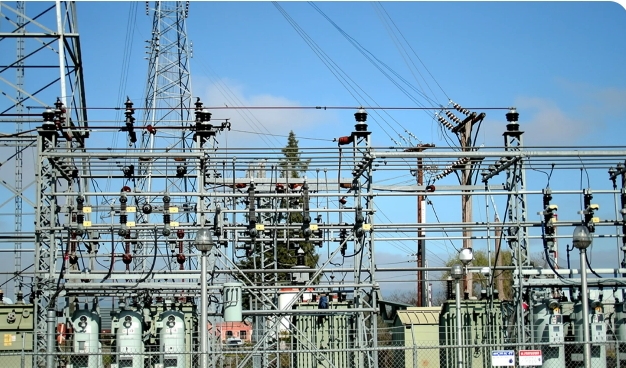
Nigeria’s electricity sector has long been plagued by persistent crises, repeated national grid collapses, erratic supply, inflated tariffs, poor regulation, electricity theft, and chronic metering gaps. Much of the country remains in darkness, both physically and institutionally.
To address these structural failures, the Federal Government launched the Distribution Sector Recovery Programme (DISREP), backed by a $500 million World Bank facility. Approved in 2021 and declared effective in January 2023, the programme was designed to strengthen the financial and operational capacity of DisCos, improve service delivery, and close the country’s massive metering deficit.
With an estimated shortfall of about seven million meters, Nigeria’s electricity market has been distorted for years by estimated billing and revenue opacity. Under DISREP, about 3.4 million smart meters are expected to be deployed over time to reduce losses, protect consumers, and promote transparency.
However, implementation has stalled.
The Federal Government has accused some DisCos of frustrating the free metering scheme. Reports indicate that installation contractors are unwilling to meet daily targets, citing inadequate installation fees around N3,000 per meter. There are also troubling allegations that some agents demand illegal payments from consumers, even though the programme fully covers the cost of meters, accessories, and installation.
The Minister of Power, Adebayo Adelabu, has repeatedly clarified that consumers are not required to pay for these meters. Each device is configured for specific franchise areas, preventing diversion across regions.
Yet progress remains slow. Of the one million meters initially procured, only about 150,000 have reportedly been installed within eight months, leaving roughly 850,000 meters warehoused across several DisCos. With additional batches expected, the backlog could worsen if installations are not accelerated.
Explanations about operational challenges, from installer remuneration issues to customer data inaccuracies, may highlight difficulties, but they do not justify the scale of delay. Nor do they excuse the continued exposure of consumers to arbitrary billing practices.
More concerning are allegations that some DisCos or their representatives continue to demand payment for meters already funded by international development support. Such actions represent a serious breach of public trust and undermine the purpose of the intervention.
When donor funds are provided in good faith to reform a struggling sector but are rendered ineffective through non-performance, Nigeria’s credibility with development partners is weakened. Development financing is built on accountability and measurable results.
The Nigerian Electricity Regulatory Commission (NERC) has a central role in addressing this impasse. Its Order on the Operationalisation of Tranche B of the Meter Acquisition Fund approved N28 billion for DisCos to procure and install meters at no cost to consumers, with timelines and penalties attached. Yet months after implementation began in October 2025, results remain uneven.
Regulation must now move from directives to enforcement. Where meters are funded and delivered, consumers must not be charged, and installations must proceed without delay. Metering is not a discretionary favour by DisCos; it is a consumer right and regulatory obligation.
Persistent non-compliance should attract sanctions, including financial penalties, tariff reviews, and, where necessary, scrutiny of licence fitness. Regulation without consequences risks becoming ineffective.
There is also a structural conflict of interest. Allowing DisCos — which may benefit from estimated billing — to control the deployment of publicly funded meters creates incentives for delay. Independent Meter Asset Providers could be engaged where necessary to fast-track installations.
The World Bank also has a responsibility to ensure performance conditions tied to its facility are enforced. Failure to meet agreed targets should trigger corrective measures.
Where credible evidence of diversion or deliberate hoarding emerges, anti-corruption agencies must step in. Publicly funded assets cannot be withheld for commercial advantage.
Consumers are not entirely powerless. Though the judicial process can be slow, representative legal actions remain an option to challenge unlawful estimated billing and compel meter deployment. Transparency would also help, a public disclosure of meters received versus meters installed by each DisCo would clarify the scale of compliance or default.
Nigeria’s electricity crisis cannot be resolved while prepaid meters gather dust in storage facilities. Metering is fundamental to transparency, fairness, and accountability in the power sector. Until hoarding carries real financial, legal, and reputational consequences, the cycle of estimated billing and consumer distrust will persist.
For meaningful reform to take root, the promise of free metering must move from policy documents to people’s homes.

National
 News MasterUpdated 4 hours Ago3 Mins read
Nigeria’s Power Crisis and the Scandal of Hoarded Meters
News MasterUpdated 4 hours Ago3 Mins read
Share



Related Articles
National
FG Denies Paying Ransom or Releasing Militants for Niger Schoolchildren’s Rescue
The Federal Government has rejected claims that it paid a ransom or...
National
FG Warns Against Misuse of Veterinary Drugs
The Federal Government has raised alarm over the growing misuse of veterinary...
National
Electoral Act 2026: How Tinubu’s Swift Assent Could Influence 2027 Polls
President Bola Ahmed Tinubu’s prompt signing of the amended Electoral Bill into...
National
Defence Minister Calls for Careful Consideration of Mandatory Military Service
The Minister of Defence, General Christopher Musa, has advocated a measured and...



Leave a comment