The coroner’s inquest into the death of 21-month-old Master Nkanu Nnamdi Esege has drawn intense public attention, both in Nigeria and globally. The involvement of internationally acclaimed author Chimamanda Ngozi Adichie and broader debates over healthcare standards in Nigeria have placed the proceedings under exceptional scrutiny.
Public interest in cases like this is understandable. When grief intersects with questions of medical care, the demand for clarity and accountability intensifies. Inquests serve the public function of establishing facts, who died and the medical cause of death, rather than assigning civil or criminal liability.
Yet a critical aspect of this inquest has been largely overlooked: the absence of the child’s body. It is now publicly known that Master Nkanu was cremated, a fact that fundamentally changes the forensic landscape of the inquiry.
During the preliminary session at Yaba Magistrate Court, the presiding magistrate emphasized, “For every inquest, the starting point is that there must be an autopsy to provide a professional report.” This is not a procedural formality; it is the evidentiary foundation upon which the coroner’s findings are built. The Lagos State Attorney General also acknowledged the difficulty of determining a cause of death without the body.
With the physical evidence gone, the inquest must rely solely on hospital records, expert testimony, and eyewitness accounts. Cremation, by its nature, is irreversible, there is no opportunity to re-examine tissue, seek a second forensic opinion, or explore new questions about the sequence of medical events in the child’s final hours.
Without an autopsy, the inquiry risks becoming a contest of expert interpretations rather than a determination grounded in primary evidence. Competing readings of hospital records may offer divergent conclusions, leaving the coroner without the central forensic anchor necessary to establish certainty.
Both hospital documentation and autopsy findings serve complementary roles. While records show what was done, an autopsy reveals what was found in the body. Both are normally essential for a complete understanding of events leading to death.
The Lagos State Government has stressed that this is more than a private family tragedy, it is a matter with implications for medical accountability and standards. The absence of primary forensic evidence should therefore not be treated lightly. Proceeding to a finding without acknowledging this limitation risks setting a precedent that could affect future inquests, especially for families lacking public visibility.
The grief is real, and public interest is genuine. But so too is the reality that the primary evidence is gone, and this fact demands recognition at the highest level of scrutiny.
Benjamin Odunlamo is a public analyst based in Lagos.

Featured
 News MasterUpdated 4 hours Ago2 Mins read
The Missing Forensic Anchor in the Chimamanda Baby Inquest
News MasterUpdated 4 hours Ago2 Mins read

Share


Related Articles
Featured
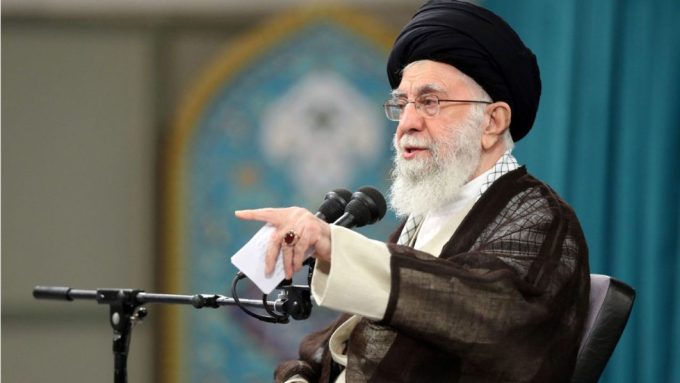
Khamenei’s Daughter, Son-in-Law, and Granddaughter Killed in US-Israel Strikes
Iranian media reported on Sunday that the daughter, son-in-law, and granddaughter of...
Featured
OPEC+ Agrees Gradual Increase in Oil Production from April
Eight major members of the OPEC+ alliance have agreed to gradually increase...

Featured
Popular Native Doctor “Akwa Okuko Tiwara Aki” Jailed as Anambra Shrine is Demolished
The Anambra State Government has begun dismantling the traditional shrine of Chidozie...
Featured
Prof. Iyabo Obasanjo Ogunlade Backs National Reforms as She Launches Bid for Ogun Governor
Prof. Iyabo Obasanjo Ogunlade, daughter of former President Olusegun Obasanjo, has thrown...




Leave a comment