The Federal Government has resolved the long-running dispute surrounding Oil Prospecting Licence (OPL) 245, a move expected to strengthen Nigeria’s economy and improve its fiscal position.
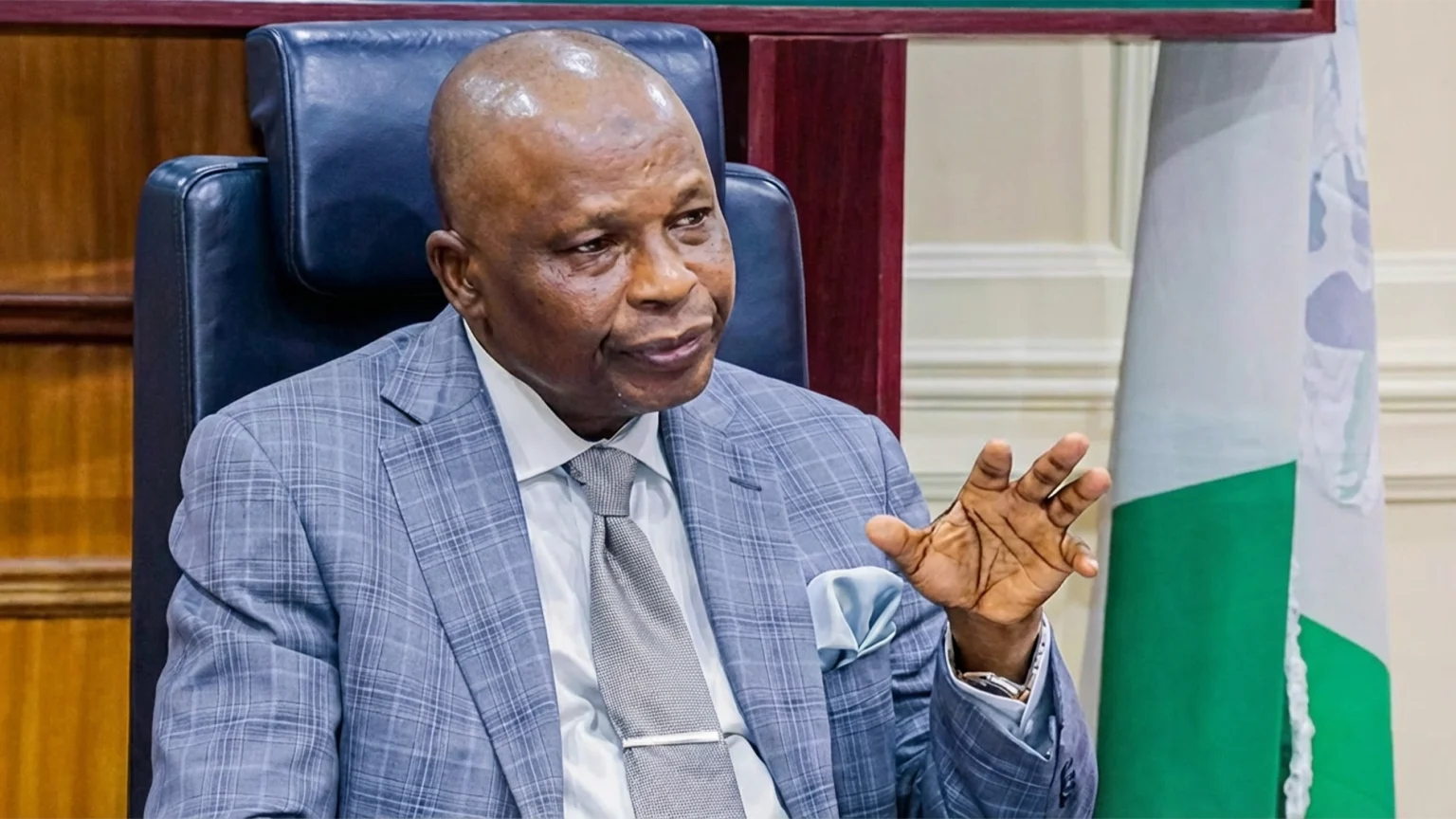
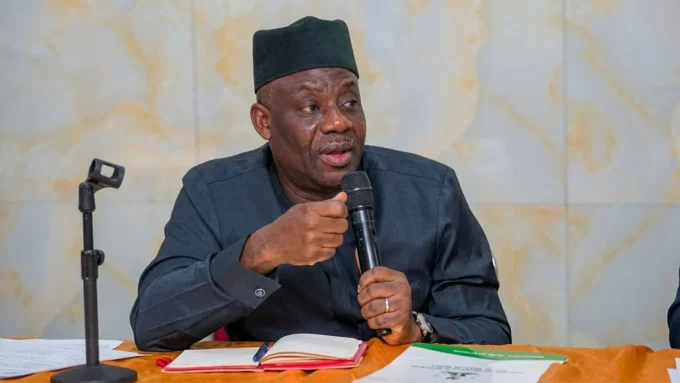
Attorney-General of the Federation and Minister of Justice, Lateef Fagbemi (SAN), disclosed this after the signing of a legal agreement in Abuja that formally ended the dispute.
Fagbemi commended President Bola Tinubu for providing the leadership that made the resolution possible, describing the agreement as a significant step in repositioning Nigeria’s economic landscape.
According to him, the settlement marks a major turning point for the country’s oil and gas sector after more than 20 years of legal battles and international arbitration involving the oil block.
The Federal Government reached the agreement with Eni and Nigerian Agip Exploration Limited (NAEL), bringing an end to the protracted disagreement over the ownership and development of OPL 245.
Fagbemi explained that the resolution would help recalibrate the national economy by strengthening the government’s financial outlook and eliminating uncertainties that had previously slowed the development of the oil asset.
He noted that early in the administration, President Tinubu directed that all issues surrounding the oil block be resolved amicably in the interest of Nigerians.
“The President’s clear vision and commitment provided the political will needed to bring closure to this longstanding dispute. The agreement also reflects Nigeria’s dedication to transparency, accountability and the rule of law,” Fagbemi said.
He added that the settlement, which will lead to a Consent Arbitral Award, not only ends a complex international legal dispute but also improves Nigeria’s credibility as a reliable partner in global business.
Fagbemi further stated that resolving the issue would attract large-scale investment, create employment opportunities and strengthen Nigeria’s position as a major energy producer in Africa.
He also explained that anticipated revenues from the oil block can now be incorporated into the country’s medium-term fiscal framework, supporting budget stability, long-term economic planning and debt sustainability.

National
 News MasterUpdated 3 hours Ago1 Mins read
FG settles OPL 245 dispute to boost Nigeria’s economy
News MasterUpdated 3 hours Ago1 Mins read
Share




Related Articles

National
Wike confirms 1,659 FCTA staff appointments as 224 absentees spark ghost worker concerns
Minister of the Federal Capital Territory (FCT), Nyesom Wike, has approved the...

National
2027: Sowore Targets Tinubu’s Seat, Promises to Tackle Power, Insecurity, Unemployment
Human rights activist and pro-democracy advocate, Omoyele Sowore, has declared his intention...
National
Nigeria, Africa Risk Fuel Shortage as Global Supply Faces Disruption
Nigeria and several African countries could experience fresh fuel supply challenges following...
National
FG to Introduce Routine Hearing Checks in Primary Schools, Expand Newborn Screening
The Federal Government has announced plans to introduce routine hearing checks in...




Leave a comment