The Federal Government has stepped in to support Nigeria’s rice industry following the shutdown of about 90 local rice mills across the country due to the impact of widespread rice smuggling.
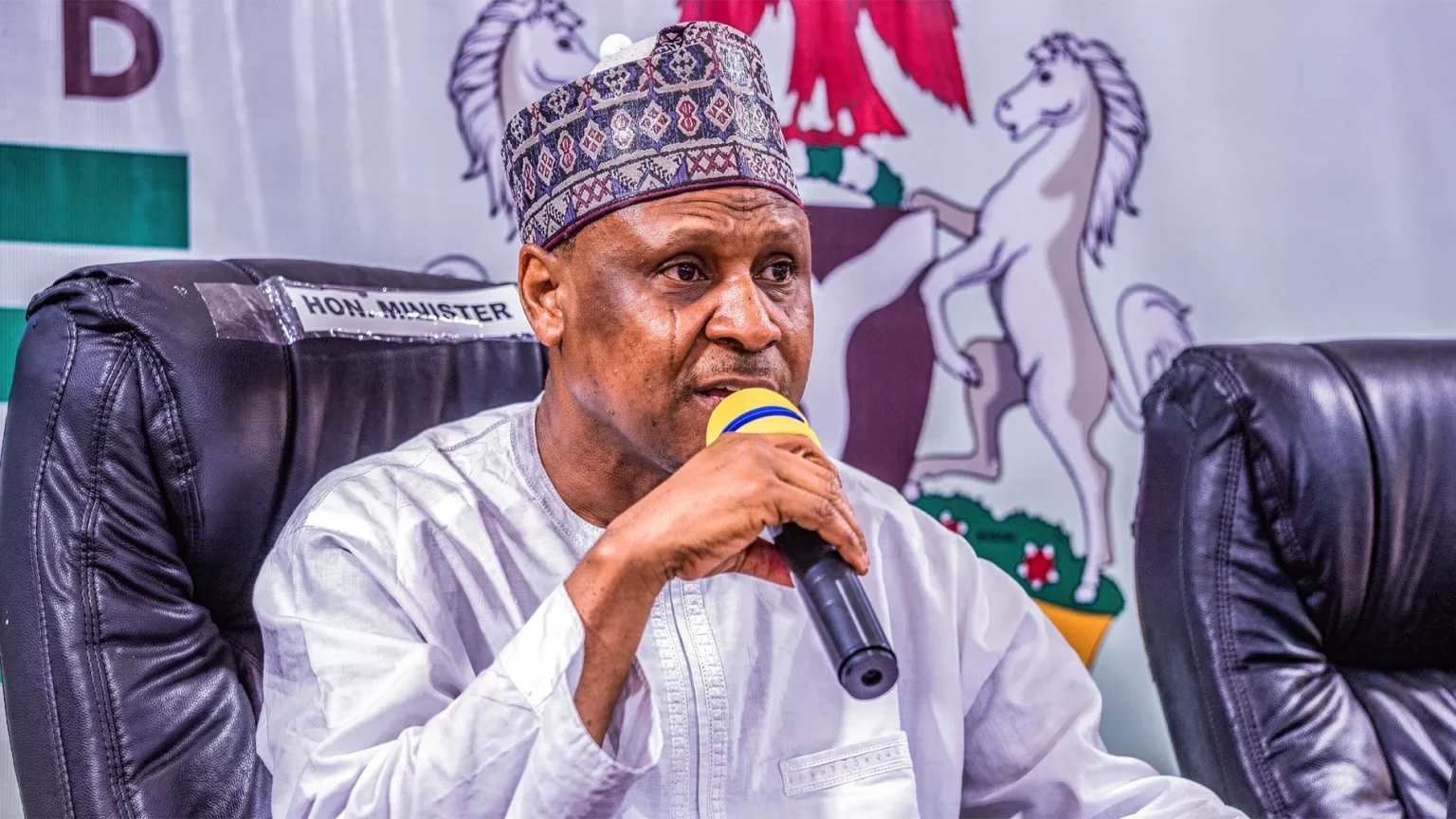
The intervention was announced during a meeting in Abuja between the Minister of State for Industry, Trade and Investment, John Owan Enoh, and members of the Rice Processors Association of Nigeria (RIPAN).
According to the ministry’s Head of Press, Augustina Obilor-Duru, discussions at the meeting centred on major challenges facing the rice value chain, including illegal rice imports, rising production costs, and inadequate infrastructure affecting farmers and millers.
Speaking at the meeting, Enoh emphasised the need for stronger collaboration between the government and stakeholders in the rice industry to stabilise the sector and sustain the country’s drive for rice self-sufficiency.
He warned that the increasing influx of cheaper smuggled rice into the Nigerian market is weakening local production and discouraging investment in the industry.
Enoh noted that when imported rice is sold at prices far lower than locally processed rice, it creates unfair competition that threatens domestic producers. He assured stakeholders that the government would implement policies aimed at protecting local industries.
The minister also called on industry players to provide accurate data that would help the government formulate effective policies, adding that transparency and cooperation would strengthen the sector and contribute to national development.
In his remarks, RIPAN Director-General, Dr. Andy Ekwelem, said the scale of rice smuggling has placed local millers at a significant disadvantage.
He explained that smuggled rice enters the Nigerian market at prices that local producers cannot match, forcing many mills to shut down while others operate below capacity, between 30 and 70 per cent.
Ekwelem added that the rice industry remains a key part of Nigeria’s economy, providing direct employment to more than 100,000 people and supporting over 10 million farmers along the agricultural value chain.
However, he noted that high production costs, insecurity in farming communities, and poor infrastructure continue to pose major challenges to the sector.

National
 News MasterUpdated 2 hours Ago1 Mins read
FG Moves to Protect Rice Industry as Smuggling Forces Closure of 90 Mills
News MasterUpdated 2 hours Ago1 Mins read
Share






Related Articles
National
Oil Rally Retreats as Nigerians Await Possible Pump Price Review
Despite rising global crude oil prices triggered by tensions in the Middle...

National
Wike confirms 1,659 FCTA staff appointments as 224 absentees spark ghost worker concerns
Minister of the Federal Capital Territory (FCT), Nyesom Wike, has approved the...

National
FG settles OPL 245 dispute to boost Nigeria’s economy
The Federal Government has resolved the long-running dispute surrounding Oil Prospecting Licence...

National
2027: Sowore Targets Tinubu’s Seat, Promises to Tackle Power, Insecurity, Unemployment
Human rights activist and pro-democracy advocate, Omoyele Sowore, has declared his intention...




Leave a comment