Universal Health Coverage remains a critical objective under the United Nations Sustainable Development Goals, particularly SDG 3.8 which emphasizes equitable access to quality healthcare services for all citizens. The vision of UHC is to ensure that individuals and communities receive essential health services such as preventive care, diagnosis, treatment, rehabilitation and palliative support without being exposed to financial hardship.
Across the world, however, progress towards achieving this target by the year 2030 has been slow and uneven. Several global assessments indicate that many nations are still grappling with fragile health systems, shortage of medical professionals and infrastructural limitations that hinder effective healthcare delivery.
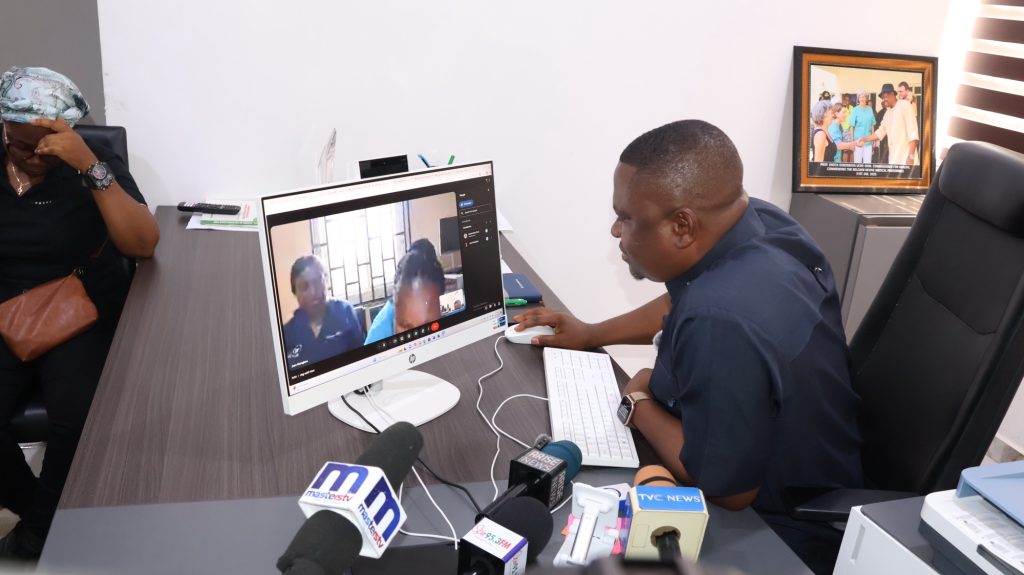
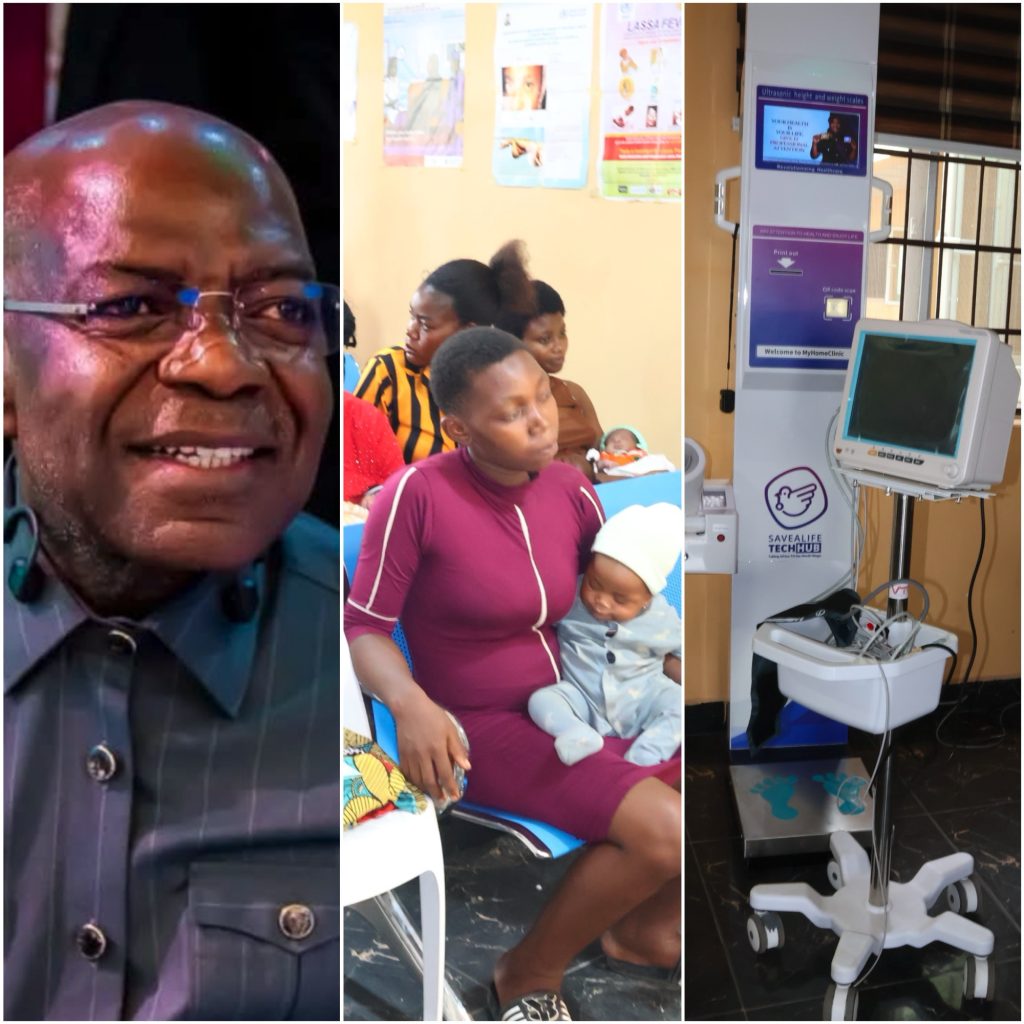
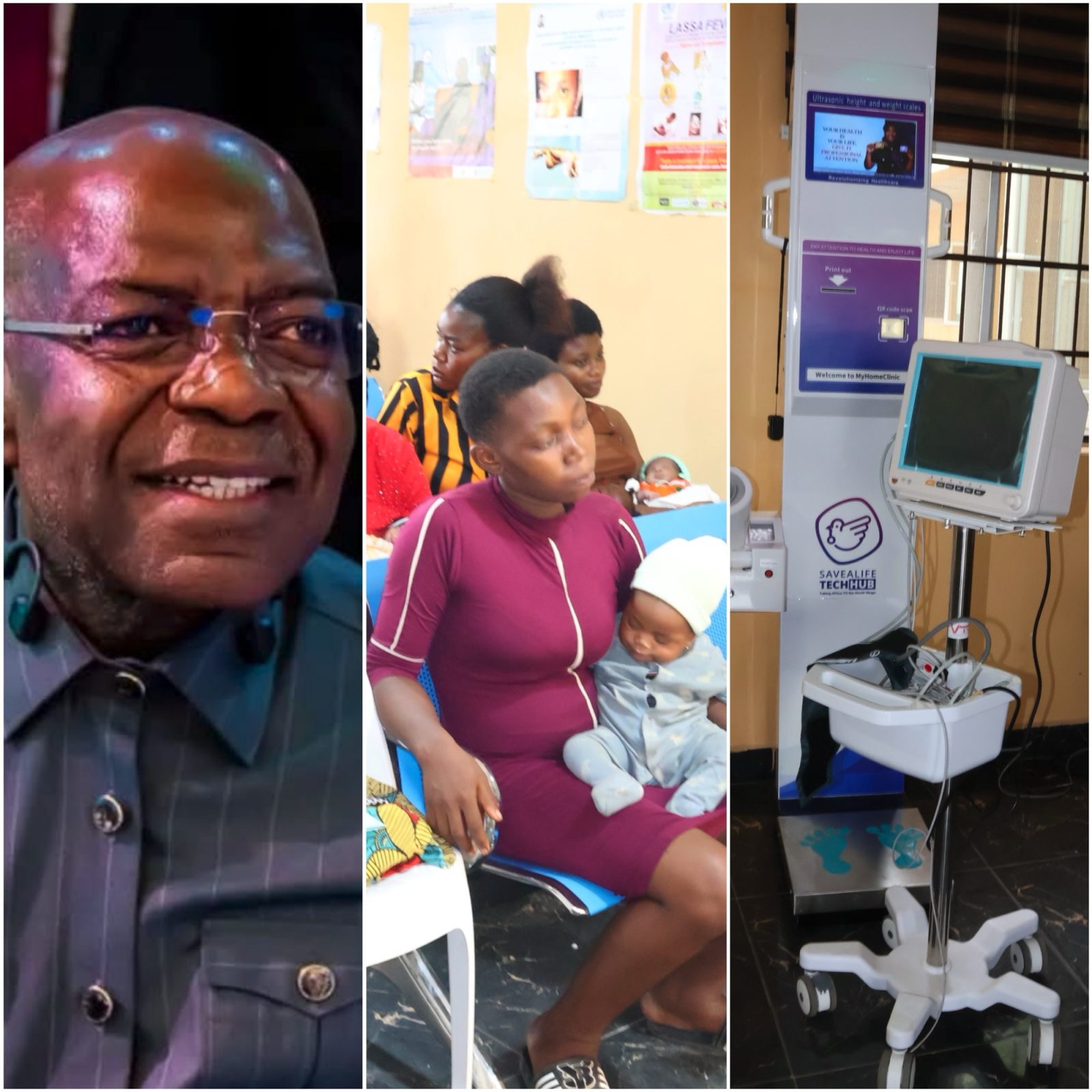
In an Investigative Media Tour conducted by Journalist Chichi Umesaka, it was discovered that Abia State is beginning to emerge as a notable example of innovation in healthcare access. Through a forward looking digital health initiative championed by Governor Alex Otti, remote communities that were previously marginalized in terms of healthcare infrastructure are gradually being integrated into a modern medical service network.
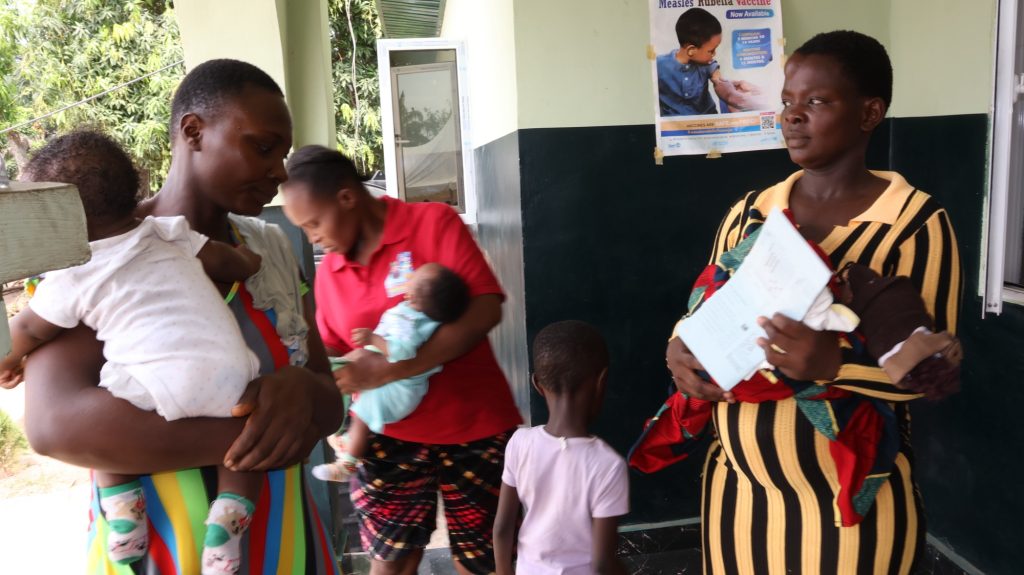
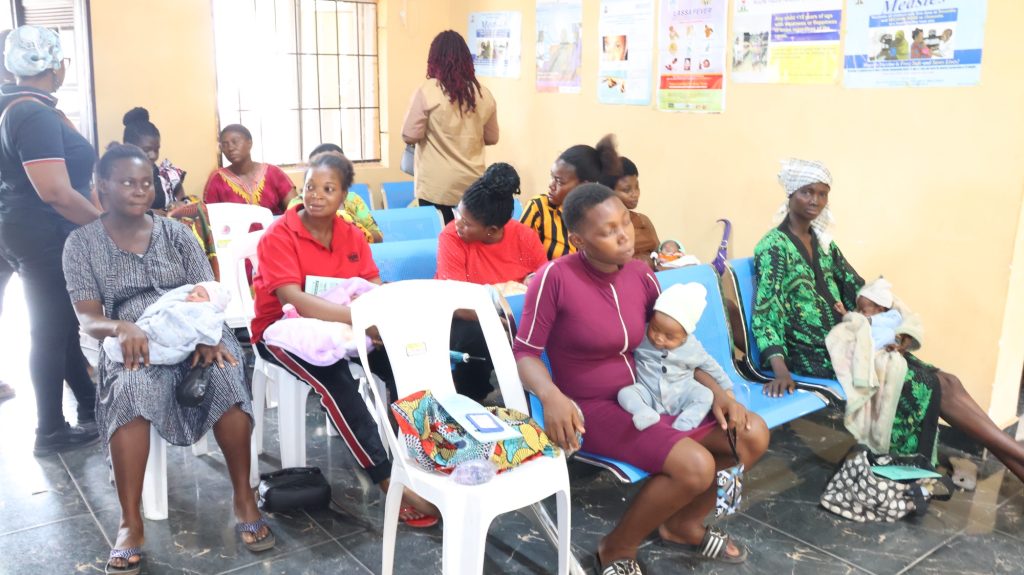
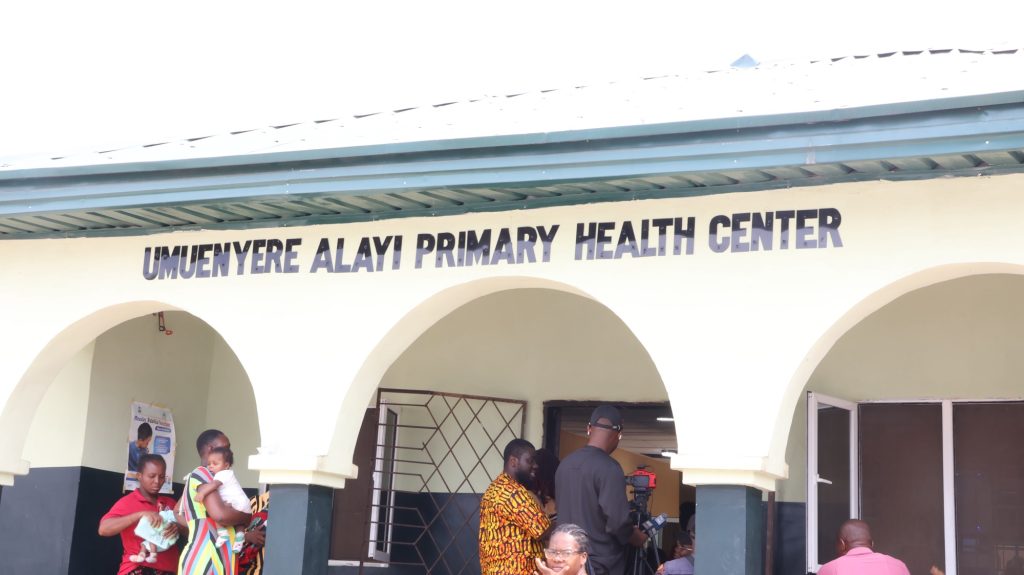
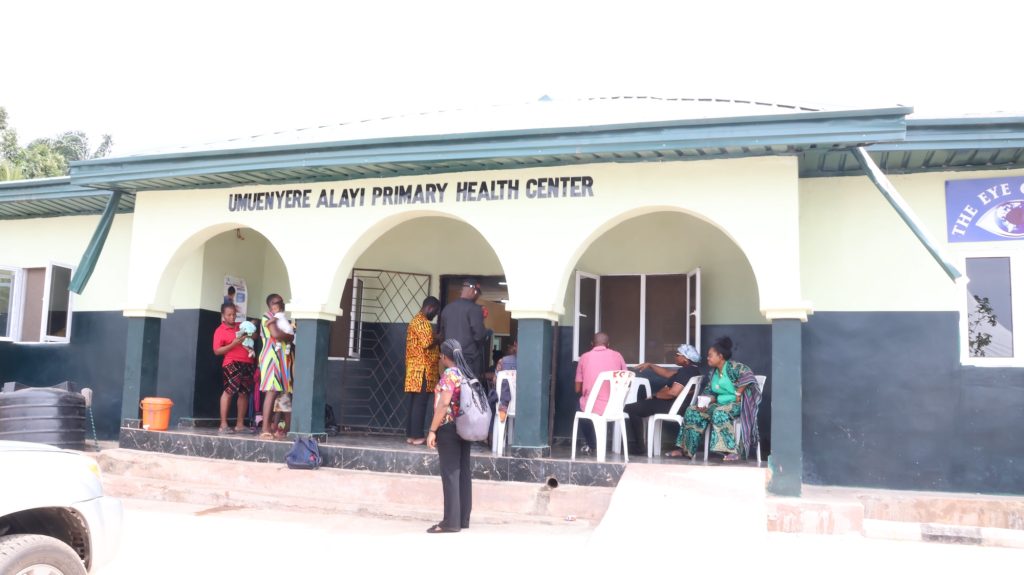
On this fact finding media visit to communities such as Umuenyere and Umudike in Ikwuano Local Government Area provided first hand insight into the practical implementation of this initiative. These rural settlements have long endured severe infrastructural deficiencies including prolonged electricity outages and limited internet connectivity. Despite these obstacles, a functional digital health centre has been successfully established.
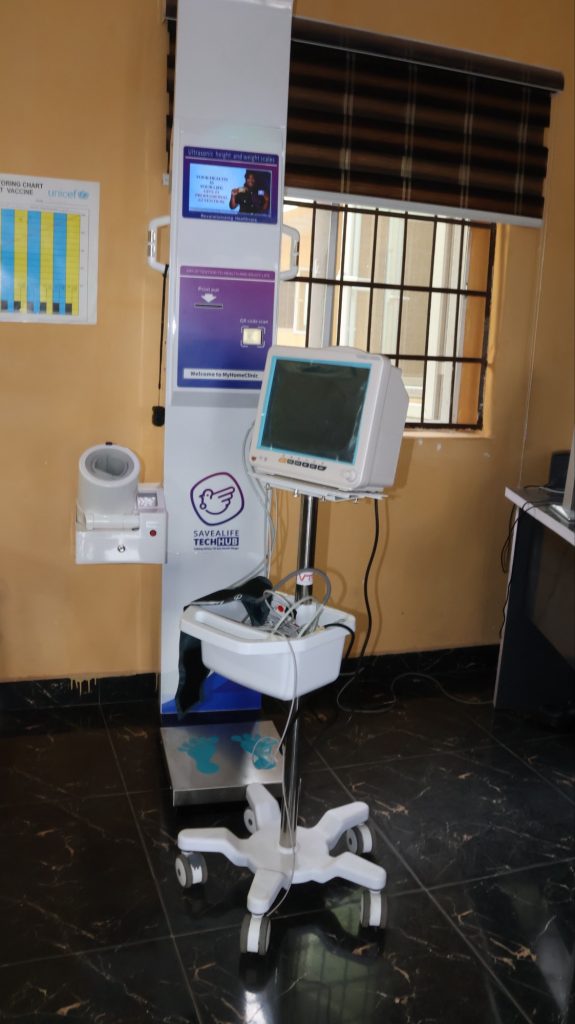
Residents of these communities now possess personalized health identification cards which are scanned into an advanced diagnostic system. The system records vital medical indicators including blood pressure, pulse rate, oxygen saturation and body temperature. These readings are digitally transmitted to medical practitioners who analyze the information remotely and provide professional consultation.
The initiative also addresses the persistent challenge of medical brain drain which has significantly affected Nigeria’s healthcare sector. With many doctors seeking opportunities abroad, rural communities have been left particularly vulnerable. Telemedicine now provides a strategic solution by enabling doctors to evaluate and guide patient care from distant locations.
Through this technological intervention, elderly residents and other vulnerable populations in remote villages can now access professional medical consultation comparable to what is available in urban hospitals. In certain cases, specialists located outside the country can also participate in consultations, thereby expanding the scope and expertise of medical support available to patients.
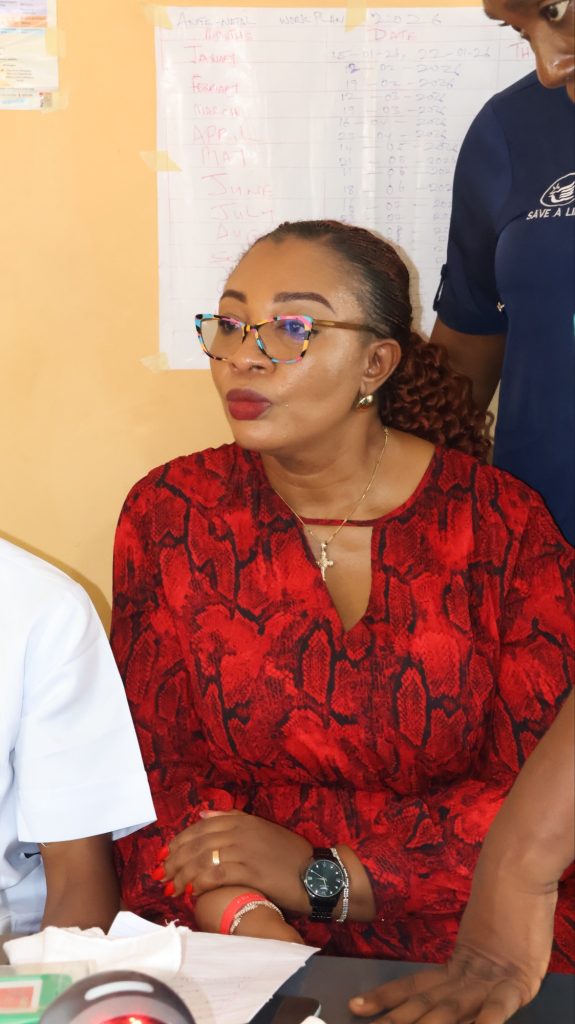
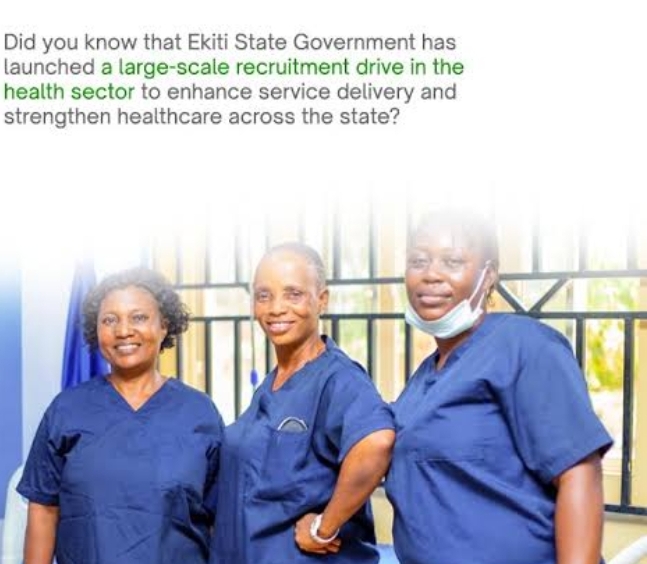
Healthcare personnel stationed within the communities play a complementary role in the system. Nurses assist residents especially those with limited literacy by helping them respond to medical questionnaires and communicate their symptoms clearly. This collaborative process ensures that doctors receive accurate information necessary for appropriate diagnosis and treatment recommendations.
The initiative represents a significant transformation in the approach to rural healthcare delivery. By leveraging digital technology and innovative policy direction, Abia State is demonstrating that geographical barriers and infrastructural constraints need not permanently limit access to quality healthcare services.
The unfolding development provides a compelling example of how strategic innovation can strengthen primary healthcare systems while advancing the broader goal of universal health coverage for all.