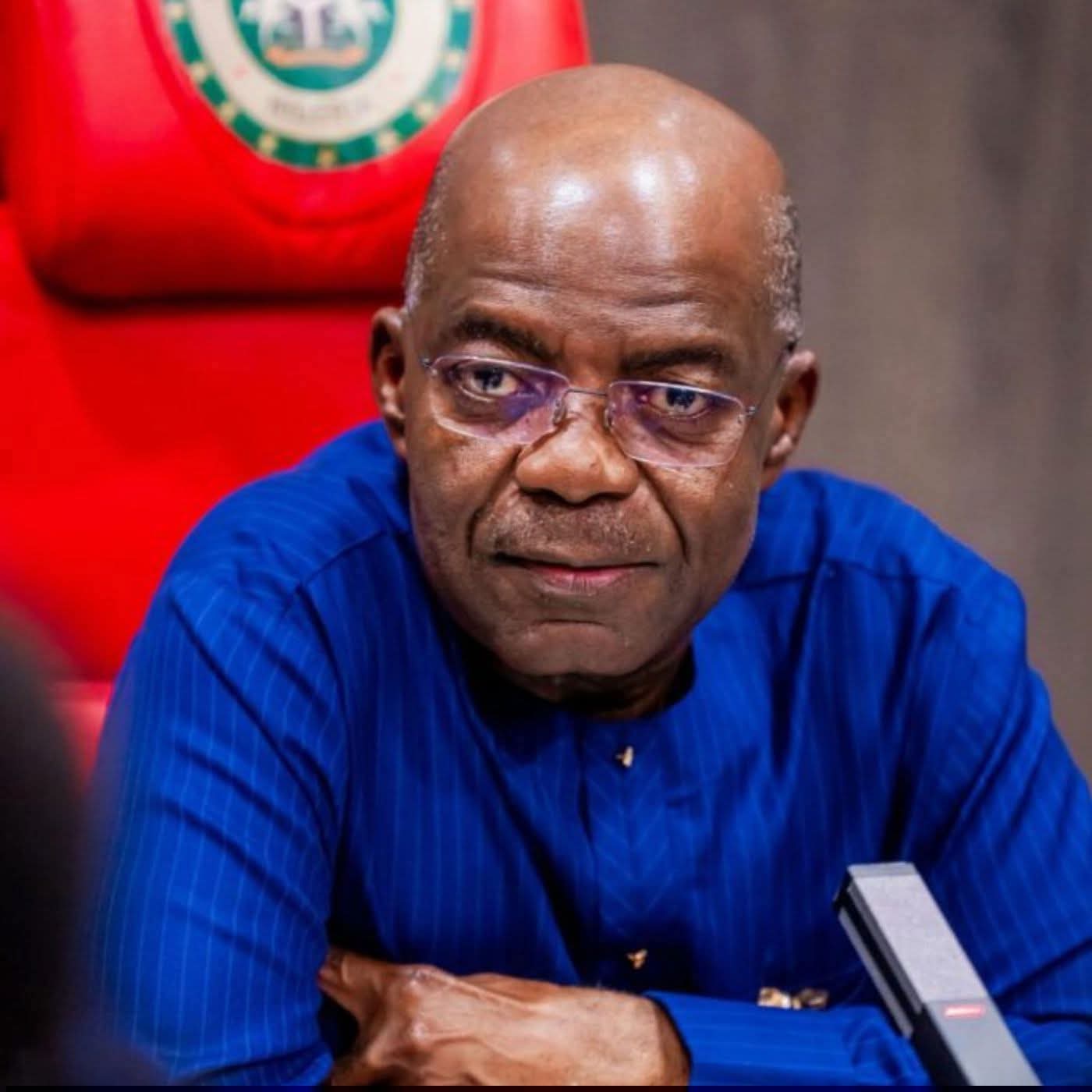
In a groundbreaking move, Abia State has become the first state in Africa to demonstrate that Universal Health Coverage (UHC) can be achieved, even in the most remote communities. Under the leadership of Governor Alex Otti, villages like Umuenyere alayi in bende local government and Umudike now have access to professional healthcare through an innovative telemedicine program.
Umuenyere, a village that has lacked electricity for over five years and struggled with poor or no internet connectivity, is now connected to modern healthcare services. Residents use smart cards to scan into machines that record vital signs such as blood pressure, oxygen levels, pulse, and temperature. This data is instantly transmitted to doctors who can monitor and treat patients remotely, ensuring accuracy and reducing human error.
“This is proof that geography and infrastructure limitations no longer have to block access to quality healthcare,” Governor Otti said. “If doctors won’t come to the mountain, the mountain will go to the doctors.” The initiative allows not only local doctors but also specialists abroad to co-manage cases, providing world-class care without requiring patients to travel to the city.
Local nurses act as vital intermediaries, helping residents fill out digital questionnaires and communicate symptoms effectively to doctors. This approach ensures that even illiterate patients can access consultations and receive treatment. Experts say the Abia model could serve as a blueprint for other African states, showing that with innovation and technology, UHC by 2030 is achievable, even in communities long considered unreachable.

State News
 News MasterUpdated 3 hours Ago1 Mins read
Governor Alex Otti Brings Telemedicine to Remote Villages, Pioneering Universal Healthcare in Abia State
News MasterUpdated 3 hours Ago1 Mins read
Share




Related Articles

State News
Power Boost for Border Towns: Sanwo‑Olu Launches New Electricity Drive in Badagry
In a move aimed at transforming daily life and economic activity in...

State News
Otti Reaffirms Commitment to Education, Says Abia Allocates 20% of Budget to Sector
Abia State Governor, Dr. Alex Otti, has reiterated his administration’s strong commitment...

State News
Abia State Approves 100 Hectares for New Air Force Training Hub
In a bid to strengthen security infrastructure in the South‑East, Abia State...

State News
Jigawa State Boosts Ward Heads’ Monthly Allowance to ₦10,000
The Jigawa State Government has announced a significant revision of monthly stipends...




Leave a comment