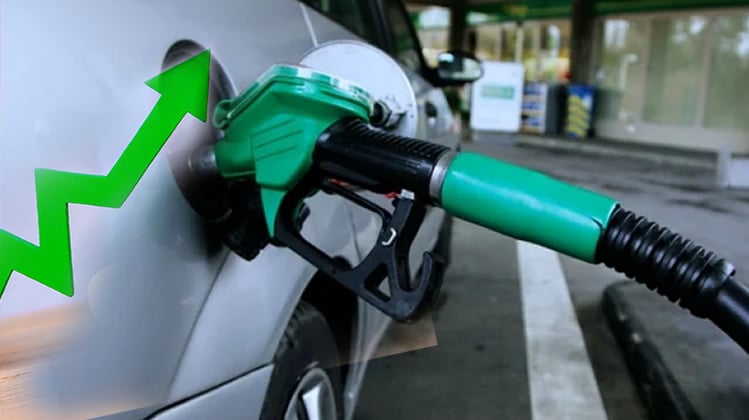
Nigeria continued to rely heavily on foreign‑sourced petrol in 2025, spending nearly ₦9 trillion on imports of Premium Motor Spirit (petrol) over the course of the year. This substantial expenditure occurred even as local refining capacity has been expanding, highlighting ongoing gaps in energy self‑sufficiency.
Industry observers say the high import bill reflects the country’s continued dependence on refined fuel from abroad because domestic refineries — both state‑owned and private — have not yet been able to meet local demand consistently. Efforts to boost internal production have seen some progress, but they haven’t yet led to a significant reduction in spending on imported petrol.
Experts note that the cost of landing imported fuel in Nigeria remains a drag on foreign exchange reserves and adds pressure to the broader economy. They argue that closing the gap between local refining output and national consumption will be crucial to reducing these large import bills in the long term.
Analysts also stress the importance of improving refinery operations, maintenance, and investment in modern technology to enhance efficiency. Until local production can meet demand reliably, Nigeria is expected to continue spending heavily on imported fuel.

Business
 News MasterUpdated 3 hours Ago1 Mins read
Nigeria’s Fuel Import Bill Nears ₦9 Trillion Despite Refining Efforts
News MasterUpdated 3 hours Ago1 Mins read
Share





Related Articles

Business
Lagos Airport Adopts Mobile Tower to Maintain Flight Operations After Fire Incident
A fire at Murtala Muhammed International Airport recently disrupted the airport’s main...
Business
Imports from Europe Slide as Nigeria Expands Global Trade Links
Nigeria’s buying patterns from overseas markets are changing, with imports from European...

Business
Vitel Introduces Non‑Expiring Data to Revolutionize Internet Use in Nigeria
Vitel Wireless has launched a new data product in Nigeria that lets...

Business
African Cocoa Growers Urge Continental Price Agreement as Income Shrinks
The head of the Cocoa Farmers Alliance Association of Africa has called...




Leave a comment