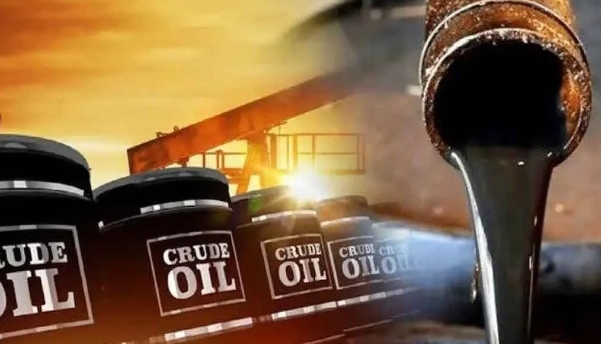
Lagos, Nigeria – Nigeria’s Bonny Light crude has risen above $110 per barrel, trading as high as $112 alongside other light sweet grades such as Qua Iboe. This surge comes as global benchmark Brent crude also reached $112 per barrel, its highest level since mid-2022, amid escalating tensions around the Strait of Hormuz linked to the ongoing US-Israel-Iran conflict, now in its third week.
Brent prices have climbed nearly 50% this month, while Murban crude has doubled in value. Analysts say sustained trading above $108 could push prices closer to the $120 highs recorded in 2022. This sharp increase far exceeds Nigeria’s 2026 budget benchmark of $64.85 per barrel, even as the country struggles to meet its OPEC production quota. In February, crude-only output dropped to 1.31 million barrels per day, below the 1.5 million bpd target.
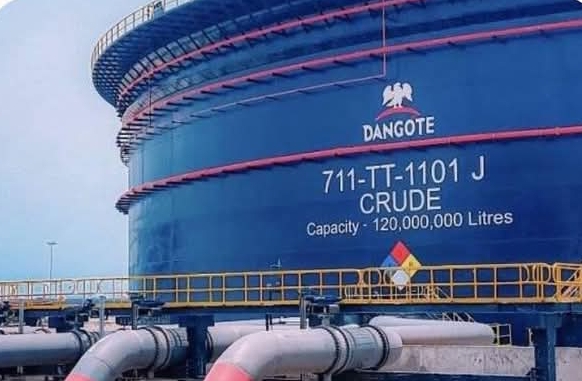
Despite efforts to stabilise the domestic market, including operations at the 650,000 barrels-per-day Dangote Refinery, fuel price volatility remains a concern. Rising pump prices are already impacting transportation costs and the prices of goods. Meanwhile, several African countries, including South Africa, Ghana and Kenya, are seeking access to refined products amid tightening global supply.
In a related development, the United States Treasury has temporarily eased sanctions on Iranian oil already in transit, allowing sales until April 19 and releasing an estimated 140 million barrels into the market. While China continues to dominate purchases through smaller independent refineries, the waiver is expected to broaden the pool of buyers.
However, concerns remain over the Strait of Hormuz, a critical route for about 20% of global oil supply. With tensions threatening to disrupt shipments, Gulf exports face increasing uncertainty.
On the diplomatic front, former US President Donald Trump has called for de-escalation focused on protecting energy infrastructure, while criticising NATO’s response. Israeli Prime Minister Benjamin Netanyahu has stated that Iranian facilities will not be targeted, even as Iran reportedly strikes locations in neighbouring Gulf states, adding pressure on OPEC supply dynamics.

Business
 News MasterUpdated 4 hours Ago1 Mins read
Bonny Light Climbs Above $110 as Iran Conflict Drives Oil Prices Higher
News MasterUpdated 4 hours Ago1 Mins read
Share




Related Articles

Business
Nigeria Explores New Gas Pipeline to Boost Exports to Europe
The Nigerian government has launched intensified discussions to develop a multi‑billion-dollar gas...

Business
African Nations Look to Dangote Refinery to Secure Fuel Supplies
Several African countries, including South Africa, are turning to Nigeria’s Dangote Petroleum...

Business
U.S. Targets Overstaying Visitors with New Bond Requirement
The United States government is expanding a travel policy that requires citizens...
Business
Dangote Refinery Raises Fuel Cost Again as Petrol Nears ₦1,300 Per Litre
Nigeria’s fuel market has recorded another upward shift as the Dangote Petroleum...




Leave a comment