Opposition parties in Nigeria are ramping up preparations for the 2027 general elections, with the African Democratic Congress (ADC) and the Peoples Democratic Party (PDP) expressing confidence in their ability to challenge the ruling All Progressives Congress (APC), despite its dominance across 31 states.
A major development is the planned defection of Rabiu Musa Kwankwaso, leader of the Kwankwasiyya Movement, to the ADC. He is expected to formally join the party in Kano, a move that has already triggered nationwide mobilisation among his supporters. The movement says the decision aligns with its commitment to democratic values and effective governance.
Kwankwaso’s recent meeting with key political figures, including Peter Obi, Seriake Dickson, and Seyi Makinde, has further fueled speculation of a broad opposition alliance. Analysts believe such collaboration could reshape the political landscape by combining strong regional and youth support bases.
His decision to join the ADC reportedly followed unsuccessful negotiations with the APC, where he had sought a clearly defined role, including a vice-presidential slot, demands party stakeholders declined.
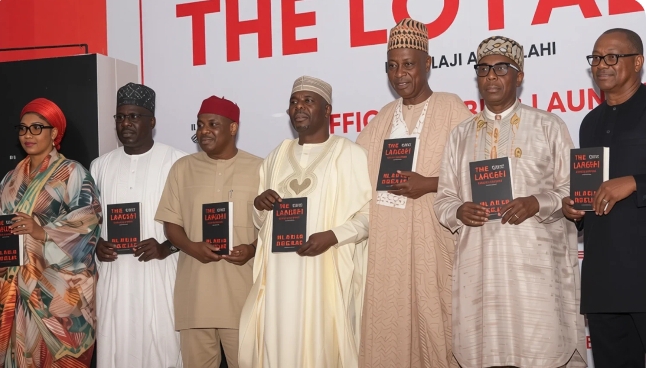
Within the ADC, discussions are ongoing about adopting a consensus method to select its presidential candidate. The party’s spokesperson, Bolaji Abdullahi, described consensus as the most cost-effective and strategic option, noting that indirect primaries are no longer viable under the amended Electoral Act.
Several prominent figures, including Atiku Abubakar, Peter Obi, and Rotimi Amaechi, have been linked to the ADC’s presidential ticket, though none has formally declared interest. Meanwhile, support groups such as the Village Boys Movement are actively campaigning for Obi to secure the ticket, citing growing grassroots backing nationwide.
Former Ekiti State Governor Ayodele Fayose has also weighed in, warning that the ADC’s chances in 2027 could depend heavily on Obi’s inclusion. He suggested that without Obi, the party’s prospects may weaken significantly.
On its part, the PDP is holding its National Convention in Abuja, with over 2,000 delegates participating. Party leaders, including FCT Minister Nyesom Wike, have reaffirmed confidence in the PDP’s readiness for the elections, despite internal crises and defections.
Former Senate President Bukola Saraki described the convention as a turning point, noting that it reinforces the party’s eligibility to contest and strengthens internal unity. Party elders, including Sule Lamido, have also called for reconciliation among aggrieved members to rebuild a stronger opposition.
However, concerns persist within the PDP over alleged interference by the ruling APC. Party chieftain Olabode George accused the government of attempting to weaken opposition parties, warning that such actions could threaten Nigeria’s democratic stability.
Amid these developments, PDP presidential aspirant Gbenga Hashim has intensified efforts to build a cross-party coalition, stressing the need for unity to counter what he described as a drift toward a one-party system. He also criticised the electoral timetable set by INEC, arguing that it places undue pressure on opposition parties.
With shifting alliances, strategic consultations, and growing grassroots mobilisation, Nigeria’s opposition landscape appears set for significant realignment ahead of the 2027 elections.

Politics
 News MasterUpdated 3 hours Ago2 Mins read
ADC Eyes Consensus Candidate as PDP Intensifies Search Ahead of 2027 Elections
News MasterUpdated 3 hours Ago2 Mins read
Share



Related Articles

Politics
Lagos 2027: PDP Aspirant Adeoye Vows to End APC Rule, Raises Concerns Over Housing, Jobs
A governorship aspirant of the Peoples Democratic Party (PDP) in Lagos State,...
Politics
Atiku Debunks Retirement Rumours, Says He Remains Active in Politics
Former Vice President Atiku Abubakar has dismissed reports suggesting that he has...
Politics
House of Representatives Set to Vote on Women’s Reserved Seats Proposal
Members of the House of Representatives are preparing to vote on a...
Politics
Otti: My Focus Is Abia, Not Opposing Tinubu’s 2027 Bid
Governor Alex Otti has stated that he is not in a position...




Leave a comment