An American-born Israeli soldier has been killed during combat operations in southern Lebanon, according to Israeli officials.
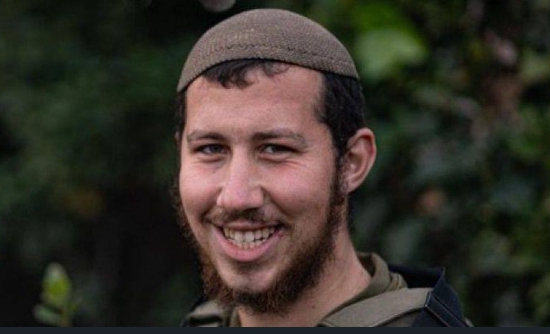
Sgt. Moshe Yitzchak Hacohen Katz, 22, who was originally from New Haven, Connecticut, was serving in the Israel Defense Forces (IDF) Paratroopers Brigade. The IDF confirmed his death and said he was posthumously promoted from corporal to sergeant. He was assigned to the 890th Battalion.
Israeli Prime Minister Benjamin Netanyahu said Katz had enlisted in the IDF after relocating to Israel, though he did not disclose how long he had been in service. In a statement, Netanyahu expressed condolences to the family and wished a swift recovery to injured soldiers involved in the same incident.
“On behalf of all citizens of Israel, we embrace the family of the late Moshe in their difficult time… May his memory be blessed,” Netanyahu said.
Family members described Katz as a dedicated and positive young man. His great-uncle, Rabbi Yehoshua Hecht, told Army Radio that Katz was “a very special young man” who “enjoyed every moment of life,” adding that he was religious and academically inclined.
The IDF did not provide specific details about the circumstances of his death, only confirming it occurred during combat in southern Lebanon, where Israeli forces have been engaged in ongoing clashes with Hezbollah, a group backed by Iran.
The conflict in the region has intensified alongside wider tensions involving Iran. Reports indicate that multiple Israeli soldiers have been killed in Lebanon since the beginning of March.
Meanwhile, humanitarian concerns are growing in Lebanon. The United Nations refugee agency has warned of a worsening crisis, noting that roughly one million people, about one in five residents, have been displaced from their homes. Israeli authorities have also urged civilians in several southern Lebanese areas to evacuate amid continued military operations.
According to the National Institute for Security Studies in Israel, more than 1,100 people have been killed in Lebanon since the escalation of hostilities linked to the broader regional conflict.

Featured
 News MasterUpdated 2 hours Ago1 Mins read
American-born Israeli Soldier Killed in Southern Lebanon Combat
News MasterUpdated 2 hours Ago1 Mins read
Share





Related Articles
Featured
Over 620,000 Women and Girls Displaced in Lebanon Crisis – UN Women
The United Nations Women has expressed concern over the worsening humanitarian conditions...
Featured
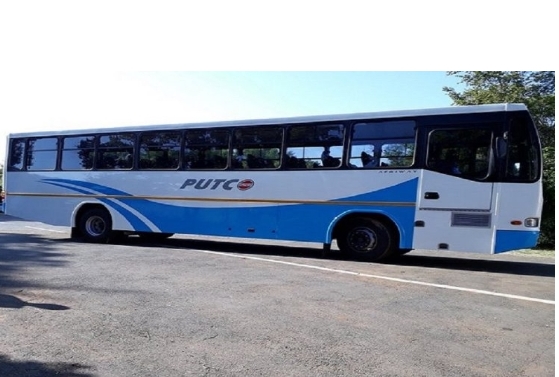
PUTCO Hosts Driver Safety Workshop in South Africa Ahead of Easter Travel Surge
Bus operator PUTCO has held a defensive driving workshop in Dobsonville, Soweto,...

Featured
High Court Rejects MKP Bid to Stop Batohi’s Pension Payout
The Gauteng High Court has dismissed, with costs, an application by the...
Featured
AmaXhosa Royal Family Vows to Defend Eastern Cape Sovereignty
The AmaXhosa Royal Family has reaffirmed its commitment to protecting the sovereignty...



Leave a comment