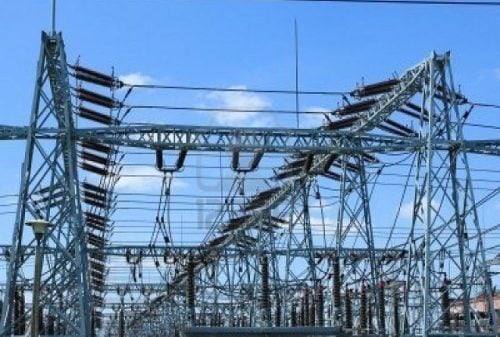
Power generation companies in Nigeria have expressed concern over the Federal Government’s recently announced ₦3.3 trillion debt settlement plan for the electricity sector, stating that they have yet to receive any payments despite earlier promises.
The Presidency recently confirmed that President Bola Tinubu approved a repayment strategy to resolve outstanding debts in the power sector accumulated over the last decade. Implementation has begun, with some power plants entering settlement agreements and partial payments made, but GenCos say the actual payment process remains unclear.
Leaders of the Power Generation Companies (GenCos) argue that the new debt figure is inconsistent with previously reconciled amounts and insist that the total owed—especially to generation firms and gas suppliers—is significantly higher than the current number presented.
Unpaid obligations have affected electricity supply, with some gas suppliers reducing output due to unsettled bills. Industry stakeholders are urging the government to provide a clear breakdown of the debt components, including generation, gas supply, and other value‑chain obligations, to restore confidence in the settlement process.
Business
 News MasterUpdated 8 hours Ago1 Mins read
Power Companies Demand Explanation on ₦3.3 Trillion Debt Plan
News MasterUpdated 8 hours Ago1 Mins read
Share



Related Articles
Business
Development Bank of Nigeria Schedules 9th AGM in Abuja
The Development Bank of Nigeria (DBN) Plc has announced that it will...
Business
Nigerian Oil Marketers Reel from Sharp Revenue Drop
In 2025, the financial performance of publicly traded fuel marketing firms in...

Business
Nigeria’s Rising Oil Output Sparks Calls for Local Refinery Boost
Nigeria’s average daily crude oil output has reached about 1.8 million barrels, a...
Business
Nigerians Spend Most of Their Income on Transport Amid Fuel Price Surge
Nigerians are facing financial strain as rising fuel prices push transport costs...



Leave a comment