Several civil society organisations, together with the Nigeria Labour Congress (NLC), have openly criticised the Federal Government’s financial strategies, saying the country’s growing debt and economic decisions have deepened hardship for ordinary Nigerians.
At a press briefing in Abuja on Tuesday, NLC Assistant General Secretary Eustace James argued that policies meant to improve the economy have instead made life more difficult for citizens. He said expected gains from ending the fuel subsidy have yet to materialise in improved public services, leaving people worse off.
James also condemned the current structure of electricity charges, saying Nigerians are forced to pay high tariffs without reliable power supply.
Auwal Rafsanjani, head of the Civil Society Legislative Advocacy Centre, said the government’s borrowing—reportedly topping ₦60 trillion—has not translated into better living standards. He noted that with debt rising, everyday costs such as transportation and housing have become increasingly unaffordable. He also criticised the National Assembly for approving loans without thorough scrutiny.
Leaders from ActionAid Nigeria added that budget figures often grow during legislative review, raising questions about fiscal discipline and transparency. They urged policymakers to prioritise spending that directly benefits citizens and to consider targeted support for transport costs.
Others at the briefing warned that the country’s budget deficit and borrowing trajectory risk breaching statutory limits and stressed the need for urgent economic reforms to protect Nigerians’ welfare.

Featured
 News MasterUpdated 11 hours Ago1 Mins read
Civil Groups, Labour Union Blast Government Over Mounting Debt and Economic Hardship
News MasterUpdated 11 hours Ago1 Mins read
Share
Related Articles
Featured
CSOs Lament Rising Poverty Despite Over N100trn Budgets in Two Years
A coalition of civil society organisations (CSOs) has raised alarm over worsening...
Featured
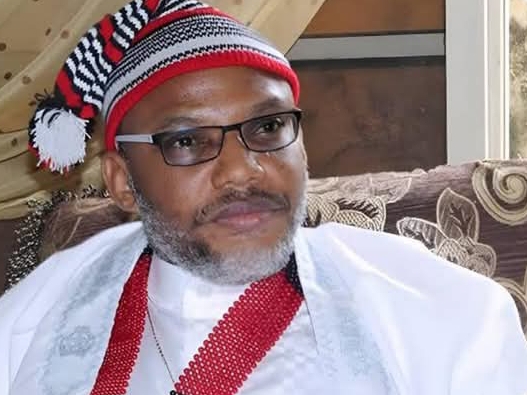
Legal Battle Continues for Nnamdi Kanu as Appeal Progresses
The legal team representing Nnamdi Kanu, leader of the Indigenous People of...
Featured
Prominent Politicians Rally in Support of ADC Amid Election Body Controversies
Several notable political figures, including former Vice President Atiku Abubakar, presidential candidate...
Featured
Church Outreach in Lagos Distributes Food to Hundreds of Needy Residents
The Ajah regional arm of the Mountain of Fire and Miracles Ministries...


Leave a comment