Nigerians have continued to express concern over the numerous road taxes and levies imposed on motorists and commercial transport operators, despite the Federal Government’s declaration that it has abolished road tax.
Across different states, transport operators say the reality on ground differs from the government’s position, as they are subjected to multiple daily and weekly payments by various unions, agencies, and task forces.
A tricycle operator, known on X as @Onihax, who plies routes between Lagos and Ogun States, shared his experience, describing the business as far from the “quick profit” narrative often circulated online. He explained that beyond the cost of acquiring a tricycle, operators face constant financial pressure from tickets, levies, fuel costs, maintenance, and informal charges.
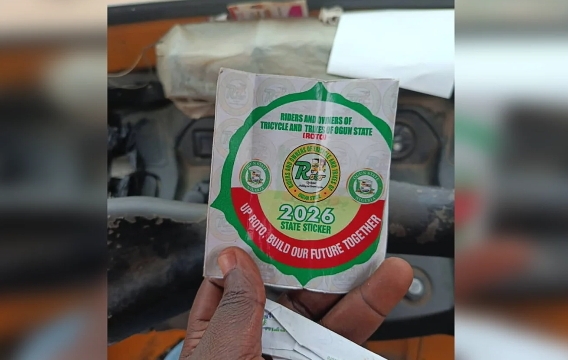
According to him, in Lagos alone, riders pay for main tickets, union-related fees, and other charges, alongside additional payments when stopped by enforcement agencies. He added that similar and sometimes higher levies exist in Ogun State, including multiple union stickers, permits, and daily payments that significantly reduce earnings.
He also highlighted daily expenses such as fuel, repairs, hire-purchase repayments, and feeding, noting that these costs leave little profit at the end of each day. He argued that the sector is heavily burdened, stressing that many operators are struggling to sustain their livelihoods.
The rider further lamented the pressure to purchase multiple stickers annually, warning that failure to comply often attracts penalties or repeated payments when stopped by authorities.
Other transport operators across the country have echoed similar concerns. A keke rider in Calabar, Cross River State, described ongoing informal payments and task force activities despite government interventions, while another contributor called for stricter regulation of roadside unions and agents.
The complaints highlight growing frustration among transport workers, who say the combination of formal and informal levies continues to make operations difficult, raising questions about enforcement and consistency with federal policy.

National
 News MasterUpdated 2 hours Ago1 Mins read
Nigerians lament multiple road levies despite FG’s stance on road taxes
News MasterUpdated 2 hours Ago1 Mins read
Share



Related Articles
National
Akpabio Commissions Key Projects in Lagos, Urges States to Embrace Modern Development
Senate President Godswill Akpabio has called on states across Nigeria to take...
National
Two Years On, Calls Grow for Release of Okuama Detainees
Human rights lawyer and activist, Frank Tietie, has urged the Nigerian military...
National
World Bank Warns Rising Poverty Could Undermine Nigeria’s Economic Future
The World Bank has raised concerns that widespread multidimensional poverty in Nigeria...
National
Why Electricity Supply Worsens Between February and April in Nigeria
Nigeria’s electricity supply predictably declines between February and April each year, and...


Leave a comment