The United States Department of State has approved the departure of non-emergency personnel and their family members from the U.S. Embassy in Abuja, citing growing security concerns across Nigeria.
In an updated travel advisory issued on Wednesday, the Department said the decision followed a worsening security environment, including rising cases of crime, terrorism, kidnapping, and civil unrest.
Effective April 8, 2026, the advisory urged American citizens to reconsider travel to Nigeria. The country was categorized under “Level 3: Reconsider Travel,” while several regions were placed under “Level 4: Do Not Travel,” the highest risk category.
As part of the update, Plateau, Jigawa, Kwara, Niger, and Taraba states were added to the list of areas Americans are strongly advised to avoid, bringing the total number of high-risk states to 23.
According to the advisory, U.S. government personnel not required for emergency duties, along with their families, have been authorized to leave Abuja due to the deteriorating security situation.
The statement highlighted ongoing threats across the country, including violent crime, terrorism, kidnapping, and instability in some regions. It also noted that access to healthcare services remains inconsistent and often falls below international standards.
The advisory further identified several states in northern Nigeria, such as Borno, Adamawa (northern areas), Yobe, Kogi, Niger, Kwara, Plateau, Taraba, Jigawa, Bauchi, Gombe, Kaduna, Kano, Katsina, Sokoto, and Zamfara, as areas where travel is strongly discouraged due to terrorism, armed banditry, and kidnapping.
In southern Nigeria, states including Abia, Anambra, Bayelsa, Delta, Enugu, Imo, and Rivers (excluding Port Harcourt) were also listed as high-risk areas because of crime, kidnapping, and civil unrest. The Department warned that violent incidents such as armed robbery, carjacking, and abductions for ransom are common, with foreigners often perceived as lucrative targets.
The advisory also cautioned that terrorist attacks could occur without warning in public places such as markets, shopping centers, hotels, religious venues, and large gatherings.
U.S. authorities advised citizens traveling to Nigeria to enroll in the Smart Traveler Enrollment Program (STEP) for real-time updates, avoid protests and large crowds, remain vigilant, and take personal safety precautions, including contingency planning.
The update underscores ongoing concerns by the U.S. government over security conditions in parts of Nigeria.

State News
 News MasterUpdated 5 hours Ago1 Mins read
U.S. Orders Embassy Staff Exit Abuja, Flags 23 Nigerian States as High-Risk Areas
News MasterUpdated 5 hours Ago1 Mins read
Share





Related Articles
State News
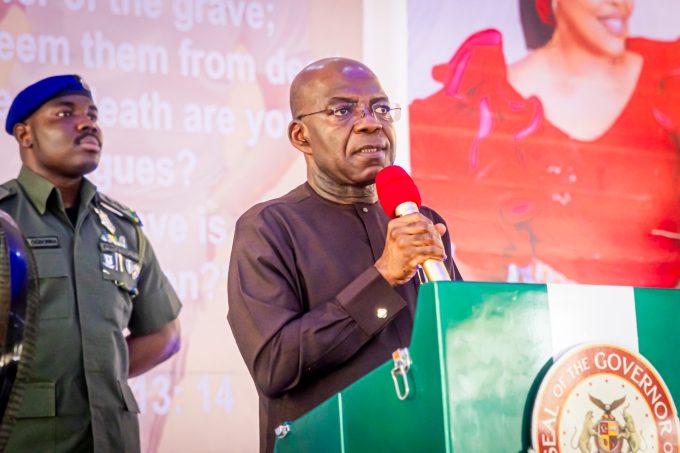
GOV. OTTI APPROVES ERECTION OF MONUMENTS IN HONOUR OF ABIA WOMEN, CONDOLES HON. IBEKWE AS HE BURIES WIFE.
Abia State Governor, His Excellency, Dr Alex Otti, OFR, has announced his...

State News
Yusuf Clears N32bn Gratuities, Death Benefits Backlog in Kano
Kano State Governor, Abba Kabir Yusuf, has approved the payment of N32...
State News
Ibadan Poised for Economic Breakthrough, Experts Say
Ibadan, the capital of Oyo State, is being recognized as a city...
State News
Akwa Ibom Assembly Passes Bill to Reform Mental Healthcare
The Akwa Ibom State House of Assembly has passed a new bill...



Leave a comment