Nigeria’s electricity supply predictably declines between February and April each year, and this recurring pattern is not accidental. It stems from a combination of rising demand caused by intense heat and reduced power generation linked to seasonal water levels. Together, these forces strain an already fragile power system that lacks the capacity to absorb such shocks.
A predictable annual crisis
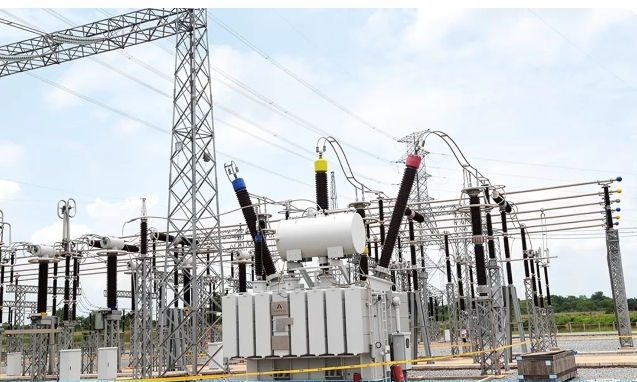
Nigeria’s power sector is widely known for underperformance. Although the country has an installed capacity of about 13,000 megawatts, actual electricity generation typically ranges between 4,000 and 5,000 megawatts. This gap is due to persistent issues such as gas shortages, ageing infrastructure, transmission limitations, and financial inefficiencies across the sector.
However, beyond these ongoing challenges lies a clear seasonal pattern. The February–April period consistently brings the worst power supply conditions, driven by two overlapping factors: a surge in electricity demand and a drop in supply. Despite this predictable trend, the system continues to treat it as an unexpected crisis rather than a recurring event that can be planned for.
Heat-driven demand surge
As the harmattan season ends around February, Nigeria experiences some of its hottest months. Temperatures often rise above 35°C nationwide, with even higher peaks in the northern regions. These conditions significantly increase the use of cooling appliances such as air conditioners, fans, and refrigerators.
This spike in cooling demand pushes electricity consumption to its annual peak. Even lower-income households contribute to this increase as more people rely on basic cooling devices. Additionally, water usage rises during the heat, leading to increased electricity demand for pumping and storage.
Despite this predictable surge, Nigeria’s electricity planning largely ignores seasonal demand variations, focusing instead on yearly averages. As a result, the system is unprepared for the heightened pressure during these months.
Decline in hydropower generation
At the same time demand is rising, electricity supply, especially from hydropower, declines. Nigeria’s major hydroelectric plants, including Kainji, Jebba, Shiroro, and Zungeru, depend on water levels that follow a seasonal cycle.
Water levels peak during the rainy season between August and October but drop significantly during the dry months. By February and March, reservoir levels are at their lowest, reducing the amount of electricity these plants can generate. In some cases, hydropower output falls by as much as 40 percent.
This reduction removes a significant portion of the country’s electricity supply at the very time it is most needed.
Weak thermal backup
In theory, gas-fired power plants should compensate for the drop in hydropower. However, these plants are plagued by their own challenges, including unreliable gas supply, pipeline vandalism, poor maintenance, and financial instability within the power sector.
As a result, only a fraction of thermal capacity is operational at any given time. This leaves the grid with little to no reserve capacity. When demand rises and supply falls simultaneously, the system has no buffer, leading to frequent outages and load shedding.
A system without reserves
A well-functioning power system typically maintains extra capacity, known as a reserve margin, to handle unexpected spikes in demand or drops in supply. Nigeria’s grid operates with almost no such reserve.
This means that when the seasonal “supply-demand gap” widens, outages become inevitable. Rather than being a failure in those moments, blackouts are effectively the system’s only way of balancing limited supply with rising demand.
Policy and planning gaps
The persistence of this annual crisis highlights deeper governance issues. While data on weather patterns, water levels, and electricity generation are readily available, they are not effectively used for planning.
Policy discussions often focus heavily on tariff reforms, but higher tariffs alone cannot address seasonal shortages caused by low water levels or gas supply disruptions. More importantly, existing planning frameworks do not account for seasonal variations in demand and supply, making them inadequate for tackling this recurring problem.
A structural imbalance
At its core, Nigeria’s electricity challenge is worsened by a mismatch in its energy mix. Hydropower, one of the country’s key energy sources, produces less electricity during peak demand periods. Meanwhile, thermal plants, which should provide stability, are too unreliable to fill the gap.
This creates a system where supply falls precisely when demand is highest, leading to a concentrated annual crisis layered on top of year-round inefficiencies.
Looking ahead
Addressing Nigeria’s electricity challenges requires tackling both the chronic weaknesses in the system and the seasonal factors that intensify them. Ignoring either dimension will limit progress.
The February–April electricity shortfall is not a surprise, it is a predictable outcome of known conditions. Effective reform will depend on recognising this pattern and designing policies and infrastructure that can withstand it.

National
 News MasterUpdated 4 hours Ago3 Mins read
Why Electricity Supply Worsens Between February and April in Nigeria
News MasterUpdated 4 hours Ago3 Mins read
Share






Related Articles
National
Akpabio Commissions Key Projects in Lagos, Urges States to Embrace Modern Development
Senate President Godswill Akpabio has called on states across Nigeria to take...
National
Two Years On, Calls Grow for Release of Okuama Detainees
Human rights lawyer and activist, Frank Tietie, has urged the Nigerian military...
National
World Bank Warns Rising Poverty Could Undermine Nigeria’s Economic Future
The World Bank has raised concerns that widespread multidimensional poverty in Nigeria...
National
Finality of Supreme Court Decisions Must Earn Public Trust – Osinbajo
Former Vice President, Prof. Yemi Osinbajo, has expressed concern over how Nigerians...




Leave a comment