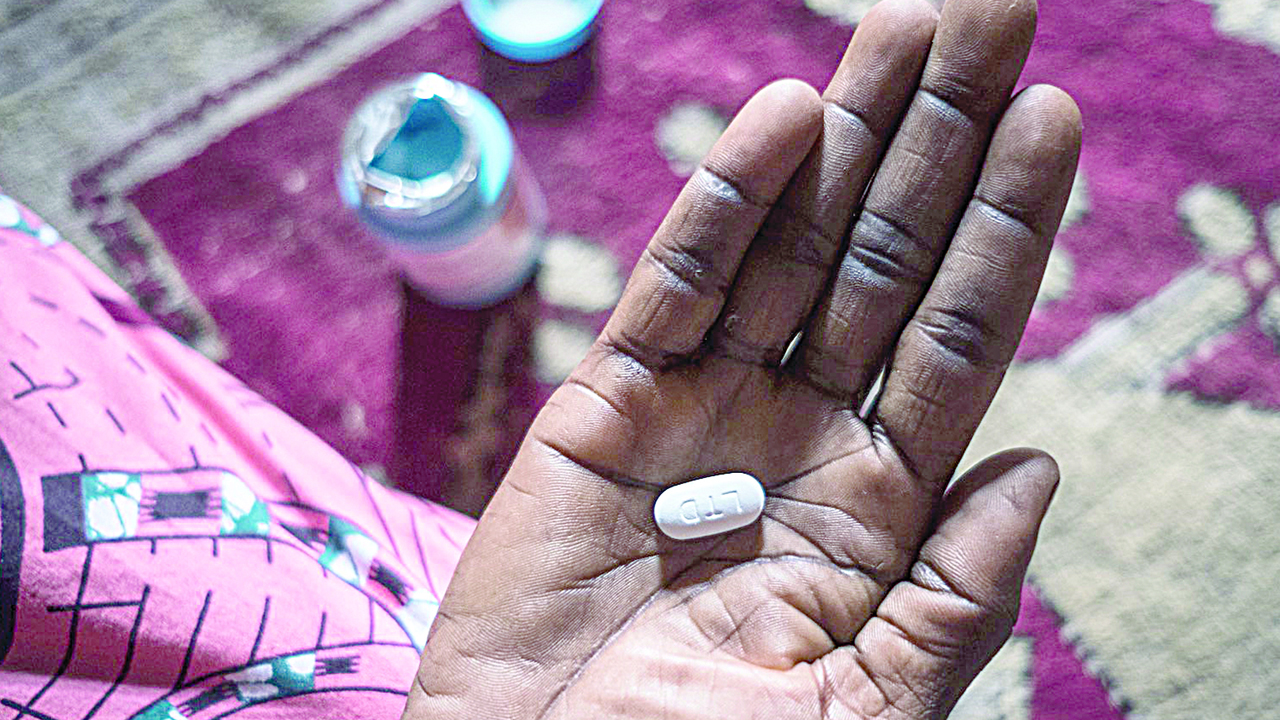
The United States has delivered a new HIV prevention drug, Lenacapavir, to Eswatini and Zambia, marking a significant step in efforts to combat the virus in Africa. A total of 1,000 doses have arrived and will begin being administered this week, according to Peter Sands, executive director of the Global Fund to Fight AIDS, Tuberculosis, and Malaria.
Lenacapavir, an injectable treatment taken just twice a year, is seen as a major advancement over daily HIV medications. Manufactured by US-based Gilead Sciences, the drug could substantially reduce new infections, particularly among pregnant and breastfeeding women.
Jeremy Lewin, who coordinates aid at the US State Department, stated that Washington plans to fund two million doses for low- and middle-income African countries, with the goal of achieving full distribution by 2028, or possibly by mid-2027.
Daniel O’Day, Gilead Sciences’ CEO, highlighted the historic nature of the rollout, noting that this is the first time in history that an HIV medication is being distributed in Africa the same year it was approved in the United States. Plans are underway to expand access to Botswana, Kenya, Malawi, Rwanda, Namibia, Tanzania, and Zimbabwe.
The initiative comes after former President Donald Trump reduced global foreign assistance by more than 80 percent, including cuts to longstanding HIV prevention programs like PrEP. Critics have warned that such reductions could contribute to millions of preventable deaths worldwide.
Since 2010, global efforts have cut new HIV infections by 40 percent, but UNAIDS projects 1.3 million new infections in 2024, underlining the urgent need for new prevention strategies.

National
 News MasterUpdated 11 months Ago1 Mins read
US Sends New HIV Prevention Drug to Two African Nations
News MasterUpdated 11 months Ago1 Mins read
Share






Related Articles

National
Nigeria Moves Against South Africa Over Killing of Citizens, Demands Accountability
The Federal Government has intensified diplomatic pressure on South Africa following the...

National
Reps Approve Bill for New Federal Medical Centre in Ikwuano, Awaits Senate Approval
The House of Representatives has passed a bill sponsored by Hon. Obi...

National
FG Targets Malnutrition with New 10-Year Nutrition Policy
The Federal Government has taken a major step toward tackling malnutrition following...

National
Kalu’s Lawyers Reject Petition Seeking Revocation of Law School Certificate
Legal representatives of the Deputy Speaker of the House of Representatives, Benjamin...




Leave a comment