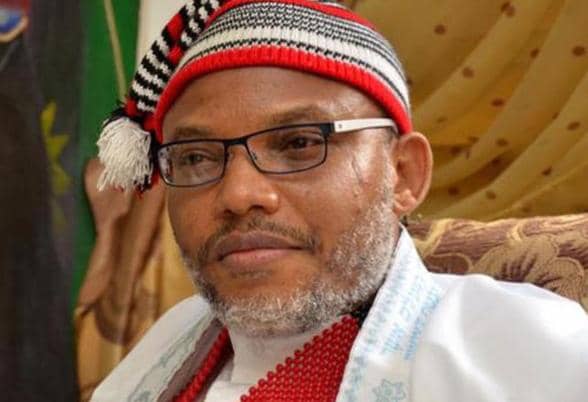
Detained IPOB leader, Nnamdi Kanu, is expected to learn his fate today as the Federal High Court in Abuja delivers a crucial ruling in his long-running legal dispute with the Federal Government.
Justice James Omotosho will rule on several applications filed by both parties, including Kanu’s challenge to the validity of the charges against him and his request for release on grounds of alleged unlawful detention and violation of his fundamental rights.
Kanu has been in DSS custody since June 2021 after his controversial return from Kenya—an operation his legal team insists amounted to extraordinary rendition. He currently faces seven terrorism-related charges, including incitement and leading an unlawful organisation—allegations he denies.
Justice Omotosho set today’s judgment date on November 7 after ruling that Kanu failed to open his defence despite being given six days to do so. The prosecution had closed its case after presenting five witnesses and several exhibits.
Rather than proceeding with his defence, Kanu filed a fresh motion arguing that the terrorism law under which he is being tried has been repealed, leaving the charges legally void. He asked the court to strike out the charges, nullify previous proceedings, expunge his plea, and order his release for lack of jurisdiction.
Justice Omotosho, however, held that Kanu could not claim denial of fair hearing after failing to use the opportunity provided to present his defence. The judge noted that despite repeated adjournments and appeals urging him to proceed, Kanu abandoned his defence to argue that the law no longer exists.
He stressed that the trial—filed since 2015 and reassigned earlier this year—has received accelerated hearing, and that Kanu effectively waived his right to defend himself.
Kanu’s case has travelled through multiple courts, including the 2022 Court of Appeal judgment that discharged him on grounds of illegal rendition. That ruling was overturned by the Supreme Court, which ordered his return to face trial.
His prolonged detention has drawn national and international concern, with several South-East groups urging his release as a step toward stabilising the region. The Federal Government insists he must answer to the charges.
Security has been tightened around the Abuja court as supporters, journalists, and observers await a judgment considered one of the most politically sensitive in recent years. Meanwhile, Kanu has also filed an appeal seeking to halt today’s ruling, though the appellate court has not fixed a hearing date.
Security Measures in Abia and Other States
In Abia, Kanu’s home state, police authorities say they have deployed security measures ahead of the judgment to prevent any breakdown of order. PPRO ASP Maureen Chinaka said the state remains calm, with joint security patrols operating statewide.
The police emphasised that they do not anticipate unrest but are prepared for any eventuality. No unusual security presence has been reported at Kanu’s Afaraukwu hometown as of the time of filing this report.
In Enugu, police officials declined to comment until after the judgment, while the Force Headquarters did not respond to enquiries.
Kanu Lodges Criminal Complaint Against DSS Witnesses
Separately, Kanu has filed a criminal complaint before a Chief Magistrate’s Court in Abuja, accusing two DSS witnesses—identified as TAA and BBB—of giving false testimony during his trial.
The complaint alleges perjury and cites relevant sections of the Penal Code, Administration of Criminal Justice Act, and the Constitution. Kanu claims both witnesses misrepresented key facts relating to his 2015 and 2021 statements, including their knowledge of DSS officers who allegedly conducted his interrogations.
He argues that their testimonies were intended to obscure the true chain of custody of his statements, which he has long contested as improperly obtained.
As the nation watches, today’s ruling is poised to shape not only the future of Nnamdi Kanu but also broader conversations on justice, security, and reconciliation in the South-East.

Featured
 News MasterUpdated 11 months Ago2 Mins read
Kanu Awaits Crucial Court Ruling Today as Legal Battle with Federal Government Reaches Decisive Stage
News MasterUpdated 11 months Ago2 Mins read
Share





Related Articles
Featured
ARTICLE: Service Beyond the Ballot: Chief Mascot Uzor Kalu’s Enduring Commitment to the People
Leadership is not defined solely by electoral victory or the office one...
Featured
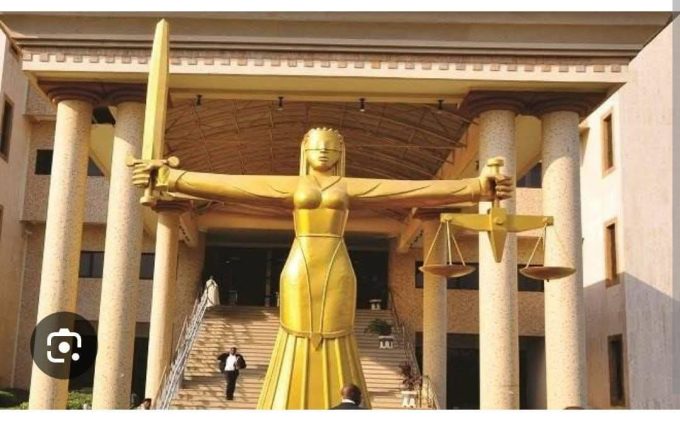
Supreme Court Set to Rule on PDP and ADC Leadership Disputes Today
Nigeria’s political landscape is on edge as the Supreme Court prepares to...
Featured
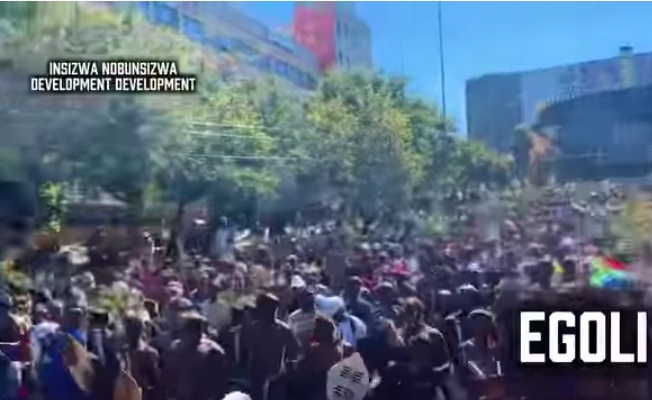
Mass Demonstrations in South Africa Highlight Rising Tensions Over Foreign Nationals
Large-scale demonstrations broke out across several major cities in South Africa as...

Featured
Article: Fixing Nigeria Starts with Fixing the States by Dr Uche Ogah
By Uche Ogah Nigeria’s development challenge is not merely a national dilemma....



Leave a comment