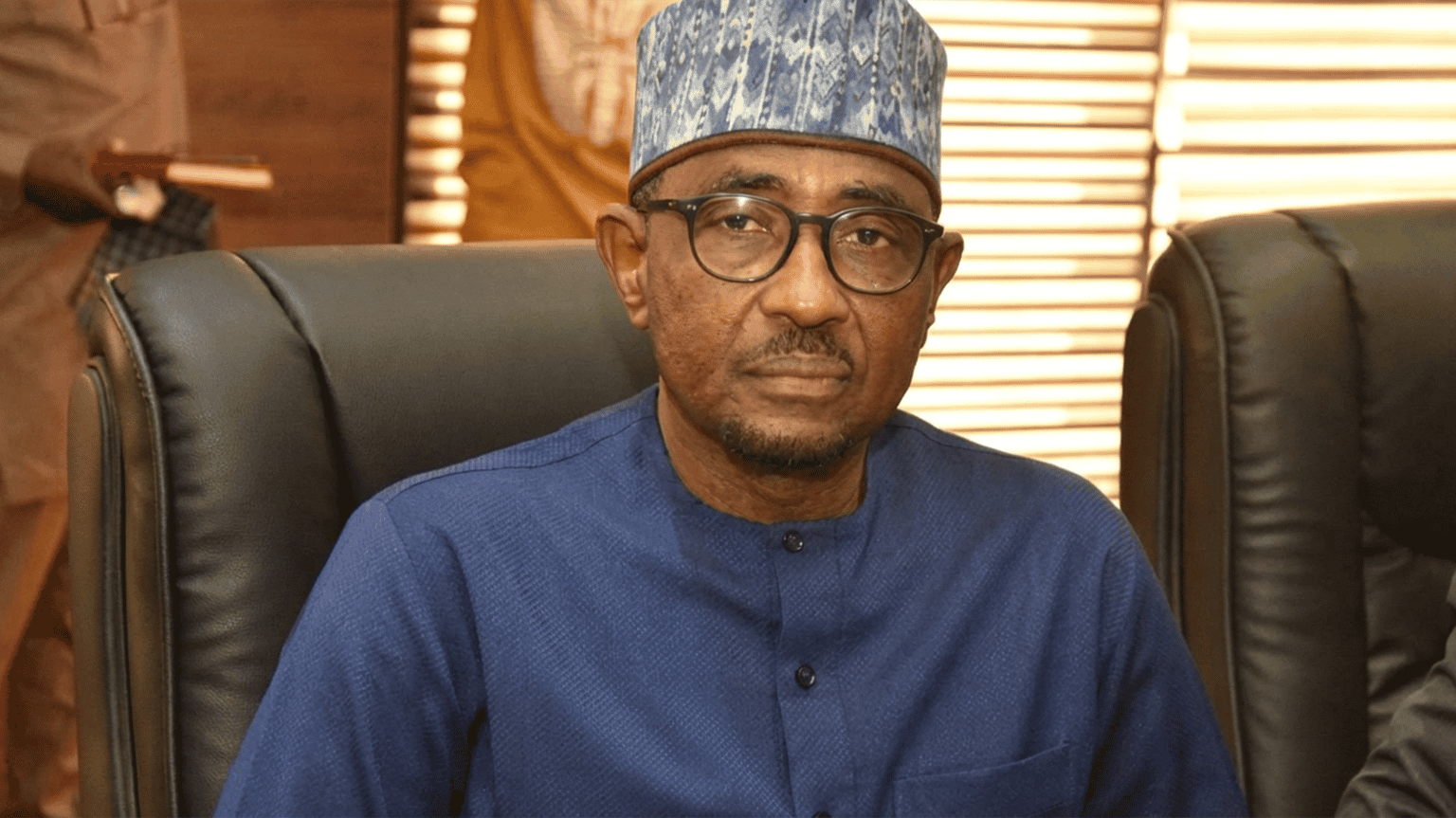
Outgoing Chief Executive Officer of the Nigerian Midstream and Downstream Petroleum Regulatory Authority (NMDPRA), Farouk Ahmed, has dismissed allegations that he spent about $5 million on his children’s education abroad, insisting that the expenses were covered through his earnings, scholarships and family support. He also invited anti-graft agencies to investigate his finances.
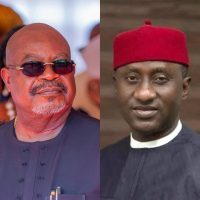
Ahmed’s response came amid sharp reactions to the recent shake-up in Nigeria’s petroleum regulatory leadership. Senator Adams Oshiomhole (APC, Edo North) disclosed that he celebrated the resignation of Ahmed and Gbenga Komolafe, former head of the Nigerian Upstream Petroleum Regulatory Commission (NUPRC), describing their exit as necessary for the country’s economic survival. Senator David Jimkuta (APC, Taraba South) reportedly joined him in the celebration.
At the same time, an environmental justice group, the Miideekor Environmental Development Initiative (MEDI), urged the incoming leadership of NMDPRA and NUPRC to urgently reform Nigeria’s oil sector divestment policies, warning that current practices were worsening environmental injustice in oil-producing communities.
In a statement, Ahmed said claims about his personal finances were misleading and ignored his more than 30 years of service in the petroleum sector. He disclosed that he earned about N48 million annually as NMDPRA chief executive, a figure he said was publicly available in the authority’s audited reports.
Tracing his career to 1991, Ahmed said he joined the then Department of Petroleum Resources (DPR) through a competitive civil service examination and rose through the ranks on merit. He said he served in key technical units, including crude oil marketing, gas supply monitoring and downstream operations, and became General Manager of the Crude Oil Marketing Division in 2012, overseeing a critical revenue stream during a turbulent period in the global oil market.
According to him, his appointment as NMDPRA chief executive in 2021 came with a mandate to implement the Petroleum Industry Act (PIA) transparently, a responsibility he said attracted resistance from vested interests used to regulatory opacity. He argued that the allegations against him coincided with stricter regulatory enforcement, including tighter licensing, improved quality control and more transparent pricing mechanisms.
On his children’s education, Ahmed said three of his four children benefited from merit-based scholarships covering between 40 and 65 per cent of tuition costs, while additional support came from an education foundation set up by his late father for his grandchildren before his death in 2018. He added that his own contributions were drawn from long-term savings, cooperative investments available to civil servants and family resources.
He maintained that the costs were consistent with his income and did not involve corruption. Ahmed also said he had consistently filed asset declarations with the Code of Conduct Bureau (CCB) throughout his public service career and authorised the schools attended by his children to release financial records to Nigerian investigators.
Ahmed further rejected claims that the issuance of import licences amounted to economic sabotage, saying the PIA mandates the authority to guarantee supply security whenever domestic production falls short.
Oshiomhole and Jimkuta made their remarks during the screening of President Bola Tinubu’s nominees for the leadership of NUPRC and NMDPRA. Tinubu had forwarded the names of Oritsemeyiwa Eyesan as CEO of NUPRC and Saidu Mohammed as CEO of NMDPRA to the Senate following the resignations of Ahmed and Komolafe, both appointed in 2021 under the PIA.
The leadership changes followed a public dispute between Ahmed and Dangote Group President, Aliko Dangote, who accused the NMDPRA boss of frustrating domestic refining through import licences and alleged corruption.
During the screening, Oshiomhole criticised what he described as “shameful policy choices” by the outgoing leadership, arguing that job creation depends on deliberate support for labour-intensive industries such as refineries, not sympathy for the unemployed.
MEDI, in a statement signed by its Team Lead, Celestine AkpoBari, welcomed the leadership changes, describing them as an opportunity to restore transparency, accountability and public trust in the petroleum sector. The group commended Tinubu for accepting the resignations and nominating new leaders, subject to Senate confirmation.
At the screening, Eyesan outlined a reform agenda focused on digitisation, asset integrity, stakeholder collaboration and full implementation of the PIA. She warned that regulators without digitised systems were losing money and wasting resources, stressing the need for data-driven, globally connected regulation.
Mohammed, on his part, pledged to strengthen local investment, boost gas supply and improve quality enforcement across the industry. He emphasised the importance of clear contractual frameworks, reliable gas networks and strong operational standards to attract investment and maximise the value of Nigeria’s energy resources.

National
 News MasterUpdated 10 months Ago3 Mins read
Ahmed defends finances, welcomes probe into children’s education funding
News MasterUpdated 10 months Ago3 Mins read
Share


Related Articles
National
Nigeria Moves Against South Africa Over Killing of Citizens, Demands Accountability
The Federal Government has intensified diplomatic pressure on South Africa following the...
National
Reps Approve Bill for New Federal Medical Centre in Ikwuano, Awaits Senate Approval
The House of Representatives has passed a bill sponsored by Hon. Obi...
National
FG Targets Malnutrition with New 10-Year Nutrition Policy
The Federal Government has taken a major step toward tackling malnutrition following...

National
Kalu’s Lawyers Reject Petition Seeking Revocation of Law School Certificate
Legal representatives of the Deputy Speaker of the House of Representatives, Benjamin...



Leave a comment