

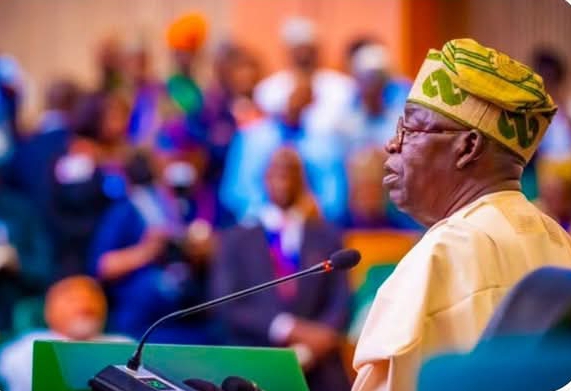
President Bola Tinubu has presented a N58.18 trillion 2026 budget to the National Assembly, with figures showing that debt servicing alone will take about N15.52 trillion, accounting for more than 27 per cent of the total expenditure.
The proposed spending plan, described by the administration as a budget aimed at consolidation and economic resilience, allocates N26.08 trillion to capital projects, while recurrent non-debt expenditure is estimated at about N15 trillion.
Concerns have emerged over the growing share of national resources devoted to debt repayment, as critics argue that the trend limits funds available for social services, infrastructure, and economic development. They contend that despite claims of economic recovery, many Nigerians continue to struggle with rising living costs and limited job opportunities.
The opposition has also questioned fiscal discipline, citing the continued overlap of previous budgets alongside the new proposal, a situation they say weakens transparency and effective financial planning.
As lawmakers begin scrutiny of the budget, discussions are expected to focus on the sustainability of Nigeria’s debt profile, economic growth projections, and the government’s ability to address inflation, poverty, and security challenges in the coming year.







Leave a comment