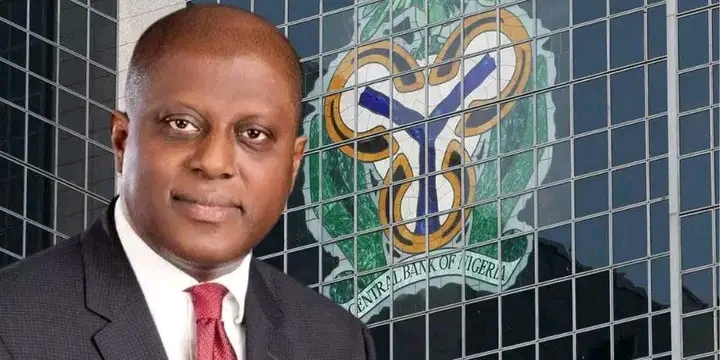
The Central Bank of Nigeria (CBN) has directed banks, financial institutions, and payment service providers to implement dual routing for all Point-of-Sale (PoS) transactions to tackle recurring system failures and strengthen the country’s digital payments infrastructure.
According to a circular issued by the CBN’s Payments System Supervision Department, all PoS transactions—both physical and electronic—must now be routed simultaneously through Nigeria’s two licensed Payment Terminal Service Aggregators: the Nigeria Inter-Bank Settlement System (NIBSS) and Unified Payment Services Limited (UPSL). This automatic failover system is designed to maintain transaction continuity whenever one platform experiences technical disruptions.
The CBN also requires NIBSS and UPSL to validate their systems’ capacity to handle seamless transaction processing. Any outages must be reported immediately, with a detailed incident report submitted within 24 hours.
Institutions have until mid-January 2026 to fully integrate and demonstrate compliance with the new routing requirements. Failure to meet the deadline may attract regulatory sanctions.
PoS terminals are vital to Nigeria’s cashless economy, facilitating millions of daily transactions across retail outlets, transport services, hospitality businesses, and informal markets. By enforcing dual routing, the CBN aims to eliminate single points of failure, boost transaction success rates, and restore confidence in digital payment channels.
The directive complements previous CBN initiatives, including PoS geo-tagging and the adoption of modern payment messaging standards, reflecting the regulator’s commitment to modernizing and future-proofing Nigeria’s payments ecosystem.

Business
 News MasterUpdated 9 months Ago1 Mins read
CBN Mandates Dual PoS Routing to End Transaction Failures, Compliance Required by January 2026
News MasterUpdated 9 months Ago1 Mins read
Share



Related Articles
Business
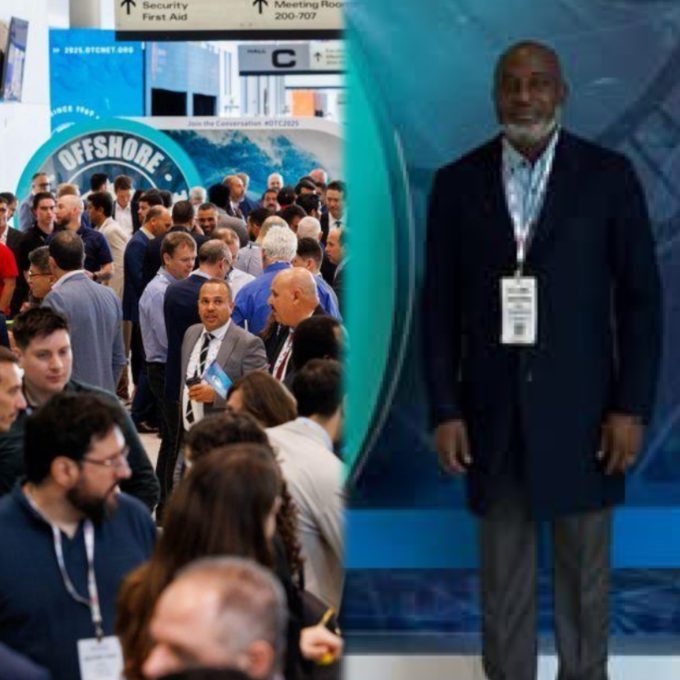
Hon. Amobi Ogah Engages Global Stakeholders at OTC Texas As Nigeria’s Energy Future Comes in Focus
U.S., Texas — Nigeria’s push for innovation and global collaboration in the...

Business
Fear of Oil Glut as NNPCL Raises Crude Prices Across Grades
Concerns are growing over a possible global oil glut as the Nigerian...
Business
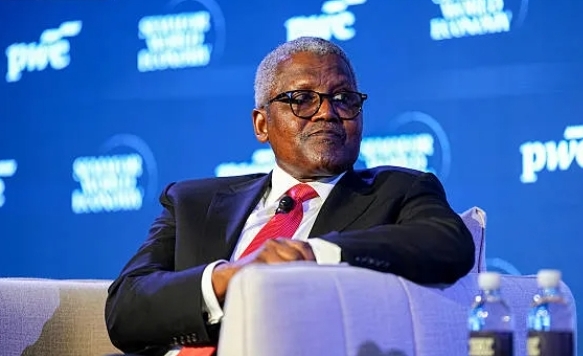
Aliko Dangote’s Wealth Climbs to $34bn After $216m Single-Day Surge
Africa’s richest man, Aliko Dangote, has seen his net worth rise to...
Business
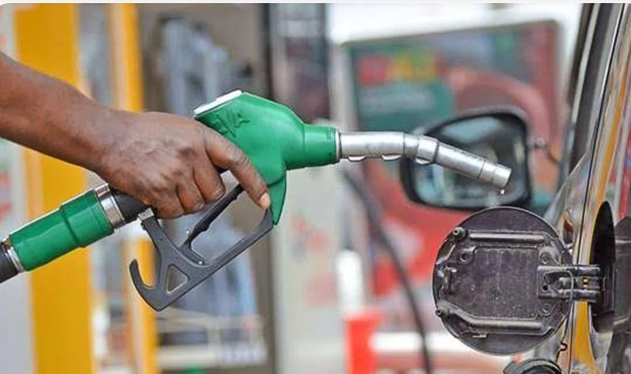
Nigeria’s Petrol Price Drops 15.6% Year-on-Year – NBS
The average retail price of petrol in Nigeria declined by 15.6 per...




Leave a comment