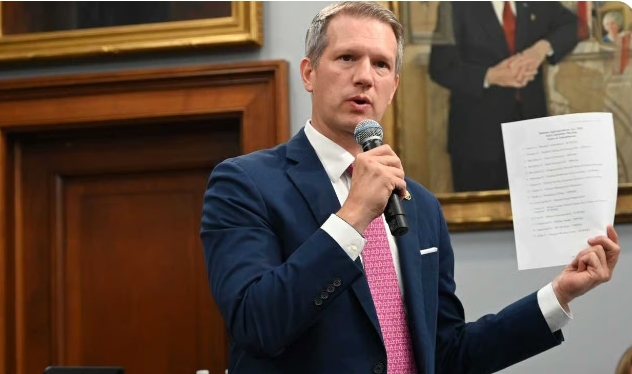
A United States congressman, Riley M. Moore, has disclosed that the White House will soon develop options aimed at protecting Christians in Nigeria from attacks by Islamist extremists.
Moore made the disclosure amid growing debate in Washington over allegations of persecution of Christians in Nigeria. However, Nigeria’s Presidency has rejected claims that the country’s security challenges are rooted in religious conflict, insisting that insecurity affects Nigerians of all faiths.
In a post on his X handle on Wednesday, Moore said he would soon brief U.S. President Donald Trump on findings from his recent fact-finding mission to Nigeria. He explained that the briefing would enable the White House to consider concrete steps to protect Christians in the country.
The congressman was reacting to testimony by Bishop Robert Barron before U.S. lawmakers on allegations of a “Christian genocide” in Nigeria. Moore said the U.S. government was taking the claims seriously.
“Thank you, Bishop Barron, for shedding light on how our brothers and sisters in Christ are being persecuted for their faith in Nigeria,” Moore wrote. “You are right; I will be briefing the White House on this issue very soon to give them options on how to protect Christians in Nigeria.”
He added that beyond the recently passed Fiscal Year 2026 National Security, Department of State, and Related Programs (NSRP) bill, which, according to him, promotes U.S. security, human dignity and religious freedom, the House Appropriations Committee would soon submit a report to President Trump on the situation in Nigeria, focusing on facts, oversight and leadership.
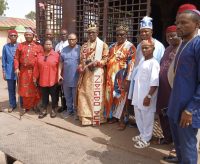
Meanwhile, the Presidency has cautioned against framing Nigeria’s security challenges as a religious war. The Senior Special Assistant to the President on Chieftaincy Matters, Abba Hashim, stated the government’s position during a meeting with the Methodist Archbishop of Anambra, Dr. Vincent Onoh, as part of ongoing engagements with religious leaders on peace, unity and national stability.
Hashim warned that narratives describing Nigeria’s insecurity as genocide or faith-based violence could deepen divisions and weaken national cohesion.
“What is most important for Nigeria now is togetherness,” he said. “We should put aside our differences, Muslims, Christians and even those without religion. We should not be driven by stories that we all know are false.”
Responding to claims of mass killings and abductions of Christians, Hashim maintained that insecurity in Nigeria cuts across religious lines, particularly in areas affected by violent conflict.
The federal government, he stressed, remains committed to addressing insecurity as a national challenge rather than a religious one.

NEWS
 News MasterUpdated 8 months Ago2 Mins read
U.S. to Propose Measures to Protect Christians in Nigeria – Moore
News MasterUpdated 8 months Ago2 Mins read
Share

Related Articles
NEWS
SUNDAY VINE – Topic: When God Says, “Move Forward By Dr Uche Ogah
There are moments in life when everything appears to stand still. You...
NEWS
Sunday Vine – Topic: When God Says, “Move Forward
There are moments in life when everything appears to stand still. You...

NEWS
Dr. Patience Dappa Advocates Economic Diversification at Maiden Warri Blue Economy Summit
The Group Managing Director of Masters Energy Group, Dr. Patience Dappa, has...
NEWS
FATHER’S DAY: OBI AGUOCHA HONOURS FATHERS, DESCRIBES THEM AS GUARDIANS OF HOPE AND VALUES
Member representing Ikwuano/Umuahia North/Umuahia South Federal Constituency in the House of Representatives,...



Leave a comment