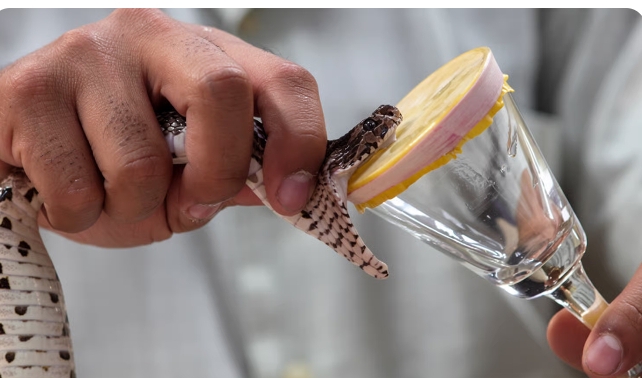
Antivenom shortages and weak treatment capacity are worsening Nigeria’s response to snakebite envenoming, with frontline health workers warning that preventable deaths and long-term disabilities are increasing, despite the condition being both treatable and preventable.
A new report by the global Strike Out Snakebite (SOS) initiative, released to mark World Neglected Tropical Diseases (NTD) Day 2026, revealed that half of health facilities surveyed across high-burden countries lack full capacity to manage snakebite emergencies.
The findings are based on responses from 904 healthcare workers in Nigeria, Brazil, India and Indonesia, countries that carry a large share of the global snakebite burden.
According to the World Health Organisation (WHO), snakebite envenoming causes up to 138,000 deaths and around 400,000 permanent disabilities annually. Snakebite accounts for nearly half of the global burden of neglected tropical diseases and was listed as a priority NTD by WHO in 2017. In 2019, WHO set a target to halve snakebite deaths and disability by 2030.
Nigeria Faces Severe Treatment Challenges
Nigeria featured prominently in the report as one of the countries battling entrenched systemic failures. Of Nigerian healthcare workers surveyed, 98 per cent reported difficulties administering antivenom—the only WHO-approved essential medicine for treating snakebite.
Major challenges identified include:
Delayed arrival of patients at hospitals
Poor infrastructure and inadequate equipment
Gaps in training and lack of clear clinical guidelines
Nigeria is home to 29 snake species, nearly half of which are venomous. The report noted that 57 per cent of Nigerian respondents cited delays in patients reaching treatment centres, while 56 per cent blamed poor infrastructure. Another 42 per cent pointed to insufficient training and weak clinical support.
Delays Lead to Amputations and Disability
Across the four countries surveyed, 99 per cent of healthcare workers said they face challenges administering antivenom, including limited training to monitor disease progression.
About 35 per cent reported daily shortages of antivenom, while more than 77 per cent said patients often experience dangerous delays in seeking care due to reliance on traditional remedies.
The consequences are severe. Nearly 44 per cent of respondents said delays have resulted in amputations or major surgery, outcomes that permanently damage livelihoods and deepen poverty, especially in rural farming communities where snakebites are most common.
Calls for Urgent Investment and Political Action
Co-Chair of the Global Snakebite Taskforce, Elhadj As Sy, said the report highlights how frontline health workers continue to bear the brunt of the crisis while being overlooked in global health decision-making.
The Taskforce called for urgent action, including:
Increased investment in antivenom research and development
Expanded affordable manufacturing
Improved monitoring and data systems
Stronger collaboration between governments, NGOs and local health services
Experts also warned that funding remains dangerously limited, with only two funders accounting for about 65 per cent of global snakebite research investment.
Prevention and National Health Integration Needed
Health experts urged Nigeria and other affected nations to integrate snakebite prevention and treatment into national health strategies. Recommendations include pooling resources for procurement, establishing regional production hubs, modernising health infrastructure and scaling up community education.
SOS also highlighted simple preventive steps such as wearing protective footwear, using torches at night, sleeping under well-tucked nets and avoiding snake habitats.
The report concluded that without decisive political commitment and targeted investment, snakebite envenoming will continue to cause needless deaths and disability, despite being preventable and treatable.

Health
 News MasterUpdated 8 months Ago2 Mins read
Antivenom Shortages Threaten Nigeria’s Fight Against Rising Snakebite Cases
News MasterUpdated 8 months Ago2 Mins read
Share






Related Articles
Health
WHO Pushes for Faster Global Response as Hepatitis Elimination Goal Faces Delay Risks
The World Health Organization has raised concern over the slow pace of...

Health
Lagos First Lady Supports Lifesaving Child Surgery with N70m Health Intervention
The wife of the Lagos State Governor, Dr. Ibijoke Sanwo-Olu, has strengthened...
Health
FCT Begins Deployment of New Long-Acting HIV Prevention Injection
The Federal Capital Territory Administration (FCTA) has commenced the introduction of a...

Health
Lagos Event Puts Spotlight on Women’s Health During IWD Commemoration
Health advocates and stakeholders gathered in Lagos to mark the 2026 International...




Leave a comment