Nigeria’s borrowing from the World Bank’s concessional lending arm has reached a new high of $18.7 billion, reflecting the government’s growing reliance on external financing to fund development projects and cover budget gaps.
The increase, roughly $1.9 billion higher than last year, comes amid heavy spending on infrastructure, education, and healthcare projects, which are crucial for economic growth but add to the country’s external debt obligations.
Experts warn that while these loans offer favorable repayment terms, the rising debt stock could strain Nigeria’s finances in the long term, potentially affecting fiscal stability and public spending priorities.
Officials note that careful management of new borrowing, combined with strategies to boost revenue and control costs, will be essential to prevent debt levels from becoming unsustainable.
Analysts believe that balancing development needs with prudent debt management will be key to maintaining investor confidence and ensuring economic resilience in the coming years.

Business
 News MasterUpdated 7 months Ago1 Mins read
Nigeria Faces Rising Pressure as World Bank Debt Surges
News MasterUpdated 7 months Ago1 Mins read
Share





Related Articles

Business
Hon. Amobi Ogah Engages Global Stakeholders at OTC Texas As Nigeria’s Energy Future Comes in Focus
U.S., Texas — Nigeria’s push for innovation and global collaboration in the...

Business
Fear of Oil Glut as NNPCL Raises Crude Prices Across Grades
Concerns are growing over a possible global oil glut as the Nigerian...
Business
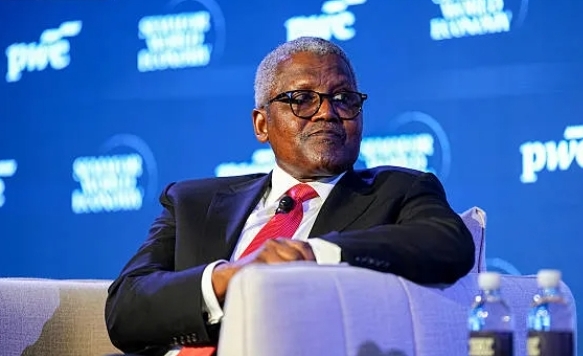
Aliko Dangote’s Wealth Climbs to $34bn After $216m Single-Day Surge
Africa’s richest man, Aliko Dangote, has seen his net worth rise to...

Business
Nigeria’s Petrol Price Drops 15.6% Year-on-Year – NBS
The average retail price of petrol in Nigeria declined by 15.6 per...




Leave a comment