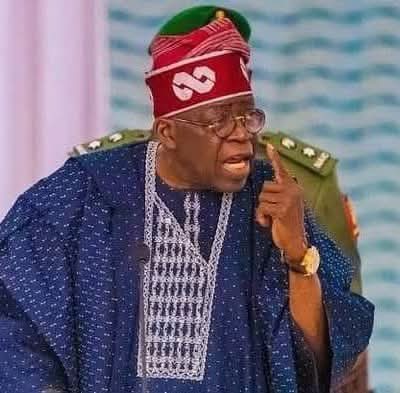
President Bola Tinubu yesterday signed into law the Electoral Act (Amendment) Bill 2026, concluding weeks of legislative debate but igniting fresh controversy over the credibility of the 2027 general elections.
The presidential assent, given at about 5:00 p.m. at the State House in Abuja and attended by principal officers of the National Assembly and senior government officials, formally establishes the legal framework for the next general elections. The signing came just days after the Independent National Electoral Commission (INEC) released the official timetable for the 2027 polls.
While the Presidency described the amendment as a product of rigorous legislative engagement aimed at strengthening democracy, opposition parties, civil society groups and socio-cultural organisations expressed concern over provisions relating to the electronic transmission of results.
Tinubu Defends Amendment
Speaking shortly after signing the bill, Tinubu commended the National Assembly for what he termed a patriotic and thorough process. He said the reforms were designed to safeguard democratic stability and prevent voter disenfranchisement.
“The essence of democracy is robust debate committed to national development and stability,” the President said, stressing that elections must be managed in a way that eliminates confusion and protects voters’ rights.
Tinubu emphasised that although technology plays a supportive role, Nigeria’s electoral system remains fundamentally human-driven. According to him, manual voting and collation remain central, while electronic transmission serves as an aid.
“No matter how good a system is, it is managed and finalised by people. Essentially, we are looking at the transmission of manual results, and we must avoid glitches,” he stated, expressing confidence that Nigeria’s democracy would continue to grow.
Opposition Kicks
However, critics faulted the speed with which the President assented to the bill—less than 48 hours after its passage by the National Assembly—describing the move as troubling.
The Peoples Democratic Party (PDP) accused lawmakers of betraying Nigerians, particularly over the removal of mandatory electronic transmission of results from polling units. In a statement by its National Publicity Secretary, Ini Ememobong, the party described the amendment as anti-democratic and a threat to electoral integrity.
According to the PDP, diluting transparency mechanisms ahead of a major election could open the door to manipulation. The party also criticised the restriction of party primaries to Direct and Consensus methods, arguing that it infringes on the constitutional autonomy of political parties.
The Labour Party (LP) caucus in the House of Representatives similarly condemned what it described as a “hurried” assent. Caucus leader Afam Ogene questioned whether the executive had sufficient time to scrutinise the bill before signing it into law.
He accused the ruling party of abandoning its earlier advocacy for electronic voting and transmission, calling on Nigerians to remain vigilant and mobilise against any perceived compromise of the electoral system.
SDP, Others Signal Legal Battle
The 2023 presidential candidate of the Social Democratic Party (SDP), Adewole Adebayo, described the amendment as a “planned hatchet job” against democracy. He alleged that the speed of assent reinforced suspicions about the intent of the law and signalled plans to challenge it through constitutional means.
A chieftain of the Lagos PDP, Adetokunbo Pearse, warned that any deepening controversy over electronic transmission could erode public trust in the Fourth Republic, urging citizens to remain actively engaged in the electoral process.
Socio-cultural groups also raised concerns. Afenifere’s National Publicity Secretary, Justice Faloye, described the development as potentially destabilising, while a chieftain of Ohanaeze Ndigbo, Goddy Uwazuruike, expressed shock over what he called disregard for public opinion on electronic transmission.
Civic Groups Warn of Resistance
The Movement for Credible Elections (MCE) rejected the amendment, faulting the removal of explicit “real-time” transmission language and the inclusion of what it termed an undefined “failure” clause that could prioritise manual collation.
In a statement signed by Comrade Olawale Okunniyi, the group warned that the changes could weaken safeguards for credible elections and threatened nationwide resistance unless clearer guarantees are provided.
The group demanded a public clarification from the National Assembly on its commitment to electronic transmission safeguards and called for open engagement with civil society.
Wike Backs Reform
In contrast, Minister of the Federal Capital Territory, Nyesom Wike, commended Tinubu and the National Assembly for what he described as decisive leadership. In a statement by his aide, Lere Olayinka, Wike dismissed criticisms as politically motivated and argued that periodic reforms are essential for institutional growth.
Experts Flag Loopholes
Civic advocate Akindeji Aromaye of Enough is Enough Nigeria (EiE) acknowledged that the new law contains reforms, including provisions allowing voters to download their Permanent Voter Cards from INEC’s website.
However, he warned of significant loopholes, particularly in the electronic transmission clause. While transmission to INEC’s Result Viewing Portal (IReV) is compulsory, the law provides that in cases of “failure,” manually collated results may prevail. Aromaye noted that the Act does not clearly define what constitutes failure or who independently certifies it.
He also criticised the reduction of the timeline for releasing election funds to INEC from 12 months to six months, arguing that it could affect planning and financial independence.
Focus Shifts to INEC
With the amendment now law, attention turns to INEC, which bears the responsibility of implementing its provisions and addressing ambiguities through operational guidelines.
As political actors prepare for 2027, the debate over electronic transmission and electoral transparency appears far from settled. Whether the amended law strengthens or weakens public confidence in Nigeria’s democracy may ultimately depend on how effectively INEC applies its provisions, and how the courts interpret them in the months ahead.

National
 News MasterUpdated 7 months Ago3 Mins read
2027 Credibility Battle Shifts to INEC as Tinubu Signs Amended Electoral Act
News MasterUpdated 7 months Ago3 Mins read

Share






Related Articles
National
Nigeria Moves Against South Africa Over Killing of Citizens, Demands Accountability
The Federal Government has intensified diplomatic pressure on South Africa following the...

National
Reps Approve Bill for New Federal Medical Centre in Ikwuano, Awaits Senate Approval
The House of Representatives has passed a bill sponsored by Hon. Obi...

National
FG Targets Malnutrition with New 10-Year Nutrition Policy
The Federal Government has taken a major step toward tackling malnutrition following...

National
Kalu’s Lawyers Reject Petition Seeking Revocation of Law School Certificate
Legal representatives of the Deputy Speaker of the House of Representatives, Benjamin...




Leave a comment