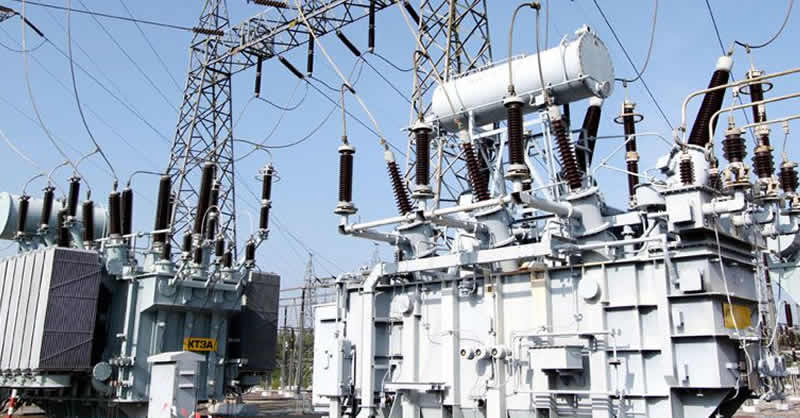
Nigeria’s national power generation has sharply fallen to around 4,300 megawatts (MW) due to a significant shortage of natural gas needed to run its thermal power plants. The drop in gas deliveries has limited the amount of electricity available on the grid and forced energy rationing across the country.
Thermal plants, which make up the majority of Nigeria’s electricity generation, require nearly 1,630 million standard cubic feet (MMSCF) of gas per day to run at full capacity. But as of late February 2026, the actual supply was about 692 MMSCF per day, representing less than half of what is needed.
Because of these fuel shortfalls, grid output has dipped and energy sent to distribution companies has been scaled back, leading to widespread load shedding and longer blackouts in many regions. Efforts are ongoing to balance electricity distribution and maintain grid stability using the limited power available.
The shortfall has affected homes, businesses, and industries that already contend with weak and unreliable electricity. Authorities have expressed regret for the inconvenience to consumers and are working to improve gas availability and restore generation levels.
This situation highlights the ongoing challenges in Nigeria’s energy sector, where reliance on gas-fired plants makes the system vulnerable to fuel supply disruptions, infrastructure issues, and coordination problems between gas producers and power companies.

Business
 News MasterUpdated 7 months Ago1 Mins read
Nigeria’s Electricity Output Plummets as Gas Supply Dwindles
News MasterUpdated 7 months Ago1 Mins read
Share




Related Articles

Business
Hon. Amobi Ogah Engages Global Stakeholders at OTC Texas As Nigeria’s Energy Future Comes in Focus
U.S., Texas — Nigeria’s push for innovation and global collaboration in the...
Business
Fear of Oil Glut as NNPCL Raises Crude Prices Across Grades
Concerns are growing over a possible global oil glut as the Nigerian...
Business
Aliko Dangote’s Wealth Climbs to $34bn After $216m Single-Day Surge
Africa’s richest man, Aliko Dangote, has seen his net worth rise to...
Business
Nigeria’s Petrol Price Drops 15.6% Year-on-Year – NBS
The average retail price of petrol in Nigeria declined by 15.6 per...




Leave a comment