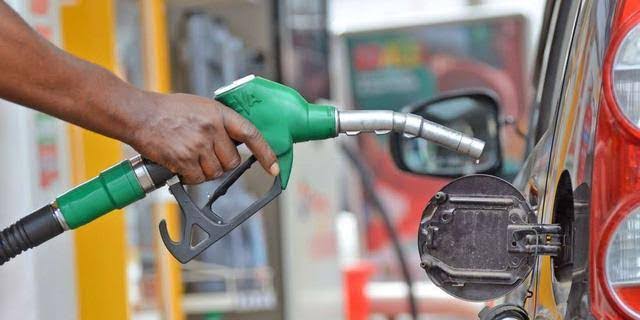
In 2025, the financial performance of publicly traded fuel marketing firms in Nigeria took a significant hit, with key earnings measures sliding by roughly 60–70 per cent compared with the previous year. This sharp downturn highlights the mounting pressures within the country’s downstream petroleum industry following major structural changes.
A recent industry report shows that the shift toward full deregulation and the rise of local refining capacity has reshaped the sector. While increased domestic refining has eased fuel supply shortages and reduced reliance on imports, it has also intensified competition and squeezed profit margins for marketers.
Several factors have driven the earnings collapse: fierce price competition, slim marketing margins, higher borrowing costs, and rising logistics and operating expenses. These combined pressures have significantly weakened the financial standing of many fuel companies.
In particular, one major marketer saw its revenue drop by more than a quarter, reporting losses after tax for the year — a stark reversal from the profits it recorded in 2024. This reflects the broader strain felt across the industry as deregulation exposes firms to global price swings and reduced protection from government controls.
While consumers have benefited from improved fuel availability and a more responsive supply system, industry stakeholders warn that the transition has not been smooth for marketers. They now face a more volatile market environment that demands greater operational efficiency and adaptability.
Analysts say the full impact of these shifts will continue to unfold as Nigeria’s downstream sector adapts to a deregulated, refinery-driven future, urging policymakers and industry players to find ways to support sustainable profitability alongside broader energy reforms.

Business
 News MasterUpdated 6 months Ago1 Mins read
Nigerian Oil Marketers Reel from Sharp Revenue Drop
News MasterUpdated 6 months Ago1 Mins read
Share





Related Articles

Business
Hon. Amobi Ogah Engages Global Stakeholders at OTC Texas As Nigeria’s Energy Future Comes in Focus
U.S., Texas — Nigeria’s push for innovation and global collaboration in the...

Business
Fear of Oil Glut as NNPCL Raises Crude Prices Across Grades
Concerns are growing over a possible global oil glut as the Nigerian...
Business
Aliko Dangote’s Wealth Climbs to $34bn After $216m Single-Day Surge
Africa’s richest man, Aliko Dangote, has seen his net worth rise to...
Business
Nigeria’s Petrol Price Drops 15.6% Year-on-Year – NBS
The average retail price of petrol in Nigeria declined by 15.6 per...




Leave a comment