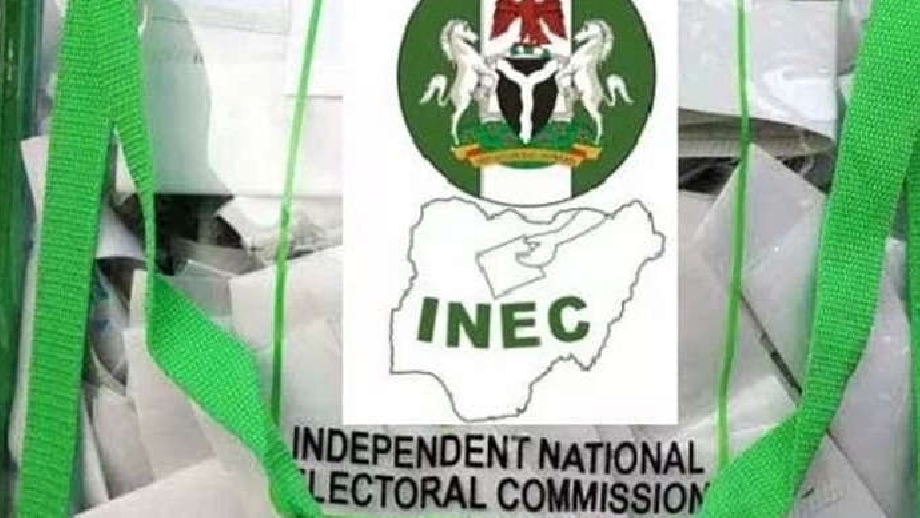
The Senate, on Wednesday, passed for second reading the bill seeking to repeal the Electoral Act 2022 and enact a new Electoral Act 2025, aimed at deepening transparency and strengthening Nigeria’s democratic process.
The new bill proposes key reforms to enhance the independence of the Independent National Electoral Commission (INEC), improve voter participation, and ensure greater accountability in election management.
Among the major amendments are provisions mandating early release of INEC funds, the inclusion of the National Identification Number (NIN) for voter registration, and recognition of voting rights for inmates. It also introduces compulsory electronic transmission of results, and proposes that presidential and governorship elections be conducted at least 185 days before the end of incumbents’ tenure.
While the Senate had earlier considered holding presidential and governorship elections in November 2026, six months before the expiration of current tenures, lawmakers were silent on the proposal during Wednesday’s debate.
A major highlight of the session was the Senate’s move to shift the burden of proof in election petitions from candidates to INEC. Lawmakers argued that as the custodian of election materials, INEC should be responsible for demonstrating that elections were free and fair.
Senator Seriake Dickson (Bayelsa West) described the current system as unfair, insisting that INEC must be held accountable for the integrity of elections. Senate President Godswill Akpabio agreed, calling it “a necessary correction to an imbalanced process that burdens citizens seeking justice.”
Akpabio said the reform aims to move Nigeria’s democracy “from electoral legality to electoral legitimacy,” stressing that laws must evolve to ensure credible elections by 2027.
The bill, sponsored by Senator Simon Lalong (APC, Plateau South), was referred to the Senate Committee on Electoral Matters for further deliberation and public hearing within two weeks.
In a separate development, the Senate also approved an amendment to the National Health Act (2014) to double the Basic Health Care Provision Fund (BHCPF) from one per cent to two per cent of the Consolidated Revenue Fund. The proposal, sponsored by Senator Ipalibo Harry, aims to ensure sustainable healthcare financing and reduce reliance on donor support.
Meanwhile, former NBA President and Senior Advocate of Nigeria, Olisa Agbakoba, warned that President Bola Tinubu’s ambition of achieving a $1 trillion economy would remain unattainable without a new constitution.
Speaking at a Lagos forum themed “Devolution is the Solution: Foundational Reform Agenda for Nigeria’s Transformation,” Agbakoba criticised the continued delay in constitutional reform, describing it as a missed opportunity for national renewal.
“History will judge us by whether we had the courage to restructure Nigeria when we had the chance,” he said. “The answer must be written in the ballot box of 2027 and inscribed in a new constitution by 2030.”

National
 News MasterUpdated 4 months Ago2 Mins read
Senate Passes Electoral Reform Bill, Moves to Shift Burden of Proof to INEC
News MasterUpdated 4 months Ago2 Mins read
Share





Related Articles
National
Tinubu Administration Reports Widespread Reach of Household Cash Transfer Programme
The administration of Bola Tinubu has stated that millions of low-income households...
National
FG Denies Paying Ransom or Releasing Militants for Niger Schoolchildren’s Rescue
The Federal Government has rejected claims that it paid a ransom or...
National
Nigeria’s Power Crisis and the Scandal of Hoarded Meters
The continued failure of Nigeria’s electricity distribution companies (DisCos) to provide prepaid...
National
FG Warns Against Misuse of Veterinary Drugs
The Federal Government has raised alarm over the growing misuse of veterinary...




Leave a comment