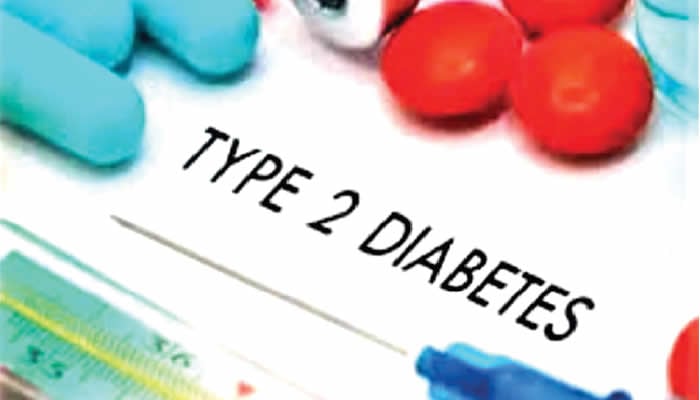
Endocrinologists have stressed the need for greater public awareness to encourage early detection of diabetes, warning that delayed diagnosis can lead to serious, life-threatening complications.
The call came on Friday during a free diabetes screening organized by the Endocrinology, Diabetes, and Metabolism Unit of Lagos University Teaching Hospital (LUTH) in observance of World Diabetes Day. The event began with a 10-minute public awareness walk designed to educate citizens and promote early detection of the disease.
Dr. Wale Bello, Deputy Chairman of the Medical Planning Committee at the College of Medicine, Lagos State University, explained that the initiative allows participants to “know their numbers” through complimentary checks for weight, height, blood pressure, and blood sugar. Representing LUTH’s Chief Medical Director, Prof. Wasiu Adeyemo, Bello described the current prevalence of diabetes as alarming and emphasized that early screening is the most effective method to curb rising cases.
“The screening program is a collaborative effort between our unit and various hospital management partners. Participants leave with their health numbers, which serve as a reference for monitoring vital indicators,” Bello said. He estimated that diabetes affects between 5 and 7 percent of Nigerians, meaning roughly five to seven out of every 100 people have the condition.
Bello highlighted the role of healthcare professionals and medical associations in raising awareness, noting that while the government provides infrastructure and policies such as mandatory blood sugar tests in public hospitals, education remains crucial. He warned against fear-driven avoidance of screening, explaining that diabetes can silently damage vital organs and cause irreversible complications if left unchecked.
“The earlier we diagnose, the better we can manage the condition. Not everyone requires medication—some people can control their blood sugar through diet, exercise, and weight management. Screening also helps those without diabetes adopt preventive lifestyle measures,” he added.
Prof. Olufemi Fasanmade, Head of LUTH’s Endocrinology, Diabetes, and Metabolism Unit, raised concerns about the growing burden of diabetes, noting that one in ten adults in Nigeria is affected. He advised citizens to combine routine screenings with tests for other conditions like malaria, typhoid, hypertension, and high cholesterol, which often coexist with diabetes.
“Knowing your health numbers is vital. Globally, around 600 million people live with diabetes. In Nigeria, estimates suggest between five and ten million cases. Regular monitoring of blood sugar, blood pressure, and cholesterol enables timely medical intervention and can prevent complications,” Fasanmade said.
He stressed that maintaining blood sugar below 7 mmol/L (or 126 mg/dL), blood pressure under 120/80 mmHg, and cholesterol under five is critical, and individuals with higher readings should seek prompt medical advice.

Health
 News MasterUpdated 4 months Ago2 Mins read
Experts Urge Early Diabetes Screening Amid Rising Cases in Nigeria
News MasterUpdated 4 months Ago2 Mins read
Share






Related Articles

Health
Federal Government Rolls Out Cost‑Free Cancer Screening Drive in Southeast
The Federal Government has launched a nationwide cancer awareness and free screening...

Health
Ebonyi Vows to Continue Health Reforms After Backing from Global Partner
The Ebonyi State Government has expressed appreciation to the World Bank for...
Health
Nigeria’s Lassa Fever Fight Hampered by Logistical and Reporting Weaknesses
The Nigeria Centre for Disease Control and Prevention (NCDC) says key weaknesses...
Health
NAFDAC Issues Urgent Alert Over Suspected Fake SMA Gold Infant Formula in Kaduna
The National Agency for Food and Drug Administration and Control has alerted...



Leave a comment