Professor Aderemi Obilana, Founder and Chief Executive Officer of Prakis Educational Services, has urged the Minister of Education, Dr. Tunji Alausa, to immediately restore the implementation of the 2022 National Language Policy (NLP).
Obilana, who is also a visiting professor at the University Institute of Applied and Human Sciences in the Republic of Chad and an independent contractor with the University of South Africa, called on the Federal Government to follow the example of countries such as China, Singapore, South Africa, and Finland—nations that have successfully integrated indigenous languages into their school systems.
In a statement released on Sunday, the academic described the suspension of the language policy as “premature, unfounded, and harmful” to Nigeria’s cultural and educational progress.
Dr. Alausa had earlier announced that the policy was being halted due to poor student performance in WAEC, NECO, and JAMB examinations. But Prof. Obilana dismissed this claim, arguing that it does not align with global research or best educational practices.
He stated that there is no evidence showing that learning in indigenous languages negatively affects exam outcomes. Instead, he pointed to strong research, including UNESCO findings, showing that children who receive early education in their mother tongue perform better in reading and comprehension.
Obilana further noted that studies consistently show that pupils taught in their indigenous languages at the foundational level demonstrate stronger literacy and numeracy skills than those taught exclusively in foreign languages. He insisted that the data cited by the minister was “highly incorrect” and should not be used to justify scrapping the policy.
Beyond academics, Obilana warned that suspending the policy could accelerate the loss of Nigeria’s cultural identity. According to UNESCO research, mother-tongue instruction boosts children’s self-esteem and strengthens their connection to their cultural heritage.
He also referenced South Africa as a model where extensive resources exist to support learning in indigenous languages. He urged African countries to “decolonise their mindsets,” stressing that the global dominance of English does not justify sidelining African languages. Nations that prioritise their indigenous languages, he said, continue to excel in science, technology, finance, and other sectors.
The education expert appealed to the minister to fully fund and support the policy rather than suspend it. He recommended continuous professional development for teachers and encouraged the ministry to adopt a student-centred approach to learning.
Professor Obilana is also the convener of the Prakis International Education Conference on Transformation of Education in Africa and serves as a reviewer for the Science Publishing Group’s Educational Journal in the United States.

National
 News MasterUpdated 3 months Ago2 Mins read
Don urges Education Minister to reverse suspension of National Language Policy
News MasterUpdated 3 months Ago2 Mins read

Share





Related Articles
National
Tinubu Administration Reports Widespread Reach of Household Cash Transfer Programme
The administration of Bola Tinubu has stated that millions of low-income households...
National
FG Denies Paying Ransom or Releasing Militants for Niger Schoolchildren’s Rescue
The Federal Government has rejected claims that it paid a ransom or...
National
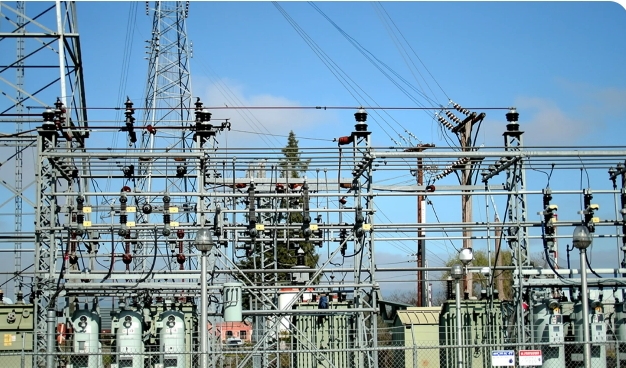
Nigeria’s Power Crisis and the Scandal of Hoarded Meters
The continued failure of Nigeria’s electricity distribution companies (DisCos) to provide prepaid...
National
FG Warns Against Misuse of Veterinary Drugs
The Federal Government has raised alarm over the growing misuse of veterinary...




Leave a comment