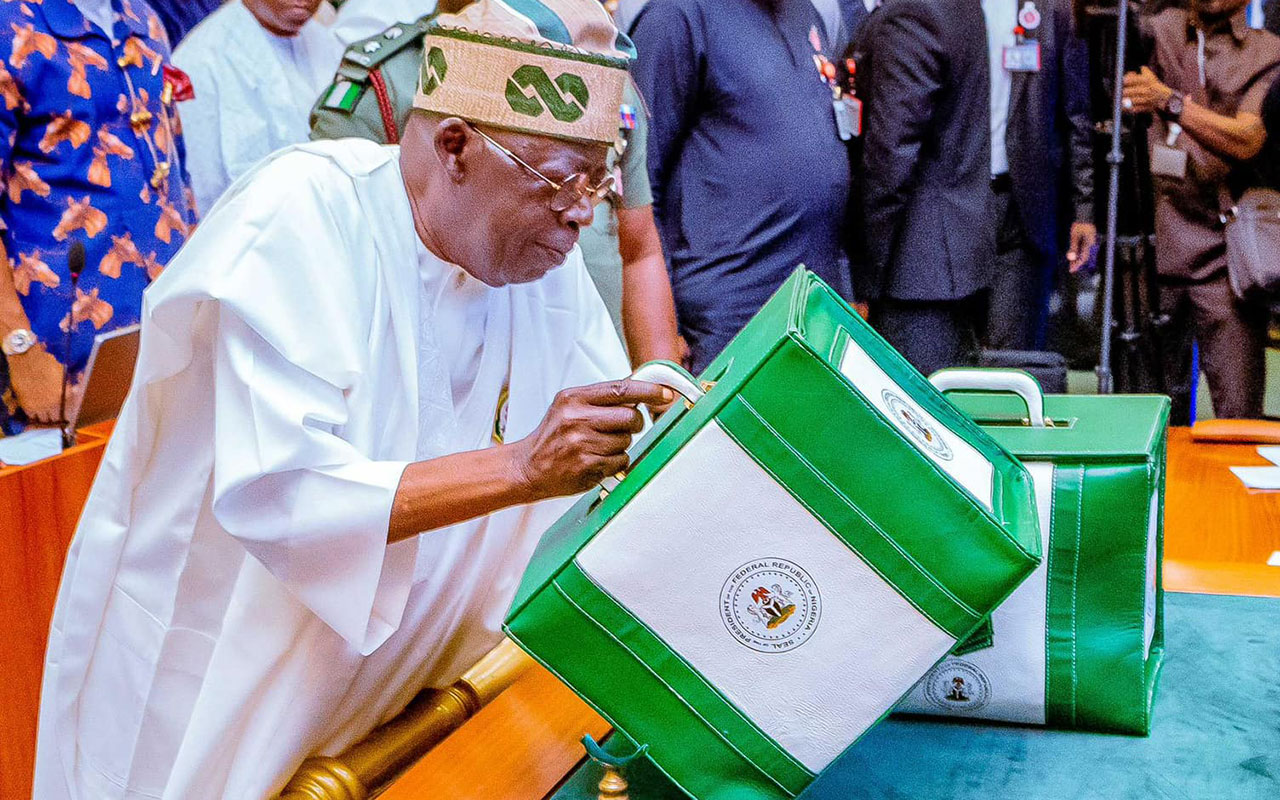
As Nigeria edges closer to the 2026 fiscal year, uncertainty over the federal budget is sparking concern across markets and public institutions. Analysts warn that delayed budget timelines risk ushering in another cycle of unpredictable fiscal planning, rushed appropriations, weak financial discipline, and erratic project execution.
With just six weeks to the new fiscal year, the Federal Executive Council (FEC) has yet to approve the 2026 budget for transmission to the National Assembly. Complicating matters, the Senate has requested detailed reports on the 2024 budget performance, 2025 capital implementation projections, and the Medium Term Expenditure and Fiscal Strategy Paper (MTEF/FSP) before considering the 2026–2028 plan.
The request, issued in early October by Senate Finance Committee Chairman Mohammed Sani Musa, followed closed-door consultations with Finance Minister Wale Edun, Accountant-General Samsudeen Ogunjimi, and Budget Office DG Tanimu Yakubu. The MTEF/FSP submission is pending, as the Ministry of Finance’s preliminary report on the 2024 budget remains scant and its reception by the Senate unclear.
Observers note that delays in adjusting the MTEF/FSP, meant to ensure medium-term fiscal stability, undermine the Fiscal Responsibility Act (FRA), which mandates its transmission to the National Assembly at least four months before each financial year. Key assumptions in the 2025–2027 MTEF/FSP, including oil prices and production targets, have shifted, requiring urgent revision. Oil prices have consistently fallen below the projected $75 per barrel, and meeting the two million barrel-per-day production target remains uncertain despite government interventions.
As the executive lags, federal ministries and agencies continue to struggle with underfunding, affecting service delivery and halting critical human capital development programs. Contractors are also facing delayed payments, prompting protests that disrupted House plenaries. In response, Finance Minister Edun introduced a policy requiring agencies to secure warrants and authorities to incur expenditures (AIEs) before awarding new contracts, aiming to curb fiscal mismatch, but experts warn significant financial injections are needed to sustain this reform.
Meanwhile, state governments, less reliant on federal guidance, are already advancing their 2026 budgets. Legislatures in Bayelsa, Cross River, Ekiti, and Osun have begun considering appropriation bills, with governors holding town hall meetings to guide proposals.
The Budget Office of the Federation had initially directed ministries and agencies to prepare personnel cost proposals for 2026 in line with FRA guidelines, suggesting the MTEF/FSP be completed by July 2025. Yet the delay persists, threatening economic stability in a country where public sector spending heavily influences private sector operations and citizens’ welfare.

National
 News MasterUpdated 3 months Ago2 Mins read
2026 Budget Delays Heighten Fiscal Uncertainty, Public Sector Woes
News MasterUpdated 3 months Ago2 Mins read
Share



Related Articles
National
FG Warns Against Misuse of Veterinary Drugs
The Federal Government has raised alarm over the growing misuse of veterinary...
National
Electoral Act 2026: How Tinubu’s Swift Assent Could Influence 2027 Polls
President Bola Ahmed Tinubu’s prompt signing of the amended Electoral Bill into...
National
Defence Minister Calls for Careful Consideration of Mandatory Military Service
The Minister of Defence, General Christopher Musa, has advocated a measured and...
National
2027 Electoral Battle Shifts to INEC as Tinubu Signs Amended Electoral Act
Abuja – President Bola Tinubu’s signing of the Electoral Act (Amendment) Bill...




Leave a comment