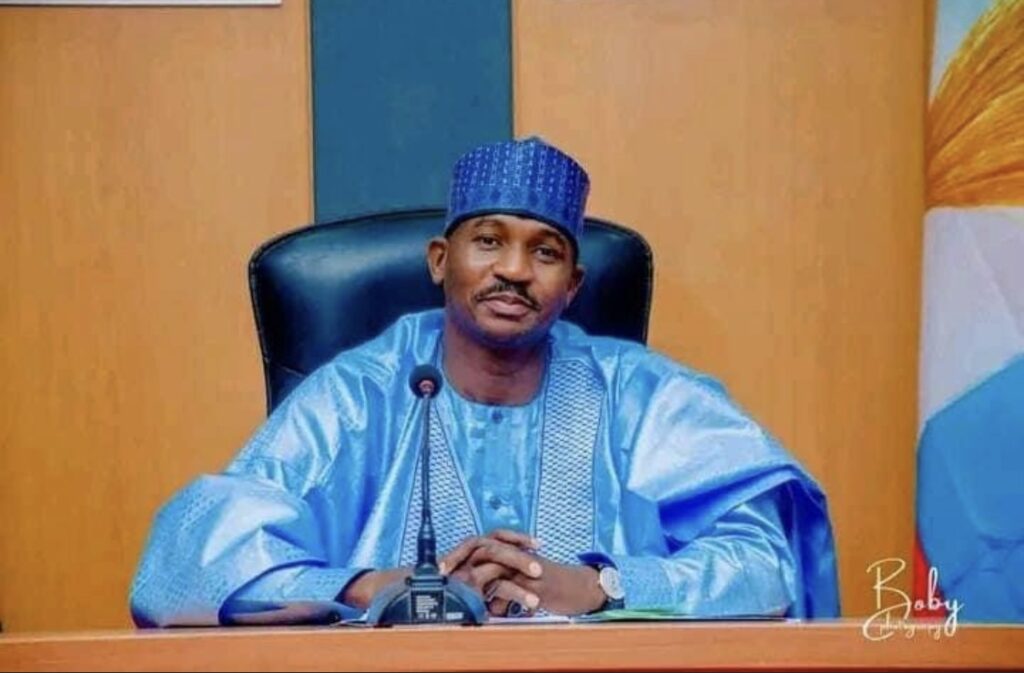
In a political climate where rivalry among senior government aides often slows governance, Sokoto State stands out as an example of unity and efficiency. Governor Ahmed Aliyu’s administration has become notable for the strong partnership among his key officials, especially the Secretary to the State Government (SSG), Alhaji Bello Sifawa, and the Chief of Staff (CoS), Alhaji Aminu Haliru Dikko.
This cooperation has allowed the state to push ahead with the governor’s Nine-Point Smart Agenda, ensuring smooth operations and minimal distractions. Rather than competing for influence, the SSG and CoS function as complementary pillars of support to the governor, helping maintain a unified and focused administration.
—
A Rare Partnership in Nigerian Governance
In many states, disagreements between top aides, especially between the SSG and CoS, often lead to duplicated tasks, conflicting directives, and stalled decision-making. Governor Aliyu, however, has avoided these common pitfalls by choosing capable individuals who understand their roles and share his vision.
Sifawa, the SSG, manages the administrative machinery, ensuring government processes run efficiently. Dikko, the Chief of Staff, oversees political coordination and shields the governor from avoidable distractions. Their mutual respect and shared loyalty to the governor have created a stable working environment.
Their partnership is not only professional but personal. They frequently hold joint meetings, move together, and maintain open communication, sending a strong signal across the administration that the government speaks with one voice.
—
Why This Unity Matters
Rivalries among top officials can lead to serious consequences: policy paralysis, mixed messaging, administrative confusion, and weakened authority. In contrast, Sokoto’s cohesive leadership has resulted in:
faster decision-making
clear communication across ministries
efficient coordination of government projects
quicker response to challenges
reduced internal friction
improved teamwork within the civil service
This harmony has created a culture where ministries avoid duplication and crises are handled more efficiently.
—
Driving Projects and Reforms
The governor heavily relies on both Sifawa and Dikko to oversee special committees on security, infrastructure, and development projects. Their alignment ensures swift execution of initiatives across sectors like agriculture, health, housing, and transport.
Their administrative expertise, combined with Governor Aliyu’s own experience in public service, has enabled the government to maintain steady progress and deliver visible results.
—
A Model for Other States
The Sokoto example shows that effective governance depends not just on budgets and policies but on the relationships among key officials. When leaders collaborate rather than compete, governors can focus on engaging investors, development partners, and federal agencies without being distracted by internal politics.
Citizens also gain confidence when they see a unified administration committed to fulfilling campaign promises.
—
Cohesion Beyond the Executive Team
The cooperation extends to the Sokoto State House of Assembly and the All Progressives Congress (APC) in the state. This political stability has helped the government maintain momentum in development efforts.
Governor Aliyu is widely credited for fostering this stable environment. While firmly in control of his administration, he continues to value the guidance of his political mentor, Senator Aliyu Wamakko, whose support remains central to the state’s steady progress.

State News
 News MasterUpdated 3 months Ago2 Mins read
How Collaboration Between Sokoto’s SSG and Chief of Staff Is Driving Governance Under Governor Ahmed Aliyu
News MasterUpdated 3 months Ago2 Mins read
Share


Related Articles
State News
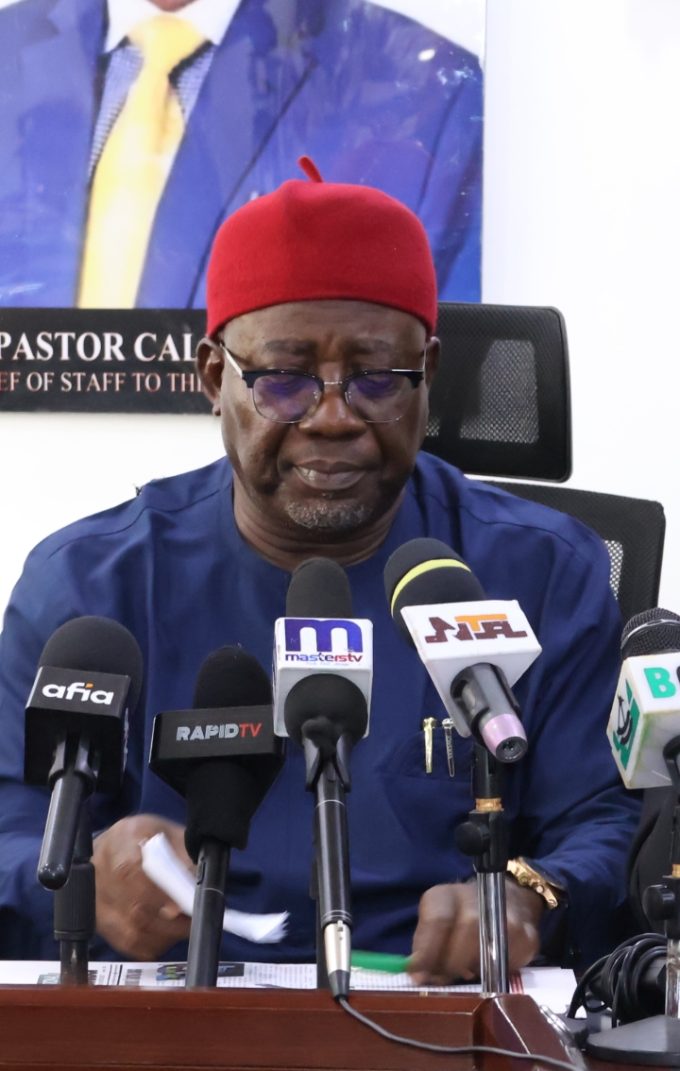
ABIA GOVT PARTNERS U.S. MEDICAL FOUNDATION TO TRAIN HEALTH WORKERS, SET TO COMMISSION OVOM ROAD IN ABA
The Abia State Government (ABSG) has approved a strategic partnership with QANTUS...
State News
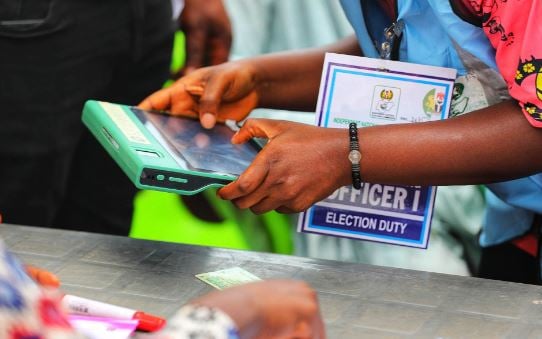
Names of Voters Omitted at Abuja Polling Station
During Saturday’s Federal Capital Territory Area Council election at the Durumi II polling...
State News
Abia Wins as Court Rejects Fresh ₦1.8bn Fee Demand Over “Duplicate” Suit
A High Court in the Federal Capital Territory has dismissed a lawsuit...
State News
Otti Celebrates Former SSG Kalu, Says Leadership Strength Lies in Teamwork
Abia State Governor, Dr. Alex Otti, OFR, has praised the immediate past...



Leave a comment