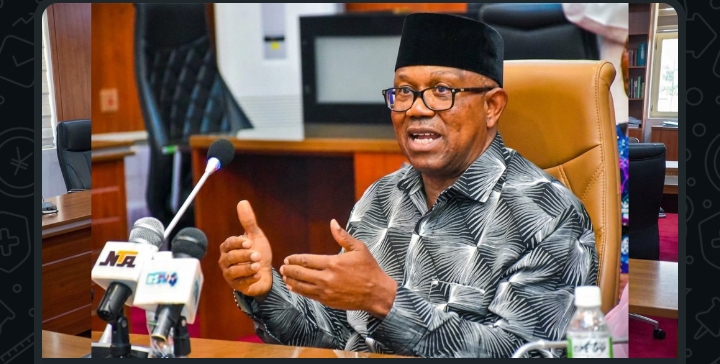
Former Anambra State governor and Labour Party (LP) presidential candidate in the 2023 elections, Peter Obi, has urged the Federal Government to make all Memoranda of Understanding (MoUs) connected to tax administration fully transparent.
In a statement shared on X, Obi reacted to reports of a tax cooperation MoU between Nigeria and a France-based company, raising concerns that an agreement with significant implications for public revenue and data management was concluded without full disclosure to Nigerians.
He described it as troubling that such an important agreement appeared to have been finalised without the public being informed of its full terms, objectives, scope and expected outcomes.
While acknowledging that international collaboration is not inherently problematic, Obi stressed that agreements relating to taxation require a higher level of openness because of their direct impact on citizens and national institutions.
According to him, transparency is critical to building trust in Nigeria’s ongoing tax reform efforts. He said Nigerians have a right to know the details of agreements affecting sensitive areas such as revenue systems and administrative capacity, warning that poor communication only fuels suspicion and weakens confidence in government policies.
Obi clarified that he is not opposed to engaging foreign expertise, but insisted that such partnerships must be clearly justified. He questioned why external arrangements are pursued without transparent explanations of the specific gaps they are meant to fill, why those gaps cannot be addressed locally, and what measurable benefits Nigerians are expected to gain.
He also noted that Nigeria has a strong pool of tax professionals, advisory firms and internationally recognised consultancies already operating in the country, arguing that lasting reforms should prioritise strengthening local capacity rather than excessive reliance on foreign support.
According to Obi, building internal capacity would deliver more sustainable benefits and reduce long-term dependency.
His comments come amid increasing pressure on the Federal Government to boost revenue generation while reducing the burden on citizens and businesses. Although Nigeria has introduced several tax reforms aimed at harmonisation, expanding the tax base and improving compliance through digital systems, many of these initiatives have attracted criticism over implementation, communication and their effects on small and medium-sized enterprises.
Obi linked his concerns to the broader economic situation, noting that more than half of Nigerians live in multidimensional poverty, youth unemployment remains high, and many small businesses struggle with multiple taxes and levies. He added that rising government borrowing has not translated into improved productivity or living standards.
In such a climate, he argued, policy priorities should include simplifying the tax system, blocking revenue leakages, fairly broadening the tax base and ensuring prudent use of public funds.
Obi warned that any agreement or policy lacking transparency and clearly defined benefits risks deepening public distrust in government. He therefore called on the Federal Government to publish the full text of the tax cooperation MoU, clearly explain its rationale and outline the mutual benefits, particularly what Nigeria stands to gain in practical terms.
“Leadership demands openness, accountability and a clear commitment to the interests of the Nigerian people,” he said, adding that decisions of this nature must always be guided by what best serves the nation.

Uncategorized
 News MasterUpdated 2 months Ago2 Mins read
Obi calls for transparency in tax-related MoUs
News MasterUpdated 2 months Ago2 Mins read
Share





Related Articles
Uncategorized
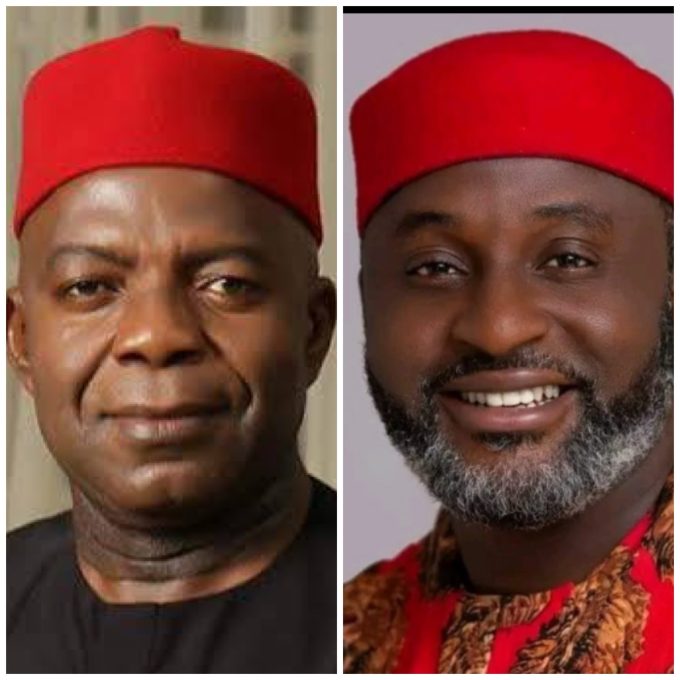
Hon. Amobi Ogah Celebrates Governor Alex Otti at 61, Applauds His Courageous Leadership and Developmental Vision
The Member representing Isuikwuato/Umunneochi Federal Constituency in the House of Representatives, Amobi...
Uncategorized
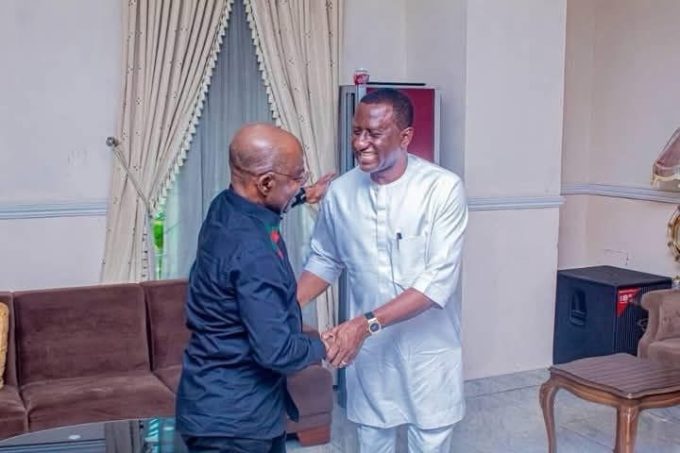
Uche Ogah Celebrates Otti’s 61st Birthday, Calls His Leadership a Catalyst for Abia’s Renaissance
Renowned industrialist and former Minister of State for Mines and Steel Development,...
Uncategorized
2027: Ohuhu People in Umuahia Endorse Gov. Otti for Second Term
Stakeholders and residents of the Ohuhu clan in Umuahia North Local Government...
Uncategorized
12 States Harmonise Tax Laws as NEC Calls for Greater Investment in Human Capital
No fewer than 12 states have so far adopted and harmonised the...




Leave a comment