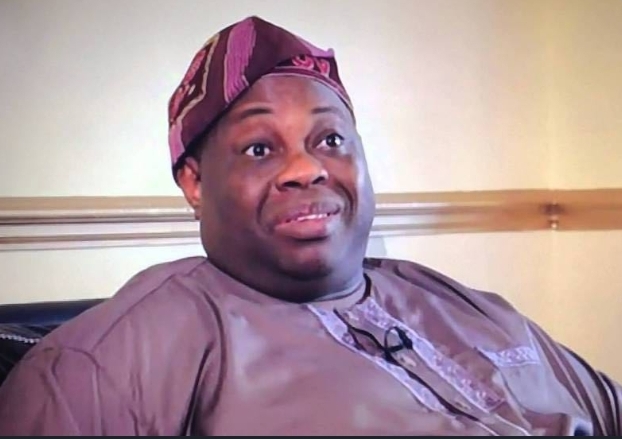
As political preparations intensify ahead of Nigeria’s 2027 general elections, Ovation publisher Dele Momodu has warned the African Democratic Congress (ADC) against internal conflicts that could mirror the crisis that destabilised the Peoples Democratic Party (PDP).
In a post on X on Tuesday, Momodu recalled attending a 2025 opposition coalition meeting in Abuja, where several political groups united under the ADC to challenge the ruling All Progressives Congress (APC). He expressed concern that recent tensions within the coalition threaten its stability.
“I was happy to see General David Mark as Chairman, confident he would allow no nonsense,” he wrote. “But lately, aggression and disorder are creeping in. How can a coalition work if some groups insist they must produce the presidential candidate by entitlement, instead of through elections and persuasion?”
Momodu urged ADC leaders to enforce discipline early, warning that unresolved disputes could produce powerful internal figures similar to former Rivers State governor Nyesom Wike’s dominance in the PDP.
“ADC should be a party of love, not a Fuji house of commotion,” he cautioned.
Obidient Movement Rules Out Vice-Presidential Position for Obi
Momodu’s warning comes as the Obidient Movement Worldwide reaffirmed that former Anambra State governor Peter Obi, who recently left the Labour Party for ADC, will not accept a vice-presidential slot in 2027.
The movement insisted that Obi will only contest as a presidential candidate and remains their sole focus for the coming election.
Obi, who defected from PDP to Labour Party before the 2023 elections and became its presidential flag bearer, has again repositioned himself within ADC as opposition realignments continue.
Speaking on Eagle 102.5 FM’s Frontline programme, Obidient National Coordinator Dr. Tanko Yunusa dismissed claims that Obi joined ADC to play a subordinate role to former Vice President Atiku Abubakar or any other political figure.
“Everyone in this coalition contributed with their hard-earned money. Nobody owns the party,” Yunusa said.
He described Obi as the “moral solution” Nigeria needs, outlining priorities such as economic discipline, national security reforms, sustainable fuel subsidy strategy, and strong international engagement.
Why Obi Left Labour Party
Yunusa said Obi’s defection from Labour Party was driven by structural sabotage and internal crises.
“If a house is being deliberately set on fire, would you remain inside?” he asked, alleging that powerful forces attempted to cripple the party. He stated that ADC was chosen after consultations with reform-driven groups nationwide and emphasised that young Nigerians remain key decision-makers in Obi’s political future.
Responding to questions about Obi possibly accepting a deputy role, Yunusa maintained that politics is guided by interests but insisted that Obi represents good governance and remains the movement’s preferred presidential candidate.
He also reiterated Obi’s pledge to serve only one term if elected, promising to complete the South’s pending four years before power returns to the North in 2031.
With ADC emerging as a major rallying platform for key opposition figures and voices like Momodu warning against internal discord, Nigeria’s political landscape continues to evolve as 2027 approaches. The unfolding dynamics highlight the delicate balance between coalition unity, party discipline and the ambitions of powerful political players.

Politics
 News MasterUpdated 2 months Ago2 Mins read
2027 Elections: Dele Momodu Cautions ADC Against Internal Crisis as Obidient Movement Rejects VP Slot for Obi
News MasterUpdated 2 months Ago2 Mins read
Share





Related Articles
Politics
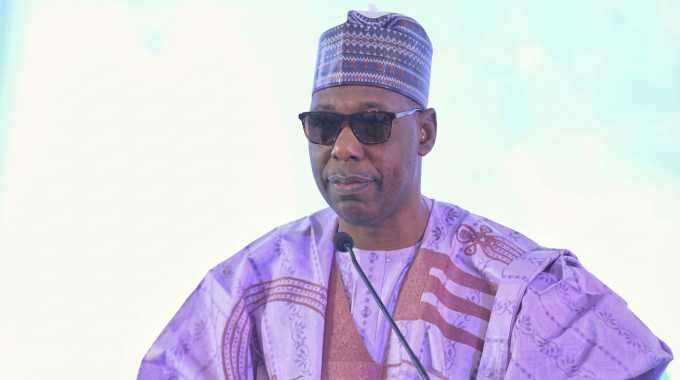
APC Will Sweep 2027 Elections, Says Zulum
Borno State Governor, Prof. Babagana Umara Zulum, has expressed confidence that the...
Politics
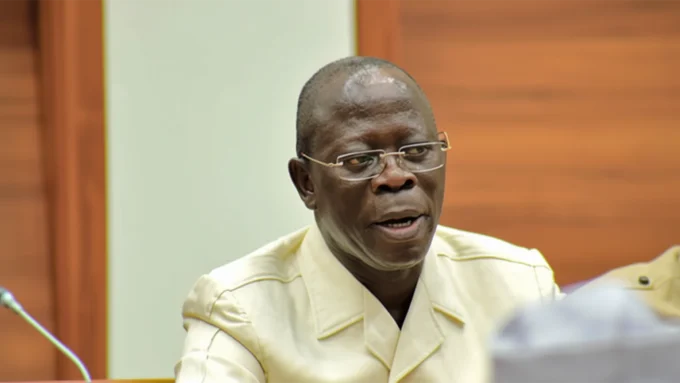
2027: Re-elected Edo APC Exco Endorse Tinubu, Okpebholo, Oshiomhole
The Edo State Executive Committee of the All Progressives Congress (APC), led...

Politics
Allegations Surface That City Boy Movement Prioritizes Power Over Genuine Change
A growing wave of criticism has emerged surrounding the “City Boy Movement,”...
Politics
ADC Alleges Selective Justice, Backs el-Rufai and Malami
The African Democratic Congress (ADC) has accused the Federal Government of applying...




Leave a comment