Allegations have surfaced of widespread financial irregularities involving “ghost vouchers” and questionable expenditures across key government ministries, departments, and agencies (MDAs) in Bauchi State, sparking calls for urgent accountability and audit.
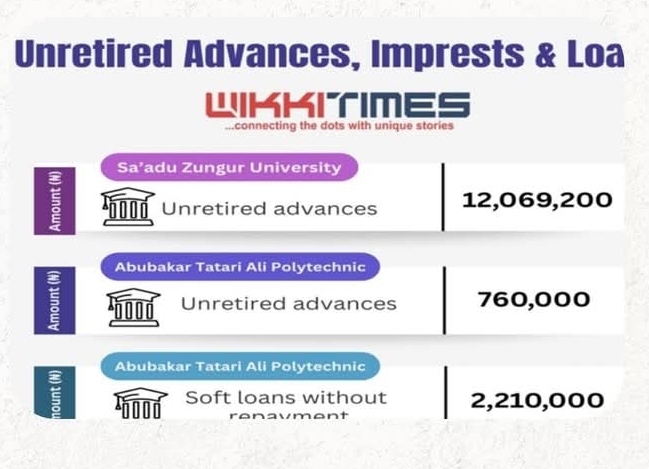
Documents circulating suggest that funds allocated to the Government House, Sa’adu Zungur University, Abubakar Tatari Ali Polytechnic (ATAP), and several key MDAs were spent without proper documentation or transparent justification. Some voucher payments appear inflated or unverified, raising concerns over possible mismanagement of public resources.
Among the issues raised is the claim that large sums originally budgeted for infrastructure and institutional development were diverted or poorly accounted for, leading to questions about oversight within the state’s financial management system. Residents and budget analysts argue that such irregularities undermine public trust in the stewardship of funds meant for education, governance, and public services.
The state government has not publicly addressed these “ghost voucher” claims, but recent efforts to uncover other forms of financial malpractice, such as ghost workers in the health sector, indicate ongoing attempts to improve accountability in payroll and public spending.
Observers say that if these voucher allegations are credible, they could point to systemic weaknesses in procurement, payment authorisation, and budget monitoring across several important state institutions. They are urging the state government to order a comprehensive forensic audit and make its findings public to identify any misuse of funds and hold perpetrators responsible.
In the meantime, students, staff, and civil society groups are calling for stronger financial controls and transparency measures to prevent future abuses and ensure that government allocations result in tangible benefits for the people of Bauchi State.

Featured
 News MasterUpdated 2 months Ago1 Mins read
Allegations of “Ghost Vouchers” and Spending Irregularities Rock Bauchi State Ministries and Institutions
News MasterUpdated 2 months Ago1 Mins read
Share





Related Articles
Featured
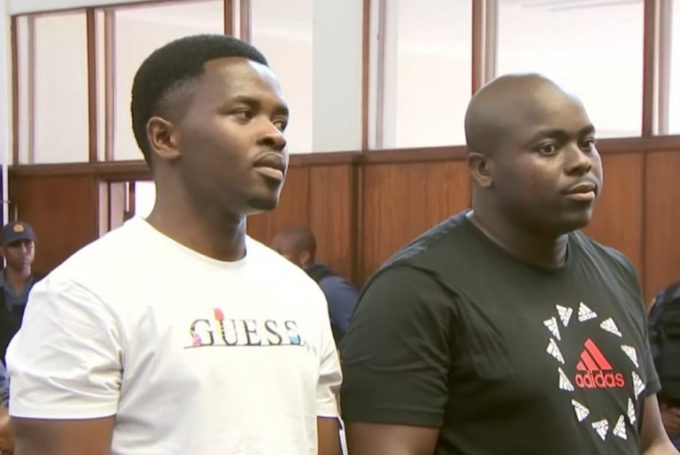
Ndimande Brothers to Seek Bail in AKA Murder Case
Siyabonga and Malusi Ndimande, accused of orchestrating the murders of rapper Kiernan...
Featured
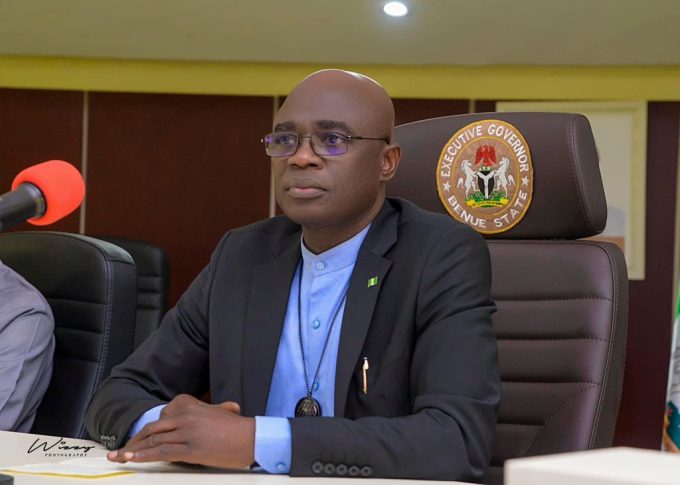
Governor Alia Pledges to Restore Peace to Benue’s Sankera Region Amid Rising Tensions
Benue State Governor, Hyacinth Alia, has reassured residents of the Sankera region...
Featured
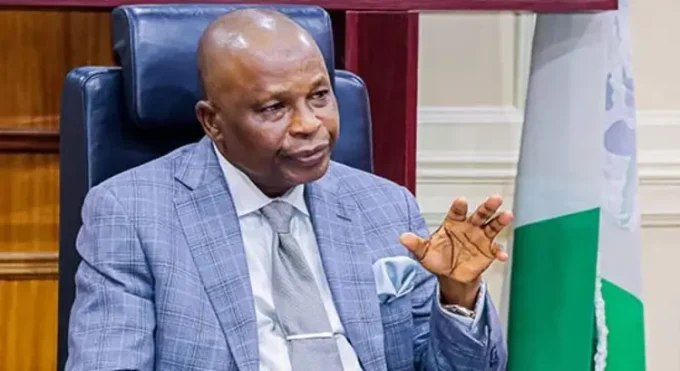
Attorney General of the Federation, Fagbemi, Takes Charge of Malami’s Prosecution, Promises Unbiased Legal Process
The Attorney General of the Federation (AGF), Abubakar Fagbemi, has officially taken...
Featured
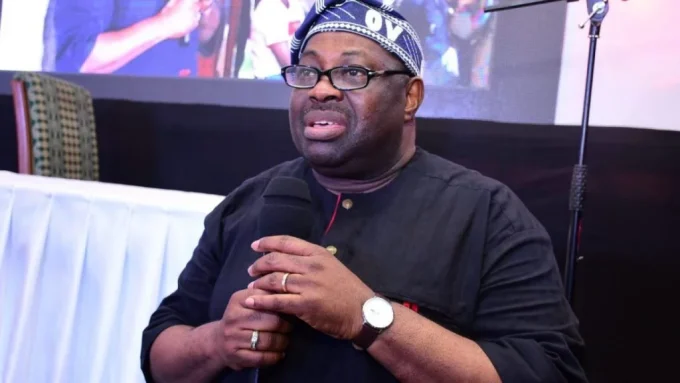
Dele Momodu Criticizes Government’s Rising Debt, Says Tinubu Administration Has Borrowed More Than All Previous Governments Combined
In a recent statement, renowned Nigerian journalist and public figure, Dele Momodu,...




Leave a comment