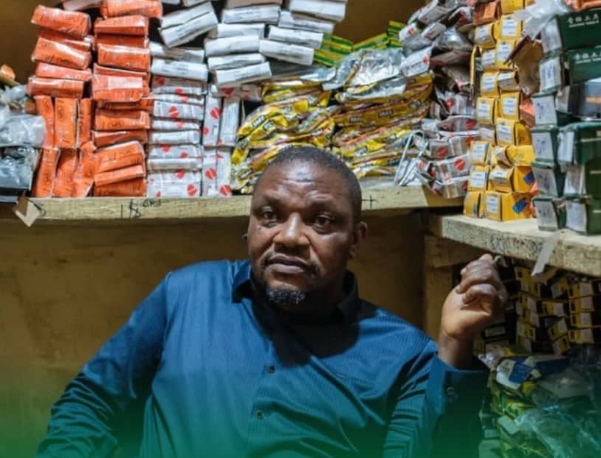
A tool merchant based in Onitsha, Anambra State, Emeka Umeagbalasi, has unexpectedly emerged as a significant influence on United States policy discussions concerning Nigeria’s security challenges.
Umeagbalasi, who trades in items such as screwdrivers and wrenches, has for years produced self-published reports alleging a systematic genocide against Christians in Nigeria. Despite his non-academic background, these reports have gained traction among influential political figures in the United States.
Findings by Okay News indicate that Umeagbalasi’s data was cited by prominent Republican lawmakers, including Senator Ted Cruz, and reportedly contributed to former US President Donald Trump’s decision to approve airstrikes in Nigeria on Christmas Day.
While Umeagbalasi has described the attention from senior US officials as validation of his advocacy, his work has drawn criticism from journalists, analysts and international observers, who have raised concerns about the credibility of the information informing such high-level decisions.
Investigations into his methodology show that much of his data is compiled from secondary sources, including online searches and media reports, rather than independent field research. Umeagbalasi has also acknowledged categorising victims as Christians largely based on their location.
Security experts argue that this approach is deeply flawed, noting that violence in many affected areas cuts across religious lines and often claims the lives of both Muslims and Christians, making simplistic classifications misleading.
The controversy has reignited debate over the quality of intelligence relied upon in shaping foreign policy and military actions, particularly in complex conflict environments such as Nigeria.
Business
 News MasterUpdated 2 months Ago1 Mins read
How Onitsha Trader’s ‘Christian Genocide’ Claims Shaped US Airstrikes on Nigeria
News MasterUpdated 2 months Ago1 Mins read
Share


Related Articles
Business
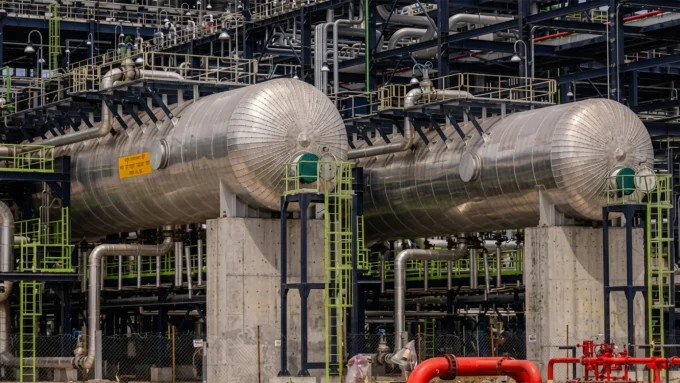
Petrol price may climb to N1,400/litre as Dangote refinery loading uncertainty fuels market concerns
Petrol prices in Nigeria could rise to around N1,400 per litre this...
Business
NELFUND Expands Support, Helping Students Nationwide Access Higher Education
The Nigerian Education Loan Fund (NELFUND) has expanded its reach, providing financial...
Business
Nigeria Seeks Overseas Oil Supplies to Stabilize Petrol Prices
Nigeria’s state‑owned oil company is moving to secure crude oil from foreign...
Business
Ramadan: Kano Government Distributes Aliko Dangote’s Food Palliatives to Vulnerable Residents
Hundreds of vulnerable residents in Kano, including street beggars and less privileged...


Leave a comment