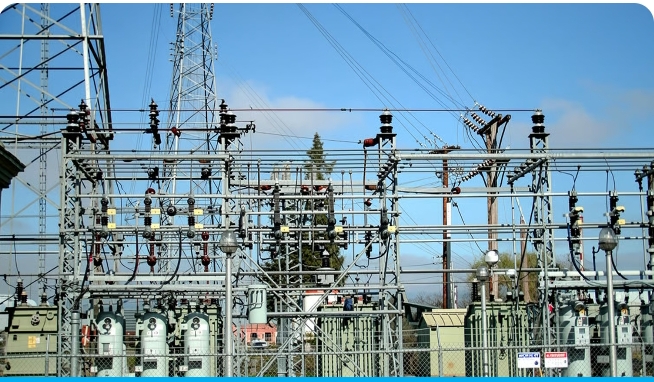
Nigeria’s electricity grid collapsed on Friday afternoon, plunging the country into a nationwide blackout after power generation and load allocation dropped to zero across all electricity distribution companies.
Data from the Nigerian Independent System Operator showed that the system failure occurred at about 1:00 p.m., when electricity supply to all distribution companies fell to zero. Power generation reportedly crashed to zero megawatts, resulting in a complete shutdown of the national grid.
A review of the national load profile confirmed that all electricity distribution companies, Abuja, Eko, Benin, Enugu, Ibadan, Ikeja, Jos, Kano, Kaduna, Port Harcourt and Yola, recorded zero load at the time, underscoring the nationwide nature of the outage.
The collapse came despite strong electricity demand recorded earlier in the day, particularly in major urban centres. Prior to the system failure, the Abuja Electricity Distribution Company (AEDC) was receiving about 639 megawatts, while Ikeja Electric had been allocated approximately 630 megawatts.
Further checks later in the afternoon revealed that electricity generation plunged sharply from over 4,500 megawatts to as low as 24 megawatts by around 1:30 p.m.
All 23 power generation plants connected to the national grid reportedly lost output during the incident, leaving the 11 distribution companies without power allocation.
As of the time of filing this report, the Transmission Company of Nigeria (TCN), which manages the national grid, had yet to announce the cause of the collapse. Although restoration efforts were said to be underway, there was no clear timeline for full recovery. Efforts to reach TCN officials for immediate comments were unsuccessful.
The incident represents the first recorded collapse of Nigeria’s national power grid in 2026. It comes just weeks after a similar system failure on December 29, 2025, which also caused widespread blackouts across the country.
In recent years, repeated grid collapses have been linked to technical faults, poor maintenance of transmission infrastructure and instability in generation capacity. Stakeholders continue to call on the government and power sector operators to strengthen system resilience and implement effective contingency measures to prevent recurring failures.

National
 News MasterUpdated 4 hours Ago1 Mins read
Nigeria’s Power Grid Collapses Again, Triggers Nationwide Blackout
News MasterUpdated 4 hours Ago1 Mins read
Share






Related Articles
National
Obi Condemns Fresh National Grid Collapse, Says Nigeria’s Power Output Alarmingly Low
Former Labour Party presidential candidate, Peter Obi, has criticised the latest collapse...
National
Stay Alert in Public Places, Defence Headquarters Urges Nigerians
The Defence Headquarters (DHQ) has advised Nigerians to remain vigilant in crowded...

National
Tinubu Reaffirms Fubara as APC Leader in Rivers
President Bola Tinubu has restated that Rivers State Governor, Siminalayi Fubara, remains...

National
Tinubu approves posting of four ambassador-designates
President Bola Tinubu has approved the posting of four ambassador-designates from the...




Leave a comment