I was already a mother of three when I went for my 10-week ultrasound in 2019. Everything felt routine at first – the gel on my stomach, the familiar flicker of black-and-white images on the screen. Then I noticed the sonographer’s expression change.
She suddenly dropped the probe and rushed out of the room. I tried not to panic, but when she returned moments later with a doctor who stared at the screen and whispered, “Oh my goodness,” fear took over.
Although I now live in California, I was born in Ukraine and English is my second language. When they told me, “It looks like you’re carrying conjoined twins,” I didn’t fully grasp what that meant. It was only after I sat in my car and searched the term online that the reality hit me.
I called my husband, Anatoliy, crying uncontrollably. He promised to come home immediately. As I drove, my emotions swung wildly – from believing I would need to terminate the pregnancy, to completely denying what was happening. I felt like I was losing my mind. Then, while stopped at a red light, an unexpected calm washed over me. It felt like a sign from God.
When Anatoliy arrived, worried but resolute, he held me and said, “These are our children, and we already love them.” I told him I had decided to take things one day at a time.
A few days later, doctors confirmed that our babies were craniopagus twins – conjoined at the head – an extremely rare condition occurring in about one in 2.5 million births. We were told their chances of surviving to delivery were very slim. Still, as I remembered the tiny faces I had seen on the screen, I refused to lose hope.
Despite constant medical appointments, I tried to live as normally as possible. I met friends for meals and attended baby showers. That sense of normalcy helped keep fear at bay.
Four months later, we received hopeful news. An MRI scan showed there was a real possibility the girls could one day be separated. We felt relieved, but cautious, knowing the road ahead would still be difficult.
More than 200 medical professionals prepared for my delivery. One baby would be cared for by “Team Orange,” the other by “Team Purple,” each made up of neurologists, cardiologists and plastic surgeons.
My water broke early, and I was rushed to hospital. Everything felt overwhelming. I remember asking people to pray for me, then slipping into a medicated haze as my daughters were taken straight to intensive care.
When I finally saw them the next day, my only thought was: they are perfect. We named them Abigail and Micaela. Holding them, I felt an overwhelming wave of love.
Caring for them required creativity and instinct. Bathing meant using a clear plastic box instead of a regular tub, and everyday tasks took extra effort. But to me, they were simply my girls. They already had distinct personalities – Abigail was alert and curious, while Micaela was calm and gentle. Every milestone, from smiles to babbling, felt extraordinary.
In October 2020, when they were 10 months old, the girls underwent a daunting 24-hour separation surgery involving 30 specialists. Because of Covid-19 restrictions, we couldn’t wait at the hospital. Instead, we received updates by text. When the message finally came that the surgery was successful, I was so overwhelmed with relief I could barely breathe.
When I ran into the hospital and saw them separated for the first time, I sobbed with joy. They could turn and look at each other face to face. It was a moment most parents of twins might take for granted – but for me, it was nothing short of a miracle.
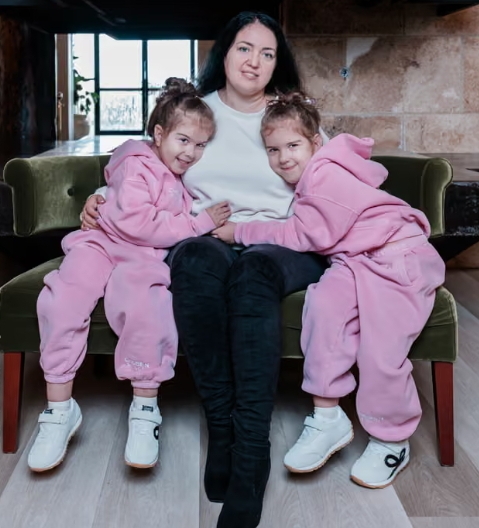
That sense of wonder has never left me. Today, six-year-old Abigail runs ahead confidently while Micaela follows more carefully. I listen to their private twin chatter, watch how deeply they are loved by their brothers, and marvel at their existence. At five, they were able to look at their baby photos and understand who was Abigail and who was Micaela – a moment that felt just as miraculous.
This journey revealed a strength I never knew I had, and taught me the power of living in the present. Today, my daughters are here – and that is enough.

Health
 News MasterUpdated 2 months Ago3 Mins read
My Daughters Were Born Conjoined at the Head – Seeing Them Separated Felt Like a Miracle
News MasterUpdated 2 months Ago3 Mins read
Share





Related Articles
Health
Spike in Glaucoma Cases Prompts Abia Government to Warn Against Quack Eye Doctors
The Abia State Government has reported a worrying increase in glaucoma cases,...
Health
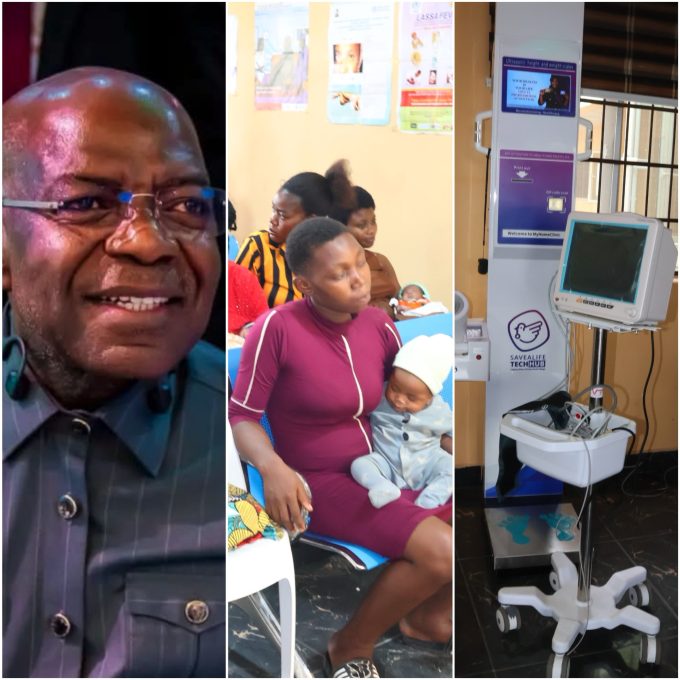
Excitement as Otti’s Digital Health Centres Connect Villagers to Doctors Worldwide
Universal Health Coverage remains a critical objective under the United Nations Sustainable...
Health
New Diagnostic Centre Poised to Transform Healthcare in Ekiti
Ekiti State’s healthcare sector is set for a major upgrade following the...
Health
World Kidney Day: Rising dialysis, transplant costs worsen burden for patients and caregivers
As the world observes World Kidney Day, concerns are mounting in Nigeria...




Leave a comment