President Bola Tinubu has signed the Electoral Act 2026 (Amendment) Bill into law, establishing the legal framework for the 2027 general elections. The signing comes just days after the Independent National Electoral Commission (INEC) released the official timetable for the polls.
The brief ceremony took place at about 5:00 p.m. on Wednesday at the State House in Abuja, in the presence of principal officers of the National Assembly and senior government officials.
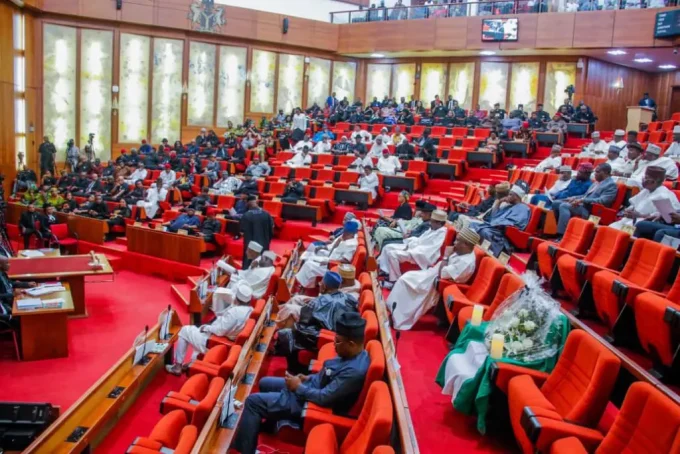
The amendment bill was passed by both chambers of the National Assembly on Tuesday after weeks of legislative deliberations and stakeholder consultations on proposed electoral reforms.
The revised law is expected to introduce measures aimed at enhancing transparency, strengthening election logistics and addressing operational shortcomings observed in previous electoral cycles.
The President’s assent follows intense national debate over the electronic transmission of election results, a subject that has remained highly contentious in Nigeria’s electoral discourse.
In recent weeks, civil society organisations, opposition parties and pro-democracy groups have stepped up calls for mandatory real-time electronic transmission of results directly from polling units to INEC’s central server. Last week, protesters gathered at the National Assembly complex in Abuja, urging lawmakers to make live electronic result transmission a compulsory provision in the amended law.
Advocates argue that immediate electronic uploads would reduce the risk of manipulation during collation, improve transparency and restore public confidence in electoral outcomes.
However, the proposal has faced opposition from the ruling All Progressives Congress (APC) and some electoral stakeholders, who warn that inconsistent telecommunications coverage across the country could hinder full digital implementation. They have instead recommended a phased or hybrid approach that allows manual collation in areas with limited network infrastructure, while enabling electronic transmission where feasible.
Political observers say the early conclusion of the amendment process gives INEC ample time to adjust its guidelines, deploy necessary technology and intensify voter education ahead of the 2027 elections.
Analysts also suggest that clarifying the legal framework well in advance of the polls could help minimise pre-election disputes and provide clearer direction for political parties and aspirants.
Further details of the specific amendments contained in the Act are expected to be made public by the Presidency and the National Assembly in the coming days.

National
 News MasterUpdated 2 hours Ago1 Mins read
Tinubu Signs Electoral Act Amendment Bill 2026 Into Law
News MasterUpdated 2 hours Ago1 Mins read

Share





Related Articles

National
Ogun Pensioners Threaten Protest Over Unimplemented Pension Increase
The Nigeria Union of Pensioners (NUP), Ogun State Chapter, has threatened to...

National
HURIWA Condemns Legal Action Against Interior Minister Tunji-Ojo
The Human Rights Writers Association of Nigeria (HURIWA) has criticised recent legal...

National
FG Launches “Nigeria Beyond Oil and Gas” Alliance to Drive Economic Diversification
The Federal Government has unveiled the Nigeria Beyond Oil and Gas Alliance...

National
Tinubu Commissions Projects in Adamawa, Urges Governors to Prioritize Citizens’ Welfare
President Bola Tinubu on Monday urged state governors to prioritize the welfare...



Leave a comment